The key points are temporarily unavailable. You can still read the full Story below.
Main Points
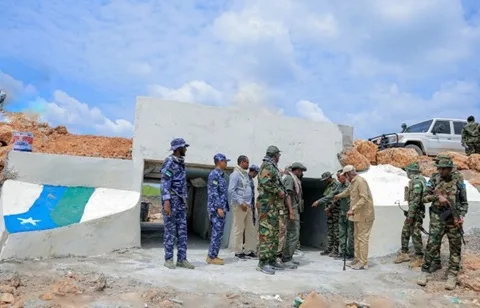
Kismayo, Somalia — Jubaland President Ahmed Mohamed Islam, also known as Ahmed Madobe, recently inspected the construction of a 120-kilometre road connecting Kismayo and Afmadow. The infrastructure project is being financed through local contributions and community-led initiatives, marking a departure from the traditional reliance on international donor funding for development in Somalia. During his site visit, President Madobe commended the residents living along the route for their financial and logistical support of the project. He characterized the initiative as a demonstration of the commitment of both the Jubaland administration and its citizens to improving public infrastructure through collective responsibility. The project is viewed as a significant effort to address the long-standing culture of donor dependency in Somalia, where regional development has historically been dictated by the pace of international aid. By mobilizing domestic resources, the Jubaland government aims to prioritize infrastructure needs based on local urgency rather than external funding cycles. Proponents of the project suggest that if successfully completed, the road could serve as a model for other Somali federal member states, proving that regional administrations can deliver essential infrastructure in resource-constrained environments. In addition to the road inspection, President Madobe visited the areas of Miido, Harboole, and Biibi in the Lower Juba region. Accompanied by the commander-in-chief of the Jubaland Darwish forces, General Ismail Sahardiid, and other senior military officials, the President reviewed the status of local security forces. The dual focus on infrastructure and security reflects the administration's strategy of linking physical connectivity with regional stability. Officials noted that while the road is intended to facilitate trade and improve mobility for isolated communities, the presence of security forces is considered essential to maintaining the stability required for sustained economic development. Article source: WardheerNews | Image credit: WardheerNews
Kismayo, Somalia — Jubaland President Ahmed Mohamed Islam, also known as Ahmed Madobe, recently inspected the construction of a 120-kilometre road connecting Kismayo and Afmadow. The infrastructure project is being financed through local contributions and community-led initiatives, marking a departure from the traditional reliance on international donor funding for development in Somalia. During his site visit, President Madobe commended the residents living along the route for their financial and logistical support of the project. He characterized the initiative as a demonstration of the commitment of both the Jubaland administration and its citizens to improving public infrastructure through collective responsibility. The project is viewed as a significant effort to address the long-standing culture of donor dependency in Somalia, where regional development has historically been dictated by the pace of international aid. By mobilizing domestic resources, the Jubaland government aims to prioritize infrastructure needs based on local urgency rather than external funding cycles. Proponents of the project suggest that if successfully completed, the road could serve as a model for other Somali federal member states, proving that regional administrations can deliver essential infrastructure in resource-constrained environments. In addition to the road inspection, President Madobe visited the areas of Miido, Harboole, and Biibi in the Lower Juba region. Accompanied by the commander-in-chief of the Jubaland Darwish forces, General Ismail Sahardiid, and other senior military officials, the President reviewed the status of local security forces. The dual focus on infrastructure and security reflects the administration’s strategy of linking physical connectivity with regional stability. Officials noted that while the road is intended to facilitate trade and improve mobility for isolated communities, the presence of security forces is considered essential to maintaining the stability required for sustained economic development.
News Desk is the editorial publishing account for Tringlobe Media News, covering breaking news, public affairs, entertainment, community developments and regional stories across Trinidad and Tobago, the Caribbean and internationally.