The key points are temporarily unavailable. You can still read the full Story below.
Main Points
**Middle East Eye Opinion Piece Highlights U.S.–Iran Tensions and Calls for Diplomatic Shift** *Washington, D.C., 1 September 2026* – In an opinion article published on the Middle East Eye website, former Iranian diplomat Seyed Hossein Mousavian argues that President Donald Trump faces a pivotal decision in the ongoing U.S.–Iran conflict. Mousavian contends that the United States must move beyond its current “maximum‑pressure” strategy and consider a comprehensive diplomatic settlement based on the “Islamabad memorandum” signed earlier this year. **Recent diplomatic activity** Mousavian notes a series of high‑level diplomatic overtures aimed at reviving U.S.–Iran talks. In August, Pakistan’s army chief, Field Marshal Asim Munir, visited Tehran, followed by the foreign ministers of Oman and Qatar. According to Iranian officials, the three mediators conveyed Tehran’s request that Washington return to the Islamabad memorandum – an agreement reached in June between President Trump and Iranian counterpart Masoud Pezeshkian – as a foundation for broader regional negotiations. **Escalation of hostilities** The article reports that, despite the diplomatic outreach, the United States rejected the proposal to revert to the Islamabad agreement and resumed military actions. On 24 August, U.S. forces struck rocket launchers on Larak Island in the Strait of Hormuz. In response, Iran launched missile attacks on U.S. bases in Jordan. Mousavian describes the exchange as evidence that the United States remains “more committed to coercion than diplomacy.” **U.S. policy and statements** Mousavian references remarks by U.S. Treasury Secretary Scott Bessent, who, in a recent briefing, said, “We are going to collapse this regime. It is time for our allies and the rest of the world to make a decision. You are either with us or against us.” The author interprets the statement as an indication that Washington is pursuing an “Economic D‑Day” – a comprehensive financial and commercial embargo intended to compel Tehran to accept U.S. terms. **Iranian perspective** According to Mousavian, Iranian strategists view the current confrontation as an “existential war” that could reshape the regional order. He cites an unnamed Iranian strategist who believes Iran’s leadership now seeks to resolve the conflict definitively rather than endure prolonged sanctions and intermittent crises. The article points to the backgrounds of senior Iranian officials – including Supreme Leader Ali Khamenei’s generation, parliament speaker Mohammad Bagher Ghalibaf, and Supreme National Security Council secretary Mohsen Rezaei – as influencing Tehran’s strategic calculations. **Proposed diplomatic framework** Mousavian proposes two focal points for a potential settlement: 1. **Strait of Hormuz security** – A multilateral maritime arrangement involving the United States, Iran, Oman and Gulf Arab states to guarantee freedom of navigation and reduce the waterway’s flashpoint status. 2. **Nuclear issue** – A bilateral treaty in which Iran would permanently renounce nuclear weapons while retaining rights to peaceful nuclear technology under the Non‑Proliferation Treaty, and the United States would lift nuclear‑related sanctions. Mousavian suggests that ratification by both the U.S. Congress and the Iranian parliament would provide durability. He further argues that a broader regional security framework could reduce tensions between Iran and Israel, shifting from “permanent deterrence by crisis” to “stable deterrence by agreement.” **Context and background** The article references the United States’ 2025 withdrawal from the 2015 Iran nuclear deal (the Joint Comprehensive Plan of Action) and frames the Islamabad memorandum as President Trump’s own diplomatic legacy. Mousavian warns that abandoning the agreement could signal the end of the U.S. “Iran playbook.” **Editorial disclaimer** The piece is an opinion editorial; the views expressed belong to the author and do not necessarily reflect the editorial stance of Middle East Eye. The publication continues to provide independent coverage and analysis of Middle Eastern affairs. Article and image source: middleeasteye.net
**Middle East Eye Opinion Piece Highlights U.S.–Iran Tensions and Calls for Diplomatic Shift**
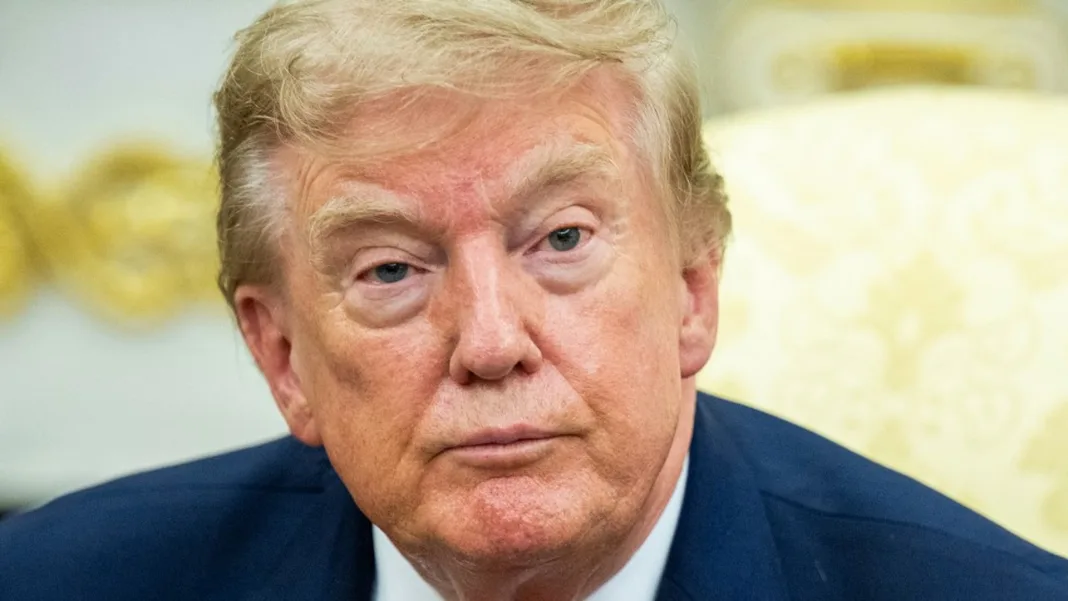
*Washington, D.C., 1 September 2026* – In an opinion article published on the Middle East Eye website, former Iranian diplomat Seyed Hossein Mousavian argues that President Donald Trump faces a pivotal decision in the ongoing U.S.–Iran conflict. Mousavian contends that the United States must move beyond its current “maximum‑pressure” strategy and consider a comprehensive diplomatic settlement based on the “Islamabad memorandum” signed earlier this year.
**Recent diplomatic activity**
Mousavian notes a series of high‑level diplomatic overtures aimed at reviving U.S.–Iran talks. In August, Pakistan’s army chief, Field Marshal Asim Munir, visited Tehran, followed by the foreign ministers of Oman and Qatar. According to Iranian officials, the three mediators conveyed Tehran’s request that Washington return to the Islamabad memorandum – an agreement reached in June between President Trump and Iranian counterpart Masoud Pezeshkian – as a foundation for broader regional negotiations.
**Escalation of hostilities**
The article reports that, despite the diplomatic outreach, the United States rejected the proposal to revert to the Islamabad agreement and resumed military actions. On 24 August, U.S. forces struck rocket launchers on Larak Island in the Strait of Hormuz. In response, Iran launched missile attacks on U.S. bases in Jordan. Mousavian describes the exchange as evidence that the United States remains “more committed to coercion than diplomacy.”
**U.S. policy and statements**
Mousavian references remarks by U.S. Treasury Secretary Scott Bessent, who, in a recent briefing, said, “We are going to collapse this regime. It is time for our allies and the rest of the world to make a decision. You are either with us or against us.” The author interprets the statement as an indication that Washington is pursuing an “Economic D‑Day” – a comprehensive financial and commercial embargo intended to compel Tehran to accept U.S. terms.
**Iranian perspective**
According to Mousavian, Iranian strategists view the current confrontation as an “existential war” that could reshape the regional order. He cites an unnamed Iranian strategist who believes Iran’s leadership now seeks to resolve the conflict definitively rather than endure prolonged sanctions and intermittent crises. The article points to the backgrounds of senior Iranian officials – including Supreme Leader Ali Khamenei’s generation, parliament speaker Mohammad Bagher Ghalibaf, and Supreme National Security Council secretary Mohsen Rezaei – as influencing Tehran’s strategic calculations.
**Proposed diplomatic framework**
Mousavian proposes two focal points for a potential settlement:
1. **Strait of Hormuz security** – A multilateral maritime arrangement involving the United States, Iran, Oman and Gulf Arab states to guarantee freedom of navigation and reduce the waterway’s flashpoint status.
2. **Nuclear issue** – A bilateral treaty in which Iran would permanently renounce nuclear weapons while retaining rights to peaceful nuclear technology under the Non‑Proliferation Treaty, and the United States would lift nuclear‑related sanctions. Mousavian suggests that ratification by both the U.S. Congress and the Iranian parliament would provide durability.
He further argues that a broader regional security framework could reduce tensions between Iran and Israel, shifting from “permanent deterrence by crisis” to “stable deterrence by agreement.”
**Context and background**
The article references the United States’ 2025 withdrawal from the 2015 Iran nuclear deal (the Joint Comprehensive Plan of Action) and frames the Islamabad memorandum as President Trump’s own diplomatic legacy. Mousavian warns that abandoning the agreement could signal the end of the U.S. “Iran playbook.”
**Editorial disclaimer**
The piece is an opinion editorial; the views expressed belong to the author and do not necessarily reflect the editorial stance of Middle East Eye. The publication continues to provide independent coverage and analysis of Middle Eastern affairs.
News Desk is the editorial publishing account for Tringlobe Media News, covering breaking news, public affairs, entertainment, community developments and regional stories across Trinidad and Tobago, the Caribbean and internationally.