The key points are temporarily unavailable. You can still read the full Story below.
Main Points
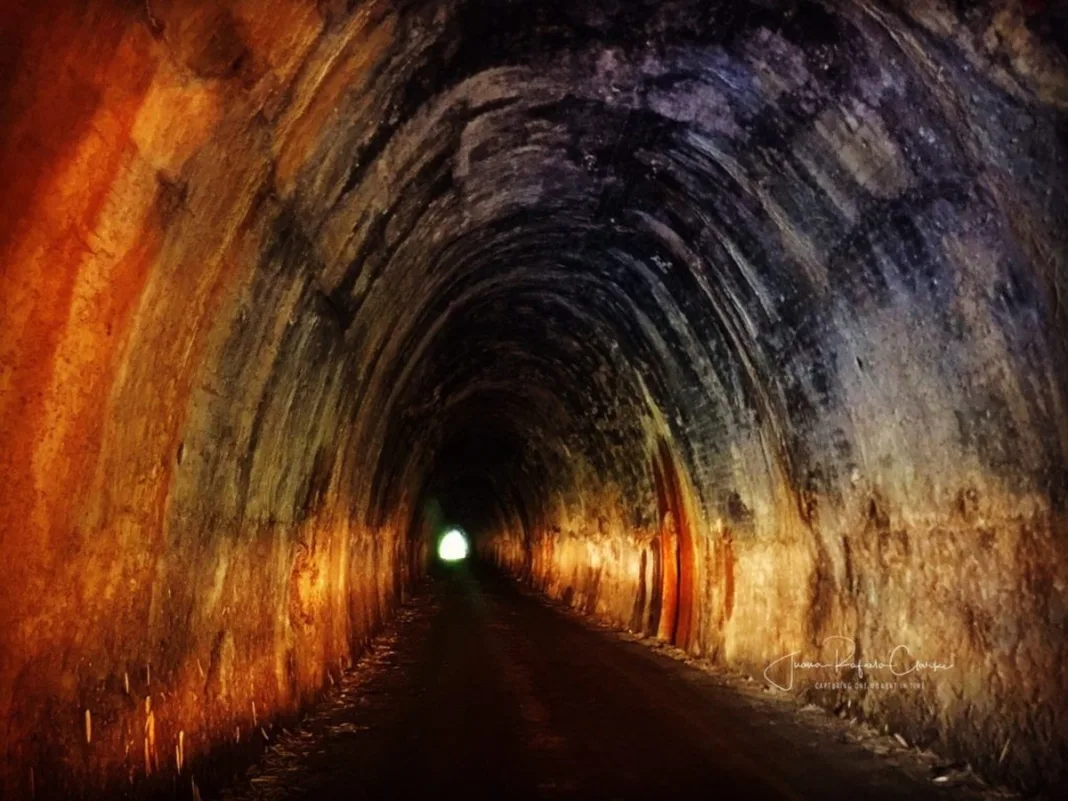
Hidden in the Tabaquite area is a surviving piece of infrastructure from a time when railways were expected to transform Trinidad’s interior. Knollys Tunnel, a 660-foot passage driven beneath part of the Central Range, was one of the most demanding engineering works undertaken by the Trinidad Government Railway and became a crucial link in the line that opened the Caparo Valley to rail traffic.
The National Trust of Trinidad and Tobago records that work on the extension from Jerningham Junction to Tabaquite began on 26 March 1896. Colonial planners wanted the railway to encourage settlement, improve access to fertile Crown lands and give farmers in the interior a practical route to move people and produce. The line was seen as a long-term investment even though officials did not expect it to be immediately profitable.
Reaching Tabaquite presented the hardest problem. Engineers needed to cut a tunnel under the hills, with its centre reaching the highest elevation on the railway system at the time. Construction of the tunnel began on 26 November 1896 under chief resident engineer H. Oliver. The heading was completed on 18 May 1897, and the last stone was laid on 11 March 1898. The tunnel ultimately cost £12,821, considerably more than its original £8,000 estimate.
The railway reached Tabaquite in August 1898. On 20 August, acting colonial governor Sir Clement Courtenay Knollys officially opened the extension through the tunnel. His name became attached to the structure, which thereafter was known as Knollys Tunnel. The completed link connected communities along the Caparo Valley line with the wider Trinidad Government Railway network, giving agricultural districts a new route for passengers, crops and supplies.
The railway did not stop at Tabaquite. Construction later pushed farther south-east, and the extension to Rio Claro opened in 1914. The National Trust notes that the line eventually benefited from the expansion of cocoa and other agriculture, as well as growing passenger traffic. Ironically, the railway also helped move materials used to improve roads. Better roads and the spread of motor vehicles from the 1920s created competition that gradually weakened the railway’s position.
Knollys Tunnel survived after the railway era faded, leaving a rare physical reminder of the ambitions that shaped central Trinidad more than a century ago. Today it is recognised as a national heritage site.
Its significance is not only architectural. The tunnel tells a larger story about how transport altered settlement, farming and movement across the island. What now appears to be a quiet opening through a hillside was once a symbol of modern infrastructure, carrying trains into communities that colonial planners had struggled to reach by road.