The key points are temporarily unavailable. You can still read the full Story below.
Main Points
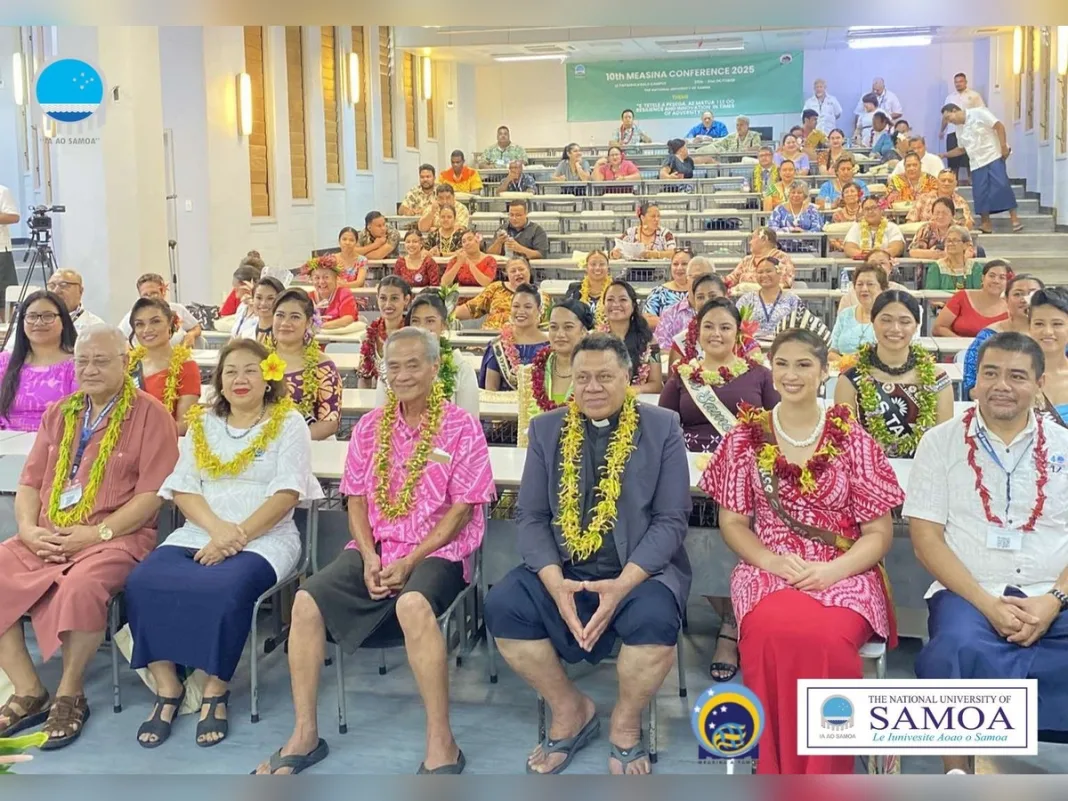
Architecture, tools, food remains and village landmarks can all hold evidence of earlier lives. At the National University of Samoa, the Archaeology and Cultural Heritage programme teaches students how to investigate that evidence and connect it with the heritage of living communities. The university describes archaeology as the study of the human past through material remains. Its questions extend beyond identifying objects: researchers examine what people ate, whom they interacted with, and how they adapted to and changed their surroundings. The programme brings that approach together with anthropology, Samoan language, and other social and natural sciences. Cultural heritage work, in the university’s description, involves preserving, conserving and managing the heritage of communities. Practical teaching includes excavation, mapping and surveying. Students also learn to record oral traditions, cultural sites and important village landmarks, with community participation forming part of heritage management. The subjects connect physical evidence with questions about Samoan and Polynesian origins. Teaching also examines how early missionaries and European visitors recorded Samoan history, culture and customs. Those written accounts sit alongside other ways of investigating the past. The university identifies several possible applications for these skills, including archaeological fieldwork, museums, environmental management, development-related cultural resource projects and teaching. Research, documentation and report writing are also part of the training. The programme’s distinctive connection is between investigation and stewardship. Learning to document a site or an oral tradition is presented as preparation for working with communities and government departments to protect the evidence through which Samoa’s past can be understood.
Architecture, tools, food remains and village landmarks can all hold evidence of earlier lives. At the National University of Samoa, the Archaeology and Cultural Heritage programme teaches students how to investigate that evidence and connect it with the heritage of living communities. The university describes archaeology as the study of the human past through material remains. Its questions extend beyond identifying objects: researchers examine what people ate, whom they interacted with, and how they adapted to and changed their surroundings. The programme brings that approach together with anthropology, Samoan language, and other social and natural sciences. Cultural heritage work, in the university’s description, involves preserving, conserving and managing the heritage of communities. Practical teaching includes excavation, mapping and surveying. Students also learn to record oral traditions, cultural sites and important village landmarks, with community participation forming part of heritage management. The subjects connect physical evidence with questions about Samoan and Polynesian origins. Teaching also examines how early missionaries and European visitors recorded Samoan history, culture and customs. Those written accounts sit alongside other ways of investigating the past. The university identifies several possible applications for these skills, including archaeological fieldwork, museums, environmental management, development-related cultural resource projects and teaching. Research, documentation and report writing are also part of the training. The programme’s distinctive connection is between investigation and stewardship. Learning to document a site or an oral tradition is presented as preparation for working with communities and government departments to protect the evidence through which Samoa’s past can be understood.
News Desk is the editorial publishing account for Tringlobe Media News, covering breaking news, public affairs, entertainment, community developments and regional stories across Trinidad and Tobago, the Caribbean and internationally.