The key points are temporarily unavailable. You can still read the full Story below.
Main Points
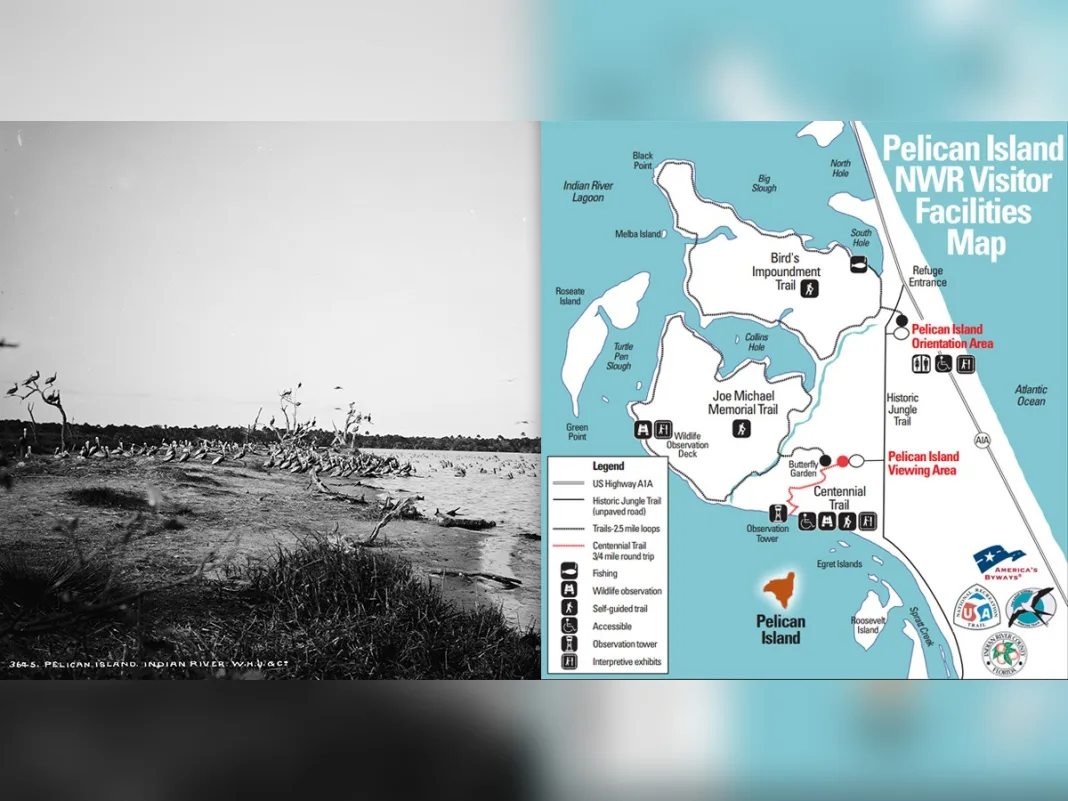
America’s National Wildlife Refuge System traces its beginnings to a Florida island and the efforts of citizen conservationists, notably Paul Kroegel. According to the U.S. Fish and Wildlife Service’s historical timeline, President Theodore Roosevelt established what would become Pelican Island National Wildlife Refuge at their urging. The island, on ancestral lands of the Miccosukee Tribe, became the first unit of the future refuge system and the first of 53 wildlife sanctuaries Roosevelt established as president. The agency places that decision within a broader shift in public attitudes. By the middle of the nineteenth century, Americans were beginning to recognize that unrestricted killing for food, fashion and commerce was destroying wildlife resources. Public lands dedicated to wildlife conservation emerged as part of the response. The timeline also shows that early conservation involved moving animals as well as protecting places. Under director William T. Hornaday, the New York Zoological Society shipped 15 bison—six bulls and nine cows—to Oklahoma’s Wichita Forest Reserve and Game Preserve. The preserve was a predecessor of today’s Wichita Mountains Wildlife Refuge. The Fish and Wildlife Service describes that transfer as an important milestone in efforts to save animals from extinction. It also identifies the preserve’s connections to the Wichita people and, later, the Kiowa and Comanche tribes. These accounts place Indigenous homelands alongside the federal actions that shaped the refuge system. Pelican Island’s story is therefore more than an institutional first: it connects citizen advocacy, presidential action and land with a history that preceded federal protection. The lasting thread is the recognition that wildlife needed places dedicated to its conservation. At Pelican Island, that idea became the starting point for a national refuge system.
America’s National Wildlife Refuge System traces its beginnings to a Florida island and the efforts of citizen conservationists, notably Paul Kroegel. According to the U.S. Fish and Wildlife Service’s historical timeline, President Theodore Roosevelt established what would become Pelican Island National Wildlife Refuge at their urging. The island, on ancestral lands of the Miccosukee Tribe, became the first unit of the future refuge system and the first of 53 wildlife sanctuaries Roosevelt established as president. The agency places that decision within a broader shift in public attitudes. By the middle of the nineteenth century, Americans were beginning to recognize that unrestricted killing for food, fashion and commerce was destroying wildlife resources. Public lands dedicated to wildlife conservation emerged as part of the response. The timeline also shows that early conservation involved moving animals as well as protecting places. Under director William T. Hornaday, the New York Zoological Society shipped 15 bison—six bulls and nine cows—to Oklahoma’s Wichita Forest Reserve and Game Preserve. The preserve was a predecessor of today’s Wichita Mountains Wildlife Refuge. The Fish and Wildlife Service describes that transfer as an important milestone in efforts to save animals from extinction. It also identifies the preserve’s connections to the Wichita people and, later, the Kiowa and Comanche tribes. These accounts place Indigenous homelands alongside the federal actions that shaped the refuge system. Pelican Island’s story is therefore more than an institutional first: it connects citizen advocacy, presidential action and land with a history that preceded federal protection. The lasting thread is the recognition that wildlife needed places dedicated to its conservation. At Pelican Island, that idea became the starting point for a national refuge system.
News Desk is the editorial publishing account for Tringlobe Media News, covering breaking news, public affairs, entertainment, community developments and regional stories across Trinidad and Tobago, the Caribbean and internationally.