The key points are temporarily unavailable. You can still read the full Story below.
Main Points
New research reveals that the governments of Mali and Burundi are using a common tactic to stay in power: blaming an external enemy. The study, conducted by Alène Ngarura Kaneza of the Université Libre de Bruxelles, examines how both regimes deflect criticism and unite their populations by portraying foreign powers as threats. In Mali, authorities have capitalized on anti-French sentiment and accused Algeria of harboring opposition figures. In Burundi, Belgium is blamed for ethnic divisions and Rwanda for supporting rebel groups. This strategy allows the regimes to rally support and justify authoritarian measures. The findings highlight a pattern where external enemies serve as a political tool. While Mali's junta has postponed elections indefinitely, Burundi's government still prepares for a 2027 vote, using the security narrative to shape the political landscape. Kaneza argues that this approach also masks internal corruption and patronage networks, making it a resilient strategy for survival. The research underscores the challenges of promoting democracy in regions where such tactics are entrenched. Article source: allafrica.com | Image credit: The Conversation
New research reveals that the governments of Mali and Burundi are using a common tactic to stay in power: blaming an external enemy. The study, conducted by Alène Ngarura Kaneza of the Université Libre de Bruxelles, examines how both regimes deflect criticism and unite their populations by portraying foreign powers as threats.
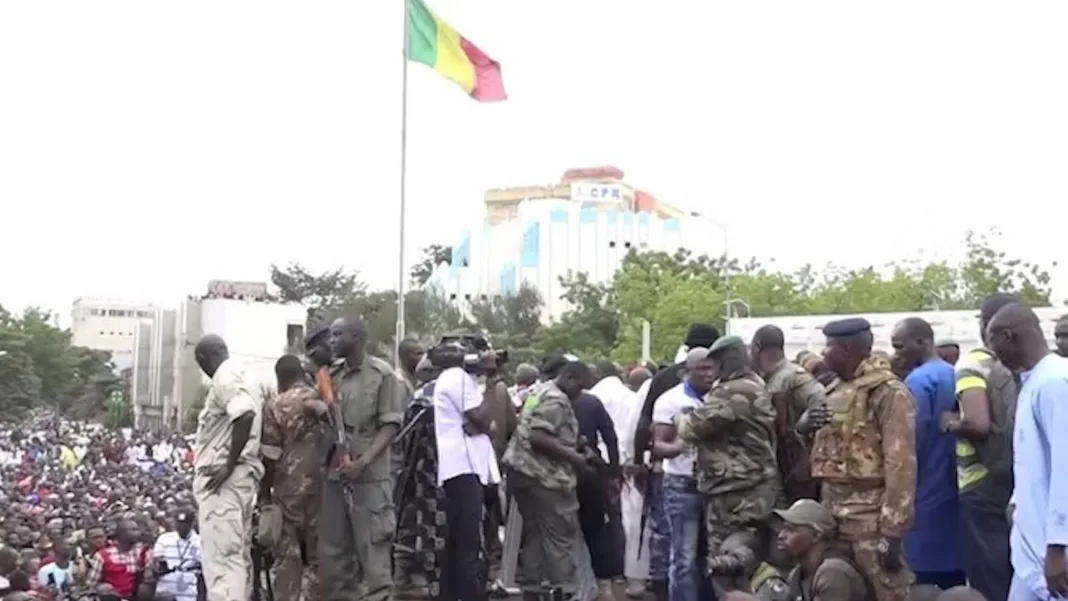
In Mali, authorities have capitalized on anti-French sentiment and accused Algeria of harboring opposition figures. In Burundi, Belgium is blamed for ethnic divisions and Rwanda for supporting rebel groups. This strategy allows the regimes to rally support and justify authoritarian measures.
The findings highlight a pattern where external enemies serve as a political tool. While Mali’s junta has postponed elections indefinitely, Burundi’s government still prepares for a 2027 vote, using the security narrative to shape the political landscape.
Kaneza argues that this approach also masks internal corruption and patronage networks, making it a resilient strategy for survival. The research underscores the challenges of promoting democracy in regions where such tactics are entrenched.
News Desk is the editorial publishing account for Tringlobe Media News, covering breaking news, public affairs, entertainment, community developments and regional stories across Trinidad and Tobago, the Caribbean and internationally.