The key points are temporarily unavailable. You can still read the full Story below.
Main Points
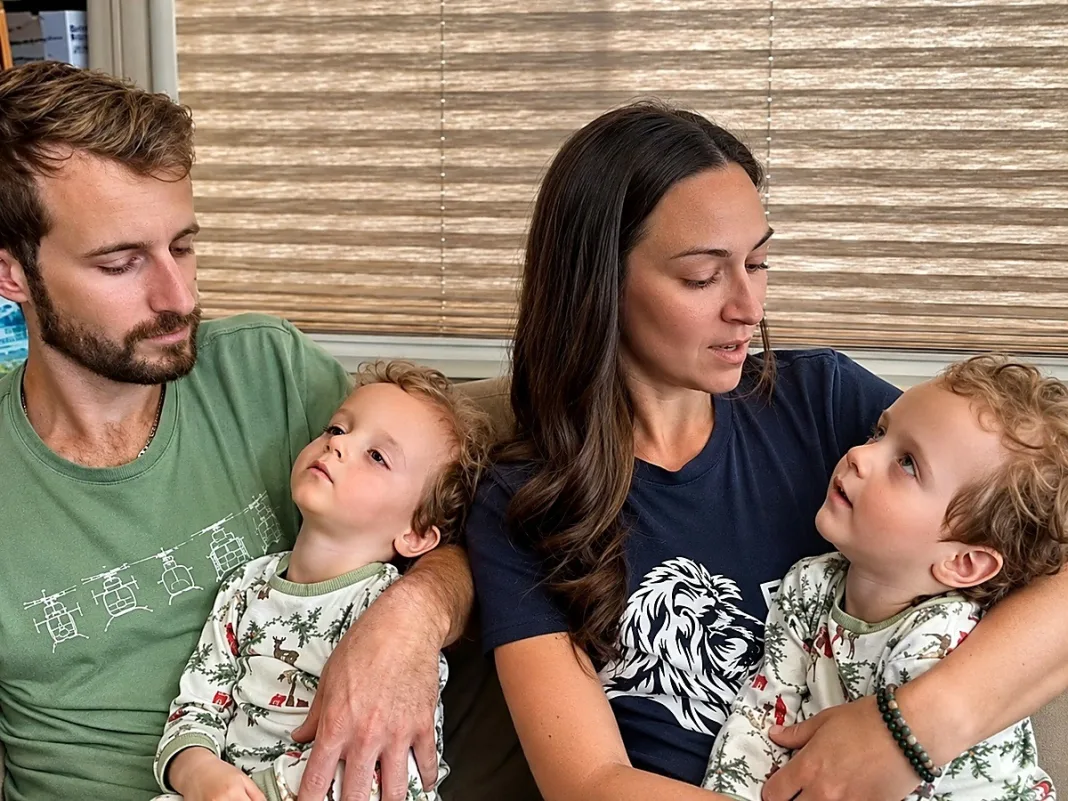
A family’s emotional account of their twin sons’ health struggles has resurfaced online, raising questions about parental consent, childhood vaccinations and the circumstances surrounding the boys’ reported developmental regression. The parents of twin boys Ralph and Charlie claim their children received hepatitis B vaccinations shortly after birth despite the family signing paperwork declining the shots. Speaking in an interview originally published by Children’s Health Defense TV in December 2023, the parents explained that their sons were born at 37 weeks, each weighing approximately six pounds, and were declared healthy with strong Apgar scores. According to the family, they later discovered that both children had received hepatitis B vaccinations while in hospital, despite their written refusal. The parents also alleged that the boys were given a dose intended for adolescents rather than infants. Unaware that vaccinations had already been administered, the family proceeded with routine immunisations during subsequent medical visits, which they say resulted in the children receiving additional hepatitis B doses. The parents reported that Ralph began experiencing seizures 22 days after a subsequent vaccination, while Charlie developed seizures 33 days after his. They described changes in both boys’ development, including difficulties with vision, eye contact and tracking objects. During the interview, the parents said the twins, who were approximately two years and two months old at the time, had experienced profound developmental difficulties. The family described the boys as being “frozen in time,” saying their abilities appeared to have remained at those of much younger infants. The parents believe the vaccinations were responsible for their sons’ conditions and claimed that medical experts working with the family shared their concerns. However, the family's account does not independently establish that the vaccines caused the seizures or developmental regression. The children's complete medical records, vaccination documentation, exact vaccine formulations and clinical diagnoses have not been independently verified. Medical guidance also distinguishes between different hepatitis B vaccine formulations. Some products use the same approved dose for infants, children and adolescents, meaning that an adolescent-labelled dose does not necessarily indicate an excessive dose. The US Centers for Disease Control and Prevention maintains that hepatitis B vaccines are generally safe and effective. Its guidance also states that an additional hepatitis B vaccine dose has not been found to be harmful. The allegation that the children were vaccinated despite their parents’ refusal remains a separate and serious question of medical consent that would require examination of hospital documentation. The family’s experience highlights the importance of accurate medical records, clear communication between healthcare providers and parents, and thorough medical investigation when children develop serious symptoms. While the parents remain convinced that the vaccinations changed their sons’ lives, the precise cause of the twins’ reported medical conditions has not been independently established.
A family’s emotional account of their twin sons’ health struggles has resurfaced online, raising questions about parental consent, childhood vaccinations and the circumstances surrounding the boys’ reported developmental regression.
The parents of twin boys Ralph and Charlie claim their children received hepatitis B vaccinations shortly after birth despite the family signing paperwork declining the shots.
Speaking in an interview originally published by Children’s Health Defense TV in December 2023, the parents explained that their sons were born at 37 weeks, each weighing approximately six pounds, and were declared healthy with strong Apgar scores.
According to the family, they later discovered that both children had received hepatitis B vaccinations while in hospital, despite their written refusal.
The parents also alleged that the boys were given a dose intended for adolescents rather than infants.
Unaware that vaccinations had already been administered, the family proceeded with routine immunisations during subsequent medical visits, which they say resulted in the children receiving additional hepatitis B doses.
The parents reported that Ralph began experiencing seizures 22 days after a subsequent vaccination, while Charlie developed seizures 33 days after his.
They described changes in both boys’ development, including difficulties with vision, eye contact and tracking objects.
During the interview, the parents said the twins, who were approximately two years and two months old at the time, had experienced profound developmental difficulties.
The family described the boys as being “frozen in time,” saying their abilities appeared to have remained at those of much younger infants.
The parents believe the vaccinations were responsible for their sons’ conditions and claimed that medical experts working with the family shared their concerns.
However, the family's account does not independently establish that the vaccines caused the seizures or developmental regression. The children's complete medical records, vaccination documentation, exact vaccine formulations and clinical diagnoses have not been independently verified.
Medical guidance also distinguishes between different hepatitis B vaccine formulations. Some products use the same approved dose for infants, children and adolescents, meaning that an adolescent-labelled dose does not necessarily indicate an excessive dose.
The US Centers for Disease Control and Prevention maintains that hepatitis B vaccines are generally safe and effective. Its guidance also states that an additional hepatitis B vaccine dose has not been found to be harmful.
The allegation that the children were vaccinated despite their parents’ refusal remains a separate and serious question of medical consent that would require examination of hospital documentation.
The family’s experience highlights the importance of accurate medical records, clear communication between healthcare providers and parents, and thorough medical investigation when children develop serious symptoms.
While the parents remain convinced that the vaccinations changed their sons’ lives, the precise cause of the twins’ reported medical conditions has not been independently established.
News Desk is the editorial publishing account for Tringlobe Media News, covering breaking news, public affairs, entertainment, community developments and regional stories across Trinidad and Tobago, the Caribbean and internationally.