The key points are temporarily unavailable. You can still read the full Story below.
Main Points
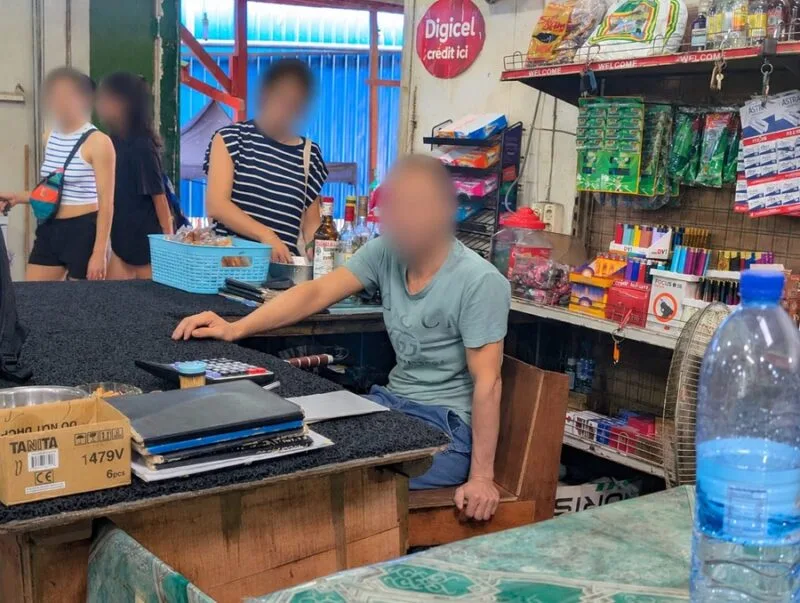
Chinese merchants fuel gold‑mining boom along Suriname‑French Guiana border A growing number of Chinese traders have established a network of shops and supply depots along the Marowijne, Lawa and Boven‑Marowijne rivers that feed the gold‑mining industry in Suriname and the western part of French Guiana. According to a 2024 report by the French research foundation La Fondation pour la Recherche Stratégique (FRS), roughly 120 Chinese‑owned outlets operate in the border region, providing equipment, chemicals and financial services to local miners. The phenomenon has roots in the early 20th century. Henk Uiterloo, owner of the Doré jewellery workshop in Suriname, recalls that his father, who was half Chinese, learned goldsmithing from Chinese apprentices. “Chinezen zijn overal waar geld te verdienen valt en ze durven risico nemen,” Uiterloo told the Ware Tijd. The Suriname Edelmetaal Bewerking Organisatie (Sebo), founded in 1958, historically purchased gold from local miners and supplied it to its members, often after the Central Bank of Suriname had bought the gold. In the town of Albina, the gold and balata industries attracted Chinese investors. Theo Tjon A Hie, author of The Chinese in Me (2022), described how the town once hosted fifty Chinese shops, drawing workers from other Caribbean islands such as Saint Lucia. The merchants supplied food and other necessities to miners in the surrounding fields. The new generation of Chinese traders, many of whom were born outside Suriname, has expanded into the supply chain. They operate along the rivers, offering everything from gold‑processing chemicals to credit lines. “If you want to mine, you can ask the Chinese for a loan. You repay in gold,” said Maurice Paskal, a local businessman who claims to have granted the first shop license in the area. Paskal also says the merchants bring mercury, used in gold extraction, though he does not know its source. The FRS report links the shops to a range of illicit activities. In 2019, the French operation Harpie identified Antonio do Brinco and Ronaldo—two settlements on the French side of the Marowijne River—as major hubs for illegal gold mining. The report cites the presence of “two major sites” where Chinese traders allegedly facilitate smuggling of gold, alcohol, drugs and weapons. A police officer was killed in April 2024 in Ronaldo after a Chinese shopkeeper paid him to guard the area. The settlements are described as “mini‑cities” with dense clusters of shops, restaurants, money‑exchange offices and lodging for sex workers. Paradise Island, a small enclave just across the Lawarivier from Grand‑Santi, hosts about five Chinese shops and several Brazilian kiosks. Paskal notes that the merchants’ presence has made it easier for locals to obtain goods that would otherwise be too expensive to transport from Albina. Anthropologist Marieke Heemskerk, who has studied the region for WWF, confirms that most of the traders are first‑generation Chinese from Fujian province, particularly the Putian prefecture. “Twenty years ago there was nothing there,” she said. “Now there are large shopping centres.” She found no evidence that the gold is shipped to China; instead, the merchants sell the gold locally and remit the proceeds. Local residents in Paramaribo‑Noord attribute the rise of Chinese retail to the merchants’ willingness to invest in the area. However, Captain Acubie Constan, who claims ancestral land rights in Antonio do Brinco and Ronaldo, argues that the land was sold to the traders by a local without legal authority. He says the French government has no jurisdiction over the area, while the Surinamese police maintain a small post in Antonio do Brinco. The FRS report labels the settlements as “concentration points for illegal activities,” ranging from money laundering to prostitution. Chinese traders reportedly provide free services to miners once their “foerage” (supplies) is exhausted. The lack of permits and oversight is a major concern. A search of the Surinamese Chamber of Commerce and Industry (KKF) database yielded no clear figures on the number of licensed shops, and the latest public data dates from 2022. The situation highlights the complex interplay between legitimate commerce, informal economies and illicit mining in the border region. While the Chinese merchants have brought economic activity to remote communities, their operations also raise questions about regulation, environmental impact and the legality of gold extraction. Article source: De Ware Tijd | Image credit: De Ware Tijd
Chinese merchants fuel gold‑mining boom along Suriname‑French Guiana border A growing number of Chinese traders have established a network of shops and supply depots along the Marowijne, Lawa and Boven‑Marowijne rivers that feed the gold‑mining industry in Suriname and the western part of French Guiana. According to a 2024 report by the French research foundation La Fondation pour la Recherche Stratégique (FRS), roughly 120 Chinese‑owned outlets operate in the border region, providing equipment, chemicals and financial services to local miners. The phenomenon has roots in the early 20th century. Henk Uiterloo, owner of the Doré jewellery workshop in Suriname, recalls that his father, who was half Chinese, learned goldsmithing from Chinese apprentices. “Chinezen zijn overal waar geld te verdienen valt en ze durven risico nemen,” Uiterloo told the Ware Tijd. The Suriname Edelmetaal Bewerking Organisatie (Sebo), founded in 1958, historically purchased gold from local miners and supplied it to its members, often after the Central Bank of Suriname had bought the gold. In the town of Albina, the gold and balata industries attracted Chinese investors. Theo Tjon A Hie, author of The Chinese in Me (2022), described how the town once hosted fifty Chinese shops, drawing workers from other Caribbean islands such as Saint Lucia. The merchants supplied food and other necessities to miners in the surrounding fields. The new generation of Chinese traders, many of whom were born outside Suriname, has expanded into the supply chain. They operate along the rivers, offering everything from gold‑processing chemicals to credit lines. “If you want to mine, you can ask the Chinese for a loan. You repay in gold,” said Maurice Paskal, a local businessman who claims to have granted the first shop license in the area. Paskal also says the merchants bring mercury, used in gold extraction, though he does not know its source. The FRS report links the shops to a range of illicit activities. In 2019, the French operation Harpie identified Antonio do Brinco and Ronaldo—two settlements on the French side of the Marowijne River—as major hubs for illegal gold mining. The report cites the presence of “two major sites” where Chinese traders allegedly facilitate smuggling of gold, alcohol, drugs and weapons. A police officer was killed in April 2024 in Ronaldo after a Chinese shopkeeper paid him to guard the area. The settlements are described as “mini‑cities” with dense clusters of shops, restaurants, money‑exchange offices and lodging for sex workers. Paradise Island, a small enclave just across the Lawarivier from Grand‑Santi, hosts about five Chinese shops and several Brazilian kiosks. Paskal notes that the merchants’ presence has made it easier for locals to obtain goods that would otherwise be too expensive to transport from Albina. Anthropologist Marieke Heemskerk, who has studied the region for WWF, confirms that most of the traders are first‑generation Chinese from Fujian province, particularly the Putian prefecture. “Twenty years ago there was nothing there,” she said. “Now there are large shopping centres.” She found no evidence that the gold is shipped to China; instead, the merchants sell the gold locally and remit the proceeds. Local residents in Paramaribo‑Noord attribute the rise of Chinese retail to the merchants’ willingness to invest in the area. However, Captain Acubie Constan, who claims ancestral land rights in Antonio do Brinco and Ronaldo, argues that the land was sold to the traders by a local without legal authority. He says the French government has no jurisdiction over the area, while the Surinamese police maintain a small post in Antonio do Brinco. The FRS report labels the settlements as “concentration points for illegal activities,” ranging from money laundering to prostitution. Chinese traders reportedly provide free services to miners once their “foerage” (supplies) is exhausted. The lack of permits and oversight is a major concern. A search of the Surinamese Chamber of Commerce and Industry (KKF) database yielded no clear figures on the number of licensed shops, and the latest public data dates from 2022. The situation highlights the complex interplay between legitimate commerce, informal economies and illicit mining in the border region. While the Chinese merchants have brought economic activity to remote communities, their operations also raise questions about regulation, environmental impact and the legality of gold extraction.
News Desk is the editorial publishing account for Tringlobe Media News, covering breaking news, public affairs, entertainment, community developments and regional stories across Trinidad and Tobago, the Caribbean and internationally.