The key points are temporarily unavailable. You can still read the full Story below.
Main Points
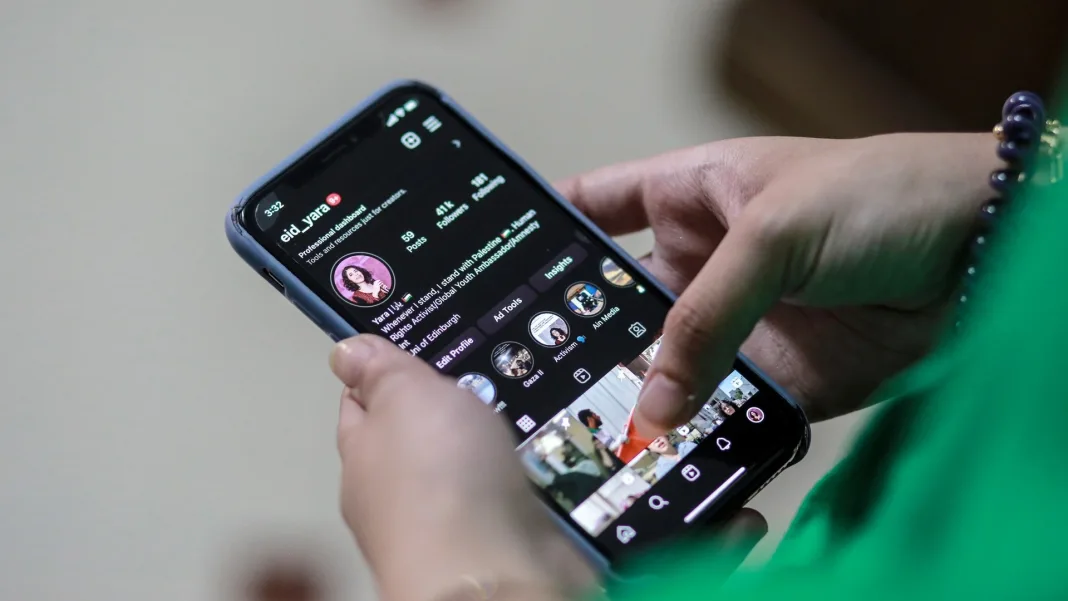
Journalists, activists, and human rights organizations are raising concerns regarding the visibility of Palestinian content on social media platforms during the ongoing conflict in Gaza. Critics argue that algorithmic moderation practices, which they describe as a form of systemic suppression, are limiting the reach of testimonies documenting the war, a phenomenon some observers have termed echoicide.
Human Rights Watch has previously documented instances where Meta removed images and videos depicting injured or killed Palestinian civilians, citing violations of policies regarding violence and incitement. Palestinian journalist Ahmed Shihab-Eldin reported that his Instagram account, which has over 1.1 million followers, has faced repeated suspensions and significant reductions in reach after posting content related to the conflict. Shihab-Eldin noted that some of his posts, which included footage of Israeli soldiers, were later utilized as evidence in the genocide case brought by South Africa against Israel at the International Court of Justice.
Jillian York, a director at the Electronic Frontier Foundation, stated that algorithmic censorship can be difficult to identify because it does not necessarily remove content entirely. Instead, it may gradually reduce the discoverability and audience reach of specific testimonies. Marwa Fatafta, policy director at Access Now, characterized the issue as structural, arguing that the silencing of Palestinian voices appears widespread rather than the result of isolated technical errors.
In response to these allegations, a spokesperson for Meta rejected claims of systemic censorship. The company stated that its moderation decisions are based on policy violations rather than the political views of users. Meta acknowledged that errors occur in content moderation but maintained that the implication of deliberate, systemic suppression of a particular voice is false. The company further noted that it has implemented changes to address previous moderation issues.
The debate extends to how digital platforms influence public perception and collective memory. Cultural anthropologist Rebecca L. Stein argued that the framing of visual content can invert perceptions of vulnerability, shifting focus from the impact of state violence to the perceived injury caused by the images themselves. As the conflict continues, activists like Alana Hadid emphasize that the struggle remains centered on the ability of Palestinians to document and share their own experiences without facing digital restrictions.
Article and image source: aljazeera.com