The key points are temporarily unavailable. You can still read the full Story below.
Main Points
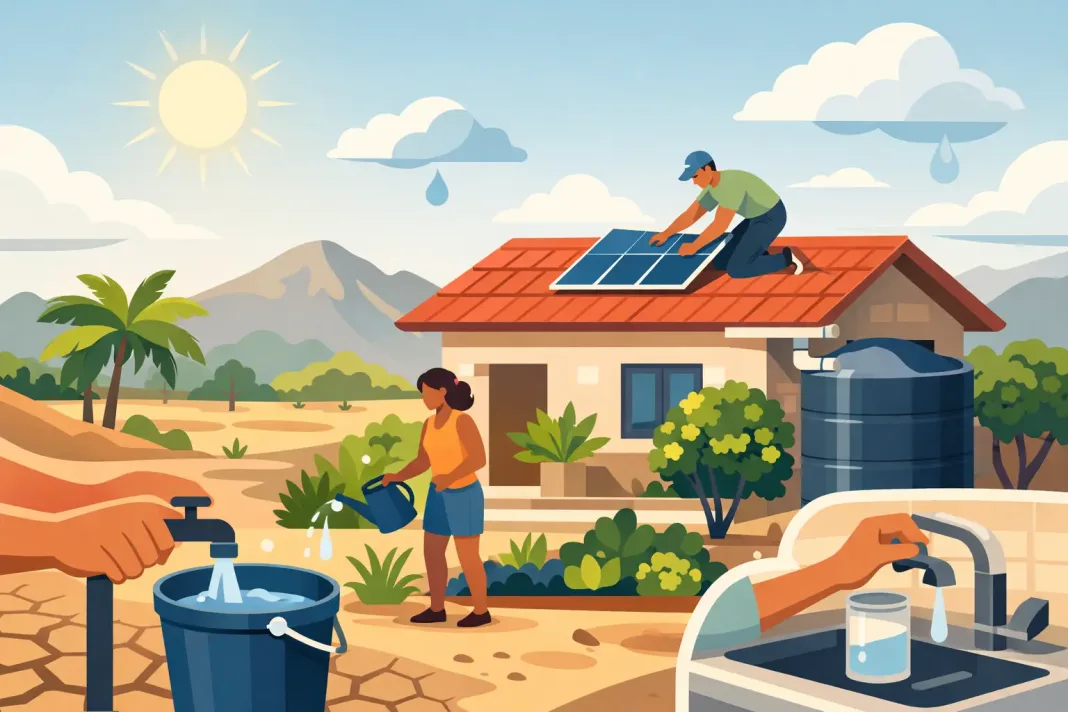
When a standpipe runs dry or water pressure drops to a trickle, the impact is immediate. Cooking, bathing, flushing toilets, caring for children and running a small business all become harder. Drought preparedness in Trinidad is therefore not a distant environmental talking point. It is a household, community and national readiness issue. Trinidad has long periods when rainfall can become unreliable, while high temperatures increase demand and place extra pressure on rivers, reservoirs, groundwater and distribution systems. The burden is rarely shared evenly. A family with storage tanks may manage a disruption far better than an elderly resident, a tenant, a roadside vendor or a farmer depending on a nearby supply. Preparing early cannot make drought disappear. It can reduce panic, waste and the risk that vulnerable people are left without the basics. Why drought hits harder than many households expect A drought does not always arrive with a dramatic warning. It can build over weeks and months through lower rainfall, hotter days, reduced stream flow and steadily rising water use. By the time a community begins seeing reduced pressure or scheduled supply disruptions, households may already be competing for water containers, tanker deliveries and limited storage space. That is why waiting until the taps stop is often the most expensive option. Last-minute purchases can strain family budgets, and rushed storage arrangements can create health risks if containers are dirty, uncovered or used for drinking water without proper treatment. There is also a wider public cost. Water losses from leaking pipes, illegal connections and inefficient fixtures do not disappear during dry periods. They become more serious when supply is under pressure. Drought exposes the gaps between how much water is available, how much is lost and how fairly it reaches communities. Drought preparedness in Trinidad begins with a water plan Every household should know where its water comes from, how long it can reasonably manage if supply is interrupted and who may need extra help. That plan will look different for a house with a large tank, a rented flat, a multigenerational home or a family running a small food business from the yard. Start by checking storage. Tanks, drums and buckets should be clean, covered and clearly separated by purpose. Water intended for drinking and food preparation needs more care than water reserved for flushing toilets, cleaning floors or watering plants. Containers should not be left open, where mosquitoes, dust and debris can enter. A good home plan should also identify the essentials first. Drinking, cooking, handwashing and basic sanitation take priority. Washing vehicles, hosing down concrete, filling pools and overwatering ornamental plants can wait when supply is tight. Five practical checks can make a major difference before a dry spell becomes severe: Inspect taps, toilet cisterns, outdoor pipes and tank connections for leaks.Clean and securely cover water storage containers.Keep a small reserve of safe drinking water separate from general-use water.Know how to shut off water if a pipe bursts or a tank begins overflowing.Save official supply notices and check on neighbours who may struggle to store water. Not every family can afford a large tank or a major plumbing upgrade. That is the reality. But even modest changes, such as fixing a leaking toilet or reusing laundry rinse water for outdoor cleaning, can stretch available supply. The key is using water more deliberately, not asking households to live without dignity. Safe storage matters as much as storage volume More containers do not automatically mean better preparedness. Water that has been stored badly can create a second problem, especially for babies, older adults and people with weakened immune systems. For drinking water, use clean, food-safe containers with tight-fitting covers. Avoid dipping cups or hands directly into stored water. If there is uncertainty about whether water is safe to drink, residents should follow guidance from public health authorities on treatment or boiling rather than relying on assumptions. Rainwater harvesting can also help with non-drinking uses, especially for gardening and cleaning. However, a rainwater system needs proper gutters, screened inlets, covered tanks and regular maintenance. Water collected from roofs should not be treated as drinking water unless it has been managed and treated appropriately. Homes cannot carry the full burden Individual preparation matters, but drought resilience cannot be reduced to a message telling citizens to buy more tanks. Many households face real barriers: limited income, cramped rental housing, insecure tenure, unreliable supply and no safe place to install storage. That is where public agencies, local government bodies, water providers, schools, businesses and community groups must be judged by their readiness. Clear information is essential. People need timely notice when supply conditions change, practical advice that is consistent, and honest updates on repair work, tanker schedules and areas facing prolonged disruption. Public institutions should also ensure that clinics, schools, homes for older persons and emergency services have dependable contingency supplies. A water interruption at a health centre is not an inconvenience. It can affect hygiene, patient care and public confidence. Communities can play a stronger role too. Residents' associations, faith groups and village organisations often know exactly who is most at risk: a pensioner living alone, a family with a newborn, someone with a disability or a household without transport to collect water. That local knowledge can turn a general alert into practical support. Farmers and small businesses need a different plan For farmers, drought can mean lost crops, stressed livestock and income that does not return simply because the rain does. Water-saving irrigation, mulching, shade, soil management and storage can help, but the right approach depends on the crop, land size, water source and cost. A farmer using drip irrigation may reduce waste compared with watering by hand or using a hose, but equipment requires investment and maintenance. Smaller producers may need technical support, access to affordable storage or shared community solutions rather than advice alone. Restaurants, salons, laundries, mechanics and other small businesses should also assess how an interruption would affect daily operations. A basic continuity plan can include stored non-potable water for cleaning, a clear policy for protecting hygiene standards and early communication with staff and customers if services must change. No business should cut corners on sanitation during a shortage. If safe water is not available for the service being offered, closing temporarily may be the responsible choice. What residents should expect from authorities Conservation campaigns are necessary, but they must be matched by action. During dry periods, the public has a right to ask whether leaks are being repaired quickly, whether distribution is being managed fairly and whether communities receive reliable information before a disruption becomes a crisis. Long-term drought preparedness also means protecting watersheds, reducing pollution, maintaining infrastructure and planning for changing rainfall patterns. These are not glamorous projects, yet they decide whether a country is repeatedly scrambling during a dry spell or building a more dependable water future. Residents should report major leaks and damaged public infrastructure through the appropriate channels, while avoiding misinformation that can spread quickly in community chats. A forwarded message about tanker deliveries or rationing is not the same as a verified notice. In a shortage, accurate information is part of the response. Make the plan before the pressure drops The strongest time to prepare is when water is still flowing normally. Check the tank, repair the leak, speak with relatives, and decide what your household will do if supply is interrupted for several days. Those small decisions can protect health, reduce stress and leave more room for a community to look after the people who need help most. Water is easy to take for granted until it is not. Treating every drop as valuable now is one practical way Trinidad can face the next dry spell with more readiness and less fear.
When a standpipe runs dry or water pressure drops to a trickle, the impact is immediate. Cooking, bathing, flushing toilets, caring for children and running a small business all become harder. Drought preparedness in Trinidad is therefore not a distant environmental talking point. It is a household, community and national readiness issue.
Trinidad has long periods when rainfall can become unreliable, while high temperatures increase demand and place extra pressure on rivers, reservoirs, groundwater and distribution systems. The burden is rarely shared evenly. A family with storage tanks may manage a disruption far better than an elderly resident, a tenant, a roadside vendor or a farmer depending on a nearby supply.
Preparing early cannot make drought disappear. It can reduce panic, waste and the risk that vulnerable people are left without the basics.
Why drought hits harder than many households expect
A drought does not always arrive with a dramatic warning. It can build over weeks and months through lower rainfall, hotter days, reduced stream flow and steadily rising water use. By the time a community begins seeing reduced pressure or scheduled supply disruptions, households may already be competing for water containers, tanker deliveries and limited storage space.
That is why waiting until the taps stop is often the most expensive option. Last-minute purchases can strain family budgets, and rushed storage arrangements can create health risks if containers are dirty, uncovered or used for drinking water without proper treatment.
There is also a wider public cost. Water losses from leaking pipes, illegal connections and inefficient fixtures do not disappear during dry periods. They become more serious when supply is under pressure. Drought exposes the gaps between how much water is available, how much is lost and how fairly it reaches communities.
Drought preparedness in Trinidad begins with a water plan
Every household should know where its water comes from, how long it can reasonably manage if supply is interrupted and who may need extra help. That plan will look different for a house with a large tank, a rented flat, a multigenerational home or a family running a small food business from the yard.
Start by checking storage. Tanks, drums and buckets should be clean, covered and clearly separated by purpose. Water intended for drinking and food preparation needs more care than water reserved for flushing toilets, cleaning floors or watering plants. Containers should not be left open, where mosquitoes, dust and debris can enter.
A good home plan should also identify the essentials first. Drinking, cooking, handwashing and basic sanitation take priority. Washing vehicles, hosing down concrete, filling pools and overwatering ornamental plants can wait when supply is tight.
Five practical checks can make a major difference before a dry spell becomes severe:
Inspect taps, toilet cisterns, outdoor pipes and tank connections for leaks.
Clean and securely cover water storage containers.
Keep a small reserve of safe drinking water separate from general-use water.
Know how to shut off water if a pipe bursts or a tank begins overflowing.
Save official supply notices and check on neighbours who may struggle to store water.
Not every family can afford a large tank or a major plumbing upgrade. That is the reality. But even modest changes, such as fixing a leaking toilet or reusing laundry rinse water for outdoor cleaning, can stretch available supply. The key is using water more deliberately, not asking households to live without dignity.
Safe storage matters as much as storage volume
More containers do not automatically mean better preparedness. Water that has been stored badly can create a second problem, especially for babies, older adults and people with weakened immune systems.
For drinking water, use clean, food-safe containers with tight-fitting covers. Avoid dipping cups or hands directly into stored water. If there is uncertainty about whether water is safe to drink, residents should follow guidance from public health authorities on treatment or boiling rather than relying on assumptions.
Rainwater harvesting can also help with non-drinking uses, especially for gardening and cleaning. However, a rainwater system needs proper gutters, screened inlets, covered tanks and regular maintenance. Water collected from roofs should not be treated as drinking water unless it has been managed and treated appropriately.
Homes cannot carry the full burden
Individual preparation matters, but drought resilience cannot be reduced to a message telling citizens to buy more tanks. Many households face real barriers: limited income, cramped rental housing, insecure tenure, unreliable supply and no safe place to install storage.
That is where public agencies, local government bodies, water providers, schools, businesses and community groups must be judged by their readiness. Clear information is essential. People need timely notice when supply conditions change, practical advice that is consistent, and honest updates on repair work, tanker schedules and areas facing prolonged disruption.
Public institutions should also ensure that clinics, schools, homes for older persons and emergency services have dependable contingency supplies. A water interruption at a health centre is not an inconvenience. It can affect hygiene, patient care and public confidence.
Communities can play a stronger role too. Residents’ associations, faith groups and village organisations often know exactly who is most at risk: a pensioner living alone, a family with a newborn, someone with a disability or a household without transport to collect water. That local knowledge can turn a general alert into practical support.
Farmers and small businesses need a different plan
For farmers, drought can mean lost crops, stressed livestock and income that does not return simply because the rain does. Water-saving irrigation, mulching, shade, soil management and storage can help, but the right approach depends on the crop, land size, water source and cost.
A farmer using drip irrigation may reduce waste compared with watering by hand or using a hose, but equipment requires investment and maintenance. Smaller producers may need technical support, access to affordable storage or shared community solutions rather than advice alone.
Restaurants, salons, laundries, mechanics and other small businesses should also assess how an interruption would affect daily operations. A basic continuity plan can include stored non-potable water for cleaning, a clear policy for protecting hygiene standards and early communication with staff and customers if services must change.
No business should cut corners on sanitation during a shortage. If safe water is not available for the service being offered, closing temporarily may be the responsible choice.
What residents should expect from authorities
Conservation campaigns are necessary, but they must be matched by action. During dry periods, the public has a right to ask whether leaks are being repaired quickly, whether distribution is being managed fairly and whether communities receive reliable information before a disruption becomes a crisis.
Long-term drought preparedness also means protecting watersheds, reducing pollution, maintaining infrastructure and planning for changing rainfall patterns. These are not glamorous projects, yet they decide whether a country is repeatedly scrambling during a dry spell or building a more dependable water future.
Residents should report major leaks and damaged public infrastructure through the appropriate channels, while avoiding misinformation that can spread quickly in community chats. A forwarded message about tanker deliveries or rationing is not the same as a verified notice. In a shortage, accurate information is part of the response.
Make the plan before the pressure drops
The strongest time to prepare is when water is still flowing normally. Check the tank, repair the leak, speak with relatives, and decide what your household will do if supply is interrupted for several days. Those small decisions can protect health, reduce stress and leave more room for a community to look after the people who need help most.
Water is easy to take for granted until it is not. Treating every drop as valuable now is one practical way Trinidad can face the next dry spell with more readiness and less fear.