The key points are temporarily unavailable. You can still read the full Story below.
Main Points
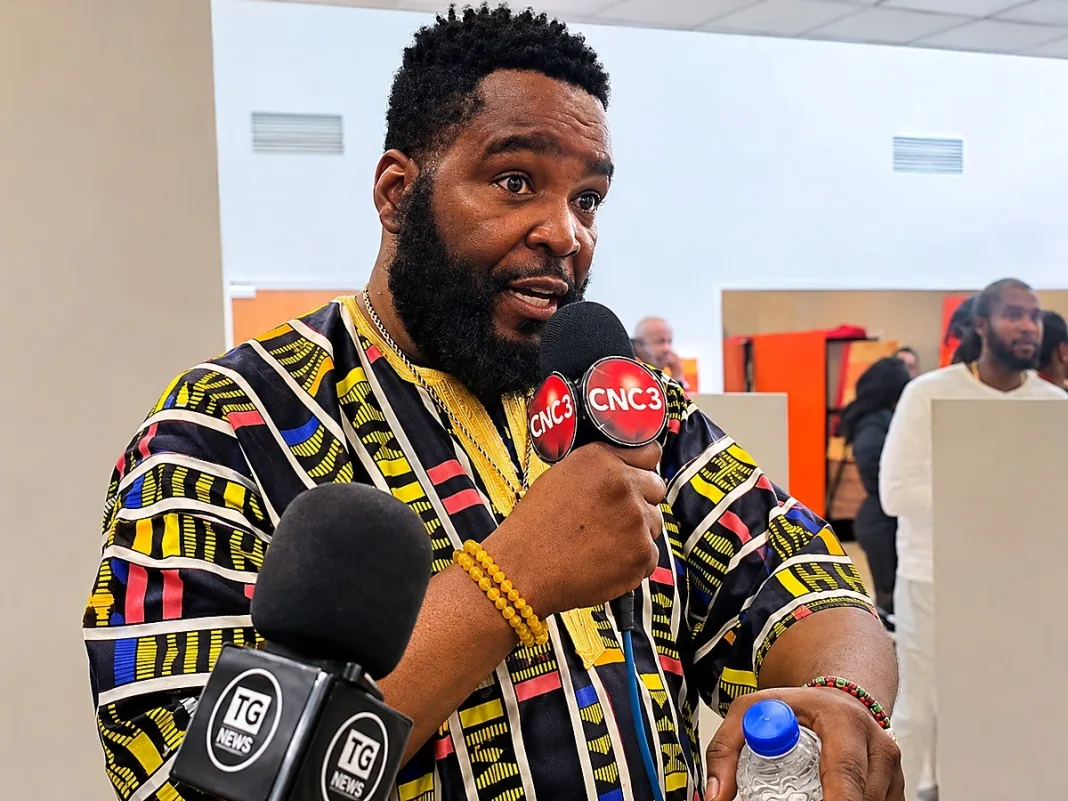
Dr Umar Warns Caribbean Against US Political Entanglements and Military Expansion in the Region Pan-Africanist Dr Umar Johnson has warned Caribbean nations against becoming entangled in American political disputes and military ambitions, arguing that neither of the two major United States political parties genuinely prioritises the interests of Black people in America or the Caribbean. Speaking at La Horquetta, Trinidad and Tobago, on Friday, November 6, 2026, Johnson addressed questions about American political influence, growing concerns over US military operations in the Caribbean and tensions involving Venezuela. Johnson argued that Caribbean governments should exercise caution when aligning themselves with either the Democratic or Republican parties, insisting that the region must place its own interests above Washington's political agenda. "Neither party really cares about black people in America, and by extension they don't care about black people in the Caribbean either," Johnson declared. He urged Caribbean leaders to maintain what he described as "six degrees of separation" from American political conflicts to avoid becoming involved in situations that could undermine the interests of Caribbean people. Democratic Victory Would Not Change US Foreign Policy, Johnson Claims Asked whether a Democratic electoral victory would change Washington's military approach towards the Caribbean, Johnson dismissed the possibility of any significant shift. "Democratic victory will not change Washington's approach, because contrary to what the people believe, the President is an employee, not a boss, they take orders," he stated. Johnson claimed that real power in the United States rests with institutions such as the Central Intelligence Agency, the Federal Reserve and national security agencies rather than the elected president. He further alleged that an unelected "shadow government" determines American military policy, with presidents merely implementing decisions made elsewhere. These claims reflect Johnson's interpretation of American political power and were not accompanied by evidence establishing the existence of such a decision-making structure. While American intelligence, defence and financial institutions exercise considerable influence, the US Constitution assigns the president significant executive and military authority, while Congress also possesses important war powers. Johnson cited former Presidents Barack Obama and Donald Trump, arguing that campaign promises to end military conflicts had not translated into the fundamental changes voters expected. US Military Presence and the Monroe Doctrine Turning to American military activity in the Caribbean, Johnson linked Washington's regional strategy to the Monroe Doctrine, a nineteenth-century foreign policy position originally intended to oppose further European colonial intervention in the Americas. He argued that the doctrine has historically provided a justification for American dominance throughout the Western Hemisphere. According to Johnson, Washington's military posture towards Venezuela and its longstanding confrontation with Cuba should be viewed as part of a broader effort to maintain political and territorial influence across the region. He suggested that Caribbean countries could increasingly find themselves exposed to American pressure as Washington seeks to reinforce its regional dominance. Johnson also advanced a controversial demographic argument, claiming that declining white population growth would encourage Western powers to pursue additional territory and influence. That demographic explanation remains his own assertion and should not be treated as an established explanation for American foreign policy. Warning for Caribbean Governments Johnson's comments come amid regional debate over the implications of American military operations, relations with Venezuela and the foreign policy choices facing Caribbean governments. For Trinidad and Tobago, those questions carry particular significance because of the country's geographical proximity to Venezuela, its membership in CARICOM and its longstanding economic and diplomatic relationships with the United States. Although Johnson did not identify a specific Caribbean administration in the supplied remarks, his warning raised broader questions about the risks of aligning too closely with competing American political interests. His central message was that Caribbean governments should resist becoming participants in geopolitical conflicts that may not serve their populations. The remarks add another voice to the ongoing regional discussion about sovereignty, foreign policy independence and the Caribbean's relationship with the United States as geopolitical tensions continue to attract public attention.
Dr Umar Warns Caribbean Against US Political Entanglements and Military Expansion in the Region
Pan-Africanist Dr Umar Johnson has warned Caribbean nations against becoming entangled in American political disputes and military ambitions, arguing that neither of the two major United States political parties genuinely prioritises the interests of Black people in America or the Caribbean.
Speaking at La Horquetta, Trinidad and Tobago, on Friday, November 6, 2026, Johnson addressed questions about American political influence, growing concerns over US military operations in the Caribbean and tensions involving Venezuela.
Johnson argued that Caribbean governments should exercise caution when aligning themselves with either the Democratic or Republican parties, insisting that the region must place its own interests above Washington's political agenda.
"Neither party really cares about black people in America, and by extension they don't care about black people in the Caribbean either," Johnson declared.
He urged Caribbean leaders to maintain what he described as "six degrees of separation" from American political conflicts to avoid becoming involved in situations that could undermine the interests of Caribbean people.
Democratic Victory Would Not Change US Foreign Policy, Johnson Claims
Asked whether a Democratic electoral victory would change Washington's military approach towards the Caribbean, Johnson dismissed the possibility of any significant shift.
"Democratic victory will not change Washington's approach, because contrary to what the people believe, the President is an employee, not a boss, they take orders," he stated.
Johnson claimed that real power in the United States rests with institutions such as the Central Intelligence Agency, the Federal Reserve and national security agencies rather than the elected president.
He further alleged that an unelected "shadow government" determines American military policy, with presidents merely implementing decisions made elsewhere.
These claims reflect Johnson's interpretation of American political power and were not accompanied by evidence establishing the existence of such a decision-making structure.
While American intelligence, defence and financial institutions exercise considerable influence, the US Constitution assigns the president significant executive and military authority, while Congress also possesses important war powers.
Johnson cited former Presidents Barack Obama and Donald Trump, arguing that campaign promises to end military conflicts had not translated into the fundamental changes voters expected.
US Military Presence and the Monroe Doctrine
Turning to American military activity in the Caribbean, Johnson linked Washington's regional strategy to the Monroe Doctrine, a nineteenth-century foreign policy position originally intended to oppose further European colonial intervention in the Americas.
He argued that the doctrine has historically provided a justification for American dominance throughout the Western Hemisphere.
According to Johnson, Washington's military posture towards Venezuela and its longstanding confrontation with Cuba should be viewed as part of a broader effort to maintain political and territorial influence across the region.
He suggested that Caribbean countries could increasingly find themselves exposed to American pressure as Washington seeks to reinforce its regional dominance.
Johnson also advanced a controversial demographic argument, claiming that declining white population growth would encourage Western powers to pursue additional territory and influence.
That demographic explanation remains his own assertion and should not be treated as an established explanation for American foreign policy.
Warning for Caribbean Governments
Johnson's comments come amid regional debate over the implications of American military operations, relations with Venezuela and the foreign policy choices facing Caribbean governments.
For Trinidad and Tobago, those questions carry particular significance because of the country's geographical proximity to Venezuela, its membership in CARICOM and its longstanding economic and diplomatic relationships with the United States.
Although Johnson did not identify a specific Caribbean administration in the supplied remarks, his warning raised broader questions about the risks of aligning too closely with competing American political interests.
His central message was that Caribbean governments should resist becoming participants in geopolitical conflicts that may not serve their populations.
The remarks add another voice to the ongoing regional discussion about sovereignty, foreign policy independence and the Caribbean's relationship with the United States as geopolitical tensions continue to attract public attention.
News Desk is the editorial publishing account for Tringlobe Media News, covering breaking news, public affairs, entertainment, community developments and regional stories across Trinidad and Tobago, the Caribbean and internationally.