The key points are temporarily unavailable. You can still read the full Story below.
Main Points
The sweeping Democratic victory in the United States midterm elections has raised important questions for Trinidad and Tobago, particularly over Prime Minister Kamla Persad-Bissessar's close political alignment with President Donald Trump and the long-term implications for the country's foreign policy. With Democrats securing control of both the House of Representatives and the Senate in the November 3, 2026 elections, Washington is entering a new period of divided government that could complicate Trump's ability to advance his political agenda. For Trinidad and Tobago, the development raises a broader diplomatic question: has the Government placed too much emphasis on building a relationship with one American president and his political movement, rather than maintaining balanced relationships across the US political establishment? From Praising Trump to Criticising Biden Persad-Bissessar has been particularly outspoken in her support for Trump. In January 2025, following Trump's inauguration, she publicly praised the incoming Republican administration while delivering a sharp criticism of former Democratic President Joe Biden. "The previous administration in the United States has been a disaster for the American people and the world," Persad-Bissessar declared at the time. She also accused the Biden administration of promoting what she described as an extreme left-wing agenda and expressed optimism about Trump's approach to international relations. Her remarks were criticised by then Foreign Affairs Minister Dr Amery Browne, who questioned the diplomatic wisdom of such strong statements against a departing American administration. Now, less than two years later, Democrats have regained control of Congress, placing that earlier political positioning under renewed scrutiny. The development does not mean the Prime Minister's relationship with Trump is without value. However, it illustrates the potential difficulties smaller countries can encounter when their diplomatic messaging becomes closely associated with one political party in a larger and more powerful nation. Cuba Vote Adds Another Dimension The Government's recent decision to vote alongside the United States against a United Nations resolution calling for an end to the American embargo on Cuba has added another dimension to the debate. On October 28, Trinidad and Tobago broke with its longstanding voting position by opposing the resolution, joining the United States and 15 other countries. The decision also placed Trinidad and Tobago at odds with the established position of several Caribbean Community nations. Persad-Bissessar subsequently defended the vote, arguing that her administration was standing for democracy, human rights and freedom for the Cuban people. However, with Democrats returning to congressional power, the decision raises questions about the extent to which Trinidad and Tobago's foreign policy should reflect the priorities of the current White House. There is no evidence that the incoming Democratic congressional leadership intends to punish Trinidad and Tobago over the vote. Nevertheless, the episode highlights the importance of ensuring that national positions remain defensible beyond the lifespan of any particular foreign administration. Energy and Venezuela Remain Critical One of the most important issues for Trinidad and Tobago is its energy relationship with Venezuela. Projects involving Venezuelan natural gas, including Dragon, have been affected by American sanctions and licensing requirements. Although the Trump administration retains considerable authority over sanctions enforcement and foreign policy, a Democratic-controlled Congress could subject aspects of the administration's regional policies to greater examination. For an economy that depends heavily on energy production and investment, uncertainty surrounding access to Venezuelan gas remains a significant concern. The question is whether Trinidad and Tobago has developed a sufficiently broad diplomatic strategy capable of protecting its energy interests regardless of which American political party controls Congress or the White House. Regional Relationships Also Matter The Persad-Bissessar administration has defended its close security cooperation with Washington, particularly in combating organised crime and drug trafficking. The Prime Minister has credited cooperation with the Trump administration for helping Trinidad and Tobago address its security challenges. Supporters of the Government's approach may therefore argue that strong relations with the White House have produced practical benefits that should not be overlooked. However, the administration's positions on Venezuela, Cuba and American military activity in the Caribbean have also contributed to disagreements with some CARICOM partners. These developments raise questions about how Trinidad and Tobago can maintain productive relations with Washington while protecting its traditional diplomatic relationships within the Caribbean. An Earlier Warning International relations expert Andy Knight had previously warned that aligning too closely with Trump could create difficulties for Trinidad and Tobago once the American president's political influence began to diminish. Knight argued that governments must recognise that American presidents are temporary and that their ability to exercise political power can change. The Democratic victories now make that concern particularly relevant. Trump remains President and will continue exercising executive authority, but his administration will face a Congress controlled by political opponents from January 2027. The balance of power has changed, even though the presidency has not. A Test of Trinidad and Tobago's Foreign Policy The election results do not establish that Trinidad and Tobago has suffered any diplomatic or economic damage as a consequence of the Government's relationship with Trump. Nor do they mean existing agreements with the United States will automatically change. What they do demonstrate is the importance of maintaining diplomatic relationships that extend beyond individual leaders and political parties. For a small Caribbean nation dependent on international trade, foreign investment, energy cooperation and regional stability, foreign policy decisions can carry consequences well beyond domestic political debate. As Washington prepares for divided government, the Persad-Bissessar administration faces an important diplomatic test: maintaining the benefits of its relationship with President Trump while ensuring that Trinidad and Tobago can work effectively with a Democratic-controlled Congress. The issue is not whether Trinidad and Tobago should maintain close ties with the United States. The two countries share longstanding economic, security and cultural relationships. The more important question is whether those ties are being managed broadly enough to protect the country's interests when American political power changes hands. For Trinidad and Tobago, the lesson from Washington may be that relationships with foreign leaders are important, but lasting diplomacy must be built on national interests rather than political personalities.
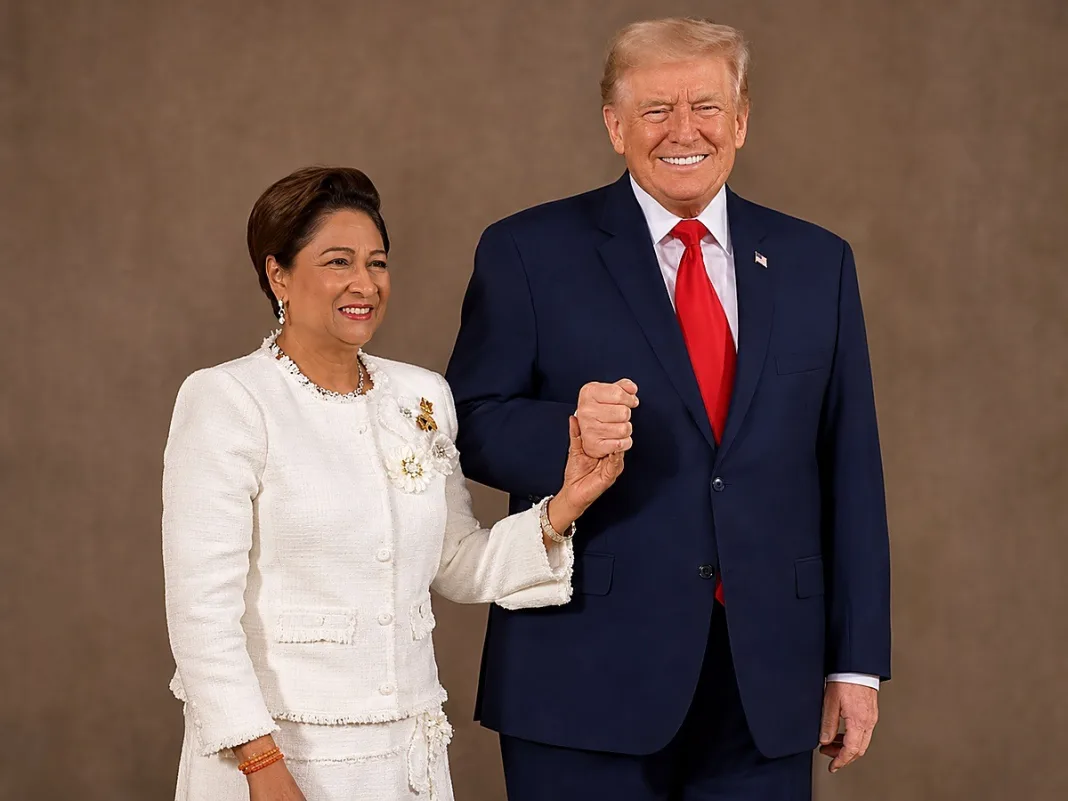
The sweeping Democratic victory in the United States midterm elections has raised important questions for Trinidad and Tobago, particularly over Prime Minister Kamla Persad-Bissessar's close political alignment with President Donald Trump and the long-term implications for the country's foreign policy.
With Democrats securing control of both the House of Representatives and the Senate in the November 3, 2026 elections, Washington is entering a new period of divided government that could complicate Trump's ability to advance his political agenda.
For Trinidad and Tobago, the development raises a broader diplomatic question: has the Government placed too much emphasis on building a relationship with one American president and his political movement, rather than maintaining balanced relationships across the US political establishment?
From Praising Trump to Criticising Biden
Persad-Bissessar has been particularly outspoken in her support for Trump.
In January 2025, following Trump's inauguration, she publicly praised the incoming Republican administration while delivering a sharp criticism of former Democratic President Joe Biden.
"The previous administration in the United States has been a disaster for the American people and the world," Persad-Bissessar declared at the time.
She also accused the Biden administration of promoting what she described as an extreme left-wing agenda and expressed optimism about Trump's approach to international relations.
Her remarks were criticised by then Foreign Affairs Minister Dr Amery Browne, who questioned the diplomatic wisdom of such strong statements against a departing American administration.
Now, less than two years later, Democrats have regained control of Congress, placing that earlier political positioning under renewed scrutiny.
The development does not mean the Prime Minister's relationship with Trump is without value. However, it illustrates the potential difficulties smaller countries can encounter when their diplomatic messaging becomes closely associated with one political party in a larger and more powerful nation.
Cuba Vote Adds Another Dimension
The Government's recent decision to vote alongside the United States against a United Nations resolution calling for an end to the American embargo on Cuba has added another dimension to the debate.
On October 28, Trinidad and Tobago broke with its longstanding voting position by opposing the resolution, joining the United States and 15 other countries.
The decision also placed Trinidad and Tobago at odds with the established position of several Caribbean Community nations.
Persad-Bissessar subsequently defended the vote, arguing that her administration was standing for democracy, human rights and freedom for the Cuban people.
However, with Democrats returning to congressional power, the decision raises questions about the extent to which Trinidad and Tobago's foreign policy should reflect the priorities of the current White House.
There is no evidence that the incoming Democratic congressional leadership intends to punish Trinidad and Tobago over the vote. Nevertheless, the episode highlights the importance of ensuring that national positions remain defensible beyond the lifespan of any particular foreign administration.
Energy and Venezuela Remain Critical
One of the most important issues for Trinidad and Tobago is its energy relationship with Venezuela.
Projects involving Venezuelan natural gas, including Dragon, have been affected by American sanctions and licensing requirements.
Although the Trump administration retains considerable authority over sanctions enforcement and foreign policy, a Democratic-controlled Congress could subject aspects of the administration's regional policies to greater examination.
For an economy that depends heavily on energy production and investment, uncertainty surrounding access to Venezuelan gas remains a significant concern.
The question is whether Trinidad and Tobago has developed a sufficiently broad diplomatic strategy capable of protecting its energy interests regardless of which American political party controls Congress or the White House.
Regional Relationships Also Matter
The Persad-Bissessar administration has defended its close security cooperation with Washington, particularly in combating organised crime and drug trafficking.
The Prime Minister has credited cooperation with the Trump administration for helping Trinidad and Tobago address its security challenges.
Supporters of the Government's approach may therefore argue that strong relations with the White House have produced practical benefits that should not be overlooked.
However, the administration's positions on Venezuela, Cuba and American military activity in the Caribbean have also contributed to disagreements with some CARICOM partners.
These developments raise questions about how Trinidad and Tobago can maintain productive relations with Washington while protecting its traditional diplomatic relationships within the Caribbean.
An Earlier Warning
International relations expert Andy Knight had previously warned that aligning too closely with Trump could create difficulties for Trinidad and Tobago once the American president's political influence began to diminish.
Knight argued that governments must recognise that American presidents are temporary and that their ability to exercise political power can change.
The Democratic victories now make that concern particularly relevant.
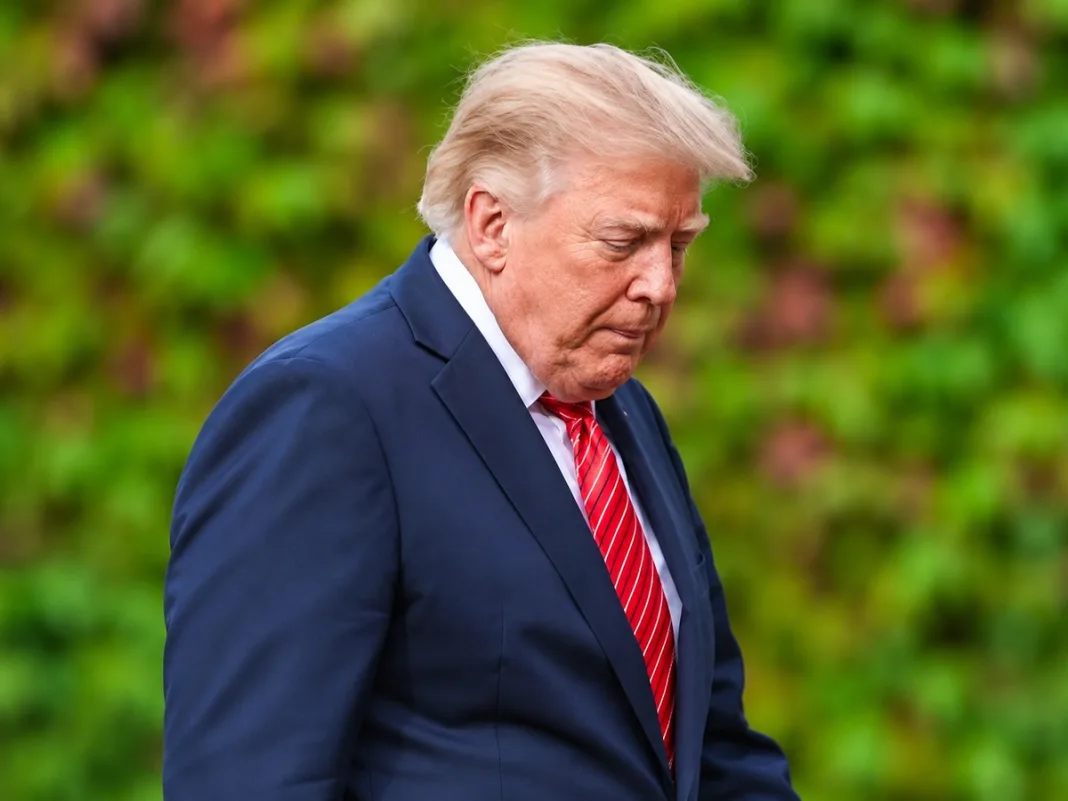
Trump remains President and will continue exercising executive authority, but his administration will face a Congress controlled by political opponents from January 2027.
The balance of power has changed, even though the presidency has not.
A Test of Trinidad and Tobago's Foreign Policy
The election results do not establish that Trinidad and Tobago has suffered any diplomatic or economic damage as a consequence of the Government's relationship with Trump.
Nor do they mean existing agreements with the United States will automatically change.
What they do demonstrate is the importance of maintaining diplomatic relationships that extend beyond individual leaders and political parties.
For a small Caribbean nation dependent on international trade, foreign investment, energy cooperation and regional stability, foreign policy decisions can carry consequences well beyond domestic political debate.
As Washington prepares for divided government, the Persad-Bissessar administration faces an important diplomatic test: maintaining the benefits of its relationship with President Trump while ensuring that Trinidad and Tobago can work effectively with a Democratic-controlled Congress.
The issue is not whether Trinidad and Tobago should maintain close ties with the United States. The two countries share longstanding economic, security and cultural relationships.
The more important question is whether those ties are being managed broadly enough to protect the country's interests when American political power changes hands.
For Trinidad and Tobago, the lesson from Washington may be that relationships with foreign leaders are important, but lasting diplomacy must be built on national interests rather than political personalities.
News Desk is the editorial publishing account for Tringlobe Media News, covering breaking news, public affairs, entertainment, community developments and regional stories across Trinidad and Tobago, the Caribbean and internationally.