The key points are temporarily unavailable. You can still read the full Story below.
Main Points
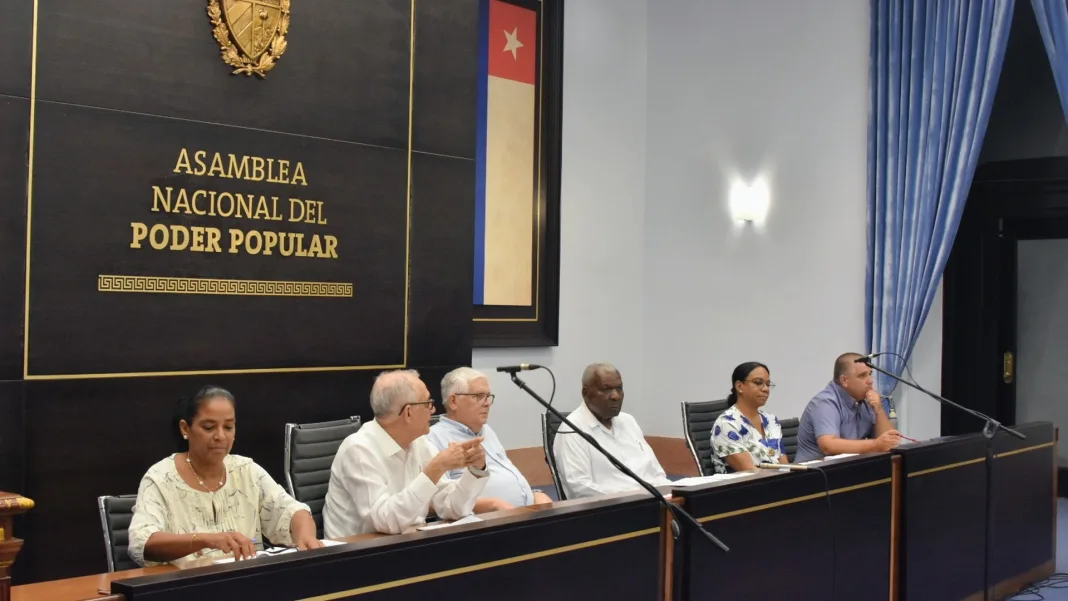
The Union of Journalists of Cuba (UPEC) has reaffirmed its commitment to communicating the truth of the Cuban Revolution during what it describes as one of the most difficult periods in its nearly 70-year history. The declaration came during the VI Plenum of UPEC’s National Committee, held via videoconference and presided over by Luis Morlote Rivas and Ricardo Ronquillo Bello.
The meeting focused on the severe energy crisis affecting the country, which has disrupted radio and television transmissions. Officials attributed the crisis to US sanctions, which they say have crippled the economy. Provincial newspapers have also been forced to shift entirely to digital platforms due to paper shortages, also blamed on the US blockade.
Ricardo Ronquillo Bello acknowledged a significant challenge: without electricity, audiences cannot access news broadcasts, creating dangerous informational gaps. UPEC leaders from Santiago de Cuba, Las Tunas, and Guantánamo discussed these difficulties but praised journalists for continuing their work under harsh conditions.
Another pressing issue was the decline in journalism enrollment. Few students applied for aptitude tests at the Faculty of Communication, raising concerns about the future of the profession. Luis Morlote Rivas urged the organization to focus on attracting and retaining young graduates, emphasizing the need to instill a commitment to defending the truth.
The plenum also honored Tubal Páez Hernández, a National Journalism Award winner and President of Honor of UPEC, which represents over 3,000 professionals across Cuba.
Article and image source: adelante.cu