The key points are temporarily unavailable. You can still read the full Story below.
Main Points
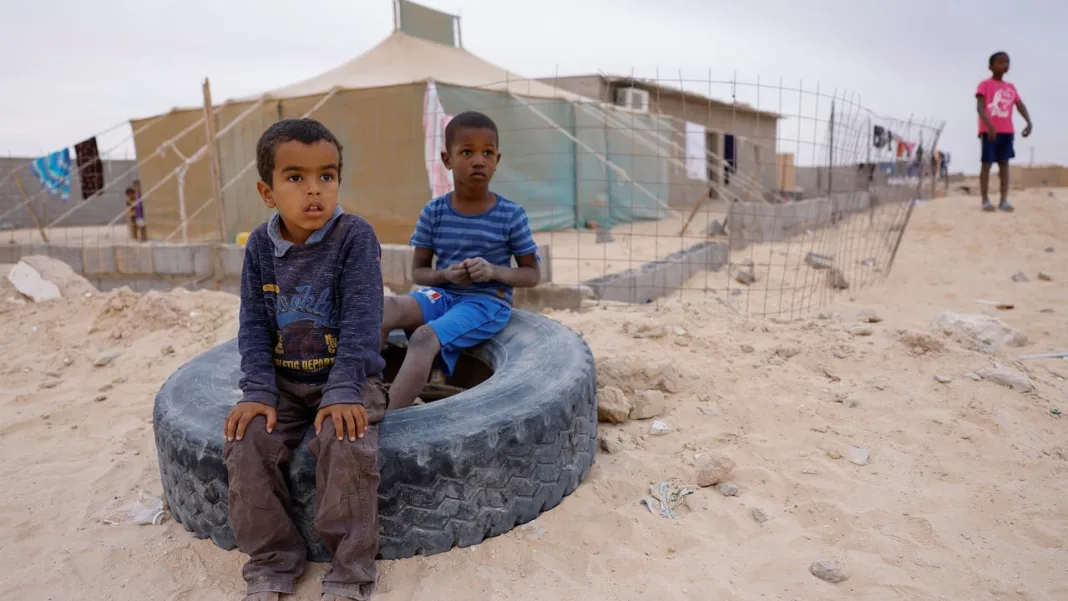
The camps of Tindouf, located in the Algerian town of the same name, have long been the focal point of the Western Sahara dispute. They house thousands of Sahrawi refugees who fled the conflict in the 1970s and 1980s. While the exact number of residents remains uncertain, estimates range from 70,000 to 80,000 people. The political status of the camps is a matter of ongoing debate. The Sahrawi Arab Democratic Republic (SADR), which claims sovereignty over Western Sahara, administers the camps through its Ministry of Interior. However, the camps are physically situated on Algerian territory, and the Algerian government provides security and basic services. The United Nations High Commissioner for Refugees (UNHCR) has been responsible for humanitarian assistance and has called for a comprehensive census of the refugee population. The United Nations mission in Western Sahara (UNMMA) is scheduled to withdraw in the coming months, marking a new phase in the diplomatic process. The withdrawal follows a series of diplomatic developments, including a Russian veto on 30 October to a U.S.‑backed resolution on the Western Sahara issue. The resolution, which sought to reaffirm the right of the Sahrawi people to self‑determination, was blocked by Russia in the Security Council, underscoring the geopolitical complexity of the dispute. On 23 November, Majda Moutchou, Morocco’s deputy permanent representative to the United Nations, addressed the Council. She emphasized the need for accurate demographic data and called for a renewed commitment to a negotiated settlement that respects the rights of all parties involved. Moutchou’s remarks highlighted the importance of reliable statistics for planning humanitarian assistance and for any future political solution. The future of the Tindouf camps remains uncertain. The Sahrawi population faces challenges related to limited resources, restricted mobility, and the lack of a definitive political status. Humanitarian agencies, including the UNHCR, continue to advocate for improved living conditions and for a durable resolution that addresses the refugees’ right to self‑determination. Jassim Ahdani, a journalist based in Morocco, reports on the evolving situation and the implications for the Western Sahara conflict. Article source: JeuneAfrique | Image credit: JeuneAfrique
The camps of Tindouf, located in the Algerian town of the same name, have long been the focal point of the Western Sahara dispute. They house thousands of Sahrawi refugees who fled the conflict in the 1970s and 1980s. While the exact number of residents remains uncertain, estimates range from 70,000 to 80,000 people. The political status of the camps is a matter of ongoing debate. The Sahrawi Arab Democratic Republic (SADR), which claims sovereignty over Western Sahara, administers the camps through its Ministry of Interior. However, the camps are physically situated on Algerian territory, and the Algerian government provides security and basic services. The United Nations High Commissioner for Refugees (UNHCR) has been responsible for humanitarian assistance and has called for a comprehensive census of the refugee population. The United Nations mission in Western Sahara (UNMMA) is scheduled to withdraw in the coming months, marking a new phase in the diplomatic process. The withdrawal follows a series of diplomatic developments, including a Russian veto on 30 October to a U.S.‑backed resolution on the Western Sahara issue. The resolution, which sought to reaffirm the right of the Sahrawi people to self‑determination, was blocked by Russia in the Security Council, underscoring the geopolitical complexity of the dispute. On 23 November, Majda Moutchou, Morocco’s deputy permanent representative to the United Nations, addressed the Council. She emphasized the need for accurate demographic data and called for a renewed commitment to a negotiated settlement that respects the rights of all parties involved. Moutchou’s remarks highlighted the importance of reliable statistics for planning humanitarian assistance and for any future political solution. The future of the Tindouf camps remains uncertain. The Sahrawi population faces challenges related to limited resources, restricted mobility, and the lack of a definitive political status. Humanitarian agencies, including the UNHCR, continue to advocate for improved living conditions and for a durable resolution that addresses the refugees’ right to self‑determination. Jassim Ahdani, a journalist based in Morocco, reports on the evolving situation and the implications for the Western Sahara conflict.
News Desk is the editorial publishing account for Tringlobe Media News, covering breaking news, public affairs, entertainment, community developments and regional stories across Trinidad and Tobago, the Caribbean and internationally.