The key points are temporarily unavailable. You can still read the full Story below.
Main Points
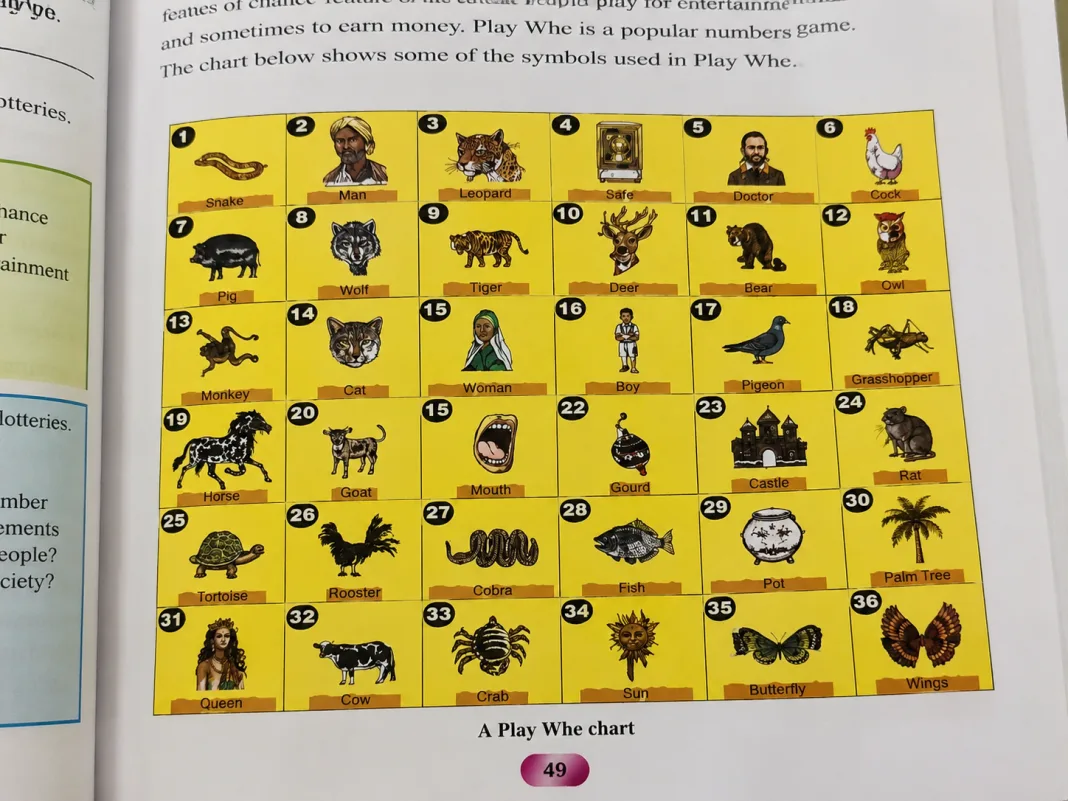
A Trinidad and Tobago mother is questioning the inclusion of a Play Whe chart in a primary school Social Studies book after discovering the material while reviewing her son’s schoolbooks. The mother raised her concerns in a video, questioning why children at the primary-school level need to be exposed to material associated with gambling. However, additional context surrounding the material is important. The Play Whe chart appears as part of a Social Studies discussion dealing with Trinidad and Tobago’s cultural heritage and influences. Play Whe has historical roots connected to the Chinese community in Trinidad and Tobago, developing from the traditional game Whe Whe. Its inclusion in the material therefore appears to be within a lesson examining aspects of the country’s history and culture, rather than an instruction on how children should gamble. The chart itself is explicitly labelled “A Play Whe chart.” The mother nevertheless questioned whether the subject should be presented to young children without greater emphasis on the potential negative consequences associated with gambling. She said she discovered the chart while going through her son’s Social Studies book and questioned why her son, or any child, needed to know about Play Whe. “If somebody can tell me why my son or anybody’s child needs to know about Play Whe, I will be very thankful,” she said. The mother, who identified herself as a Christian, argued that the fact something exists within society does not automatically mean it should be presented to children without discussion of its possible consequences. She compared the issue with other social problems children may encounter or hear about, arguing that their existence in society does not necessarily mean they should be presented without appropriate context. “Gambling is something wrong and very immoral that destroys family, that destroys family homes,” she said. She further argued that if gambling-related material is going to be discussed as part of Trinidad and Tobago’s culture or history, students should also be taught about the potential harm gambling can cause. Her comments represent her personal concerns about the material and should not be interpreted as evidence that the textbook is teaching children how to gamble. Rather, the issue raised by the video centres on whether Play Whe is an appropriate subject for students at that age, how it should be presented within Social Studies, and whether discussions about its cultural significance should also address the risks associated with gambling.
A Trinidad and Tobago mother is questioning the inclusion of a Play Whe chart in a primary school Social Studies book after discovering the material while reviewing her son’s schoolbooks.
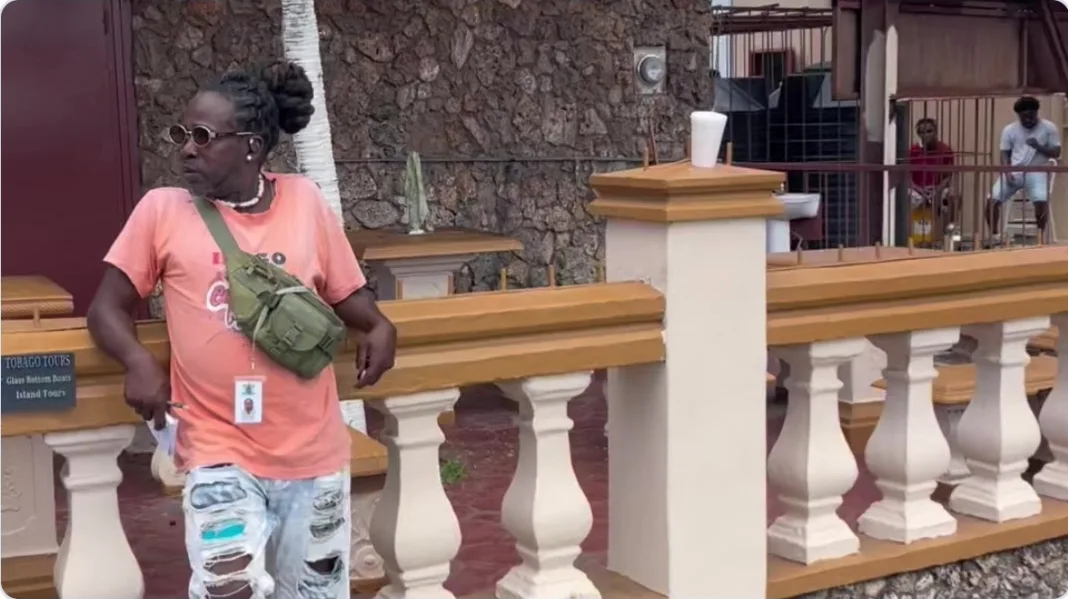
The mother raised her concerns in a video, questioning why children at the primary-school level need to be exposed to material associated with gambling.
However, additional context surrounding the material is important.
The Play Whe chart appears as part of a Social Studies discussion dealing with Trinidad and Tobago’s cultural heritage and influences. Play Whe has historical roots connected to the Chinese community in Trinidad and Tobago, developing from the traditional game Whe Whe. Its inclusion in the material therefore appears to be within a lesson examining aspects of the country’s history and culture, rather than an instruction on how children should gamble.
The chart itself is explicitly labelled “A Play Whe chart.”
The mother nevertheless questioned whether the subject should be presented to young children without greater emphasis on the potential negative consequences associated with gambling.
She said she discovered the chart while going through her son’s Social Studies book and questioned why her son, or any child, needed to know about Play Whe.
“If somebody can tell me why my son or anybody’s child needs to know about Play Whe, I will be very thankful,” she said.
The mother, who identified herself as a Christian, argued that the fact something exists within society does not automatically mean it should be presented to children without discussion of its possible consequences.
She compared the issue with other social problems children may encounter or hear about, arguing that their existence in society does not necessarily mean they should be presented without appropriate context.
“Gambling is something wrong and very immoral that destroys family, that destroys family homes,” she said.
She further argued that if gambling-related material is going to be discussed as part of Trinidad and Tobago’s culture or history, students should also be taught about the potential harm gambling can cause.
Her comments represent her personal concerns about the material and should not be interpreted as evidence that the textbook is teaching children how to gamble.
Rather, the issue raised by the video centres on whether Play Whe is an appropriate subject for students at that age, how it should be presented within Social Studies, and whether discussions about its cultural significance should also address the risks associated with gambling.
News Desk is the editorial publishing account for Tringlobe Media News, covering breaking news, public affairs, entertainment, community developments and regional stories across Trinidad and Tobago, the Caribbean and internationally.