The key points are temporarily unavailable. You can still read the full Story below.
Main Points
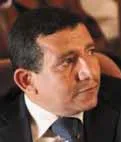
A member of Yemen’s House of Representatives delivered a statement outlining the country’s view of the ongoing conflict and the role of media and international actors in shaping public perception. The speaker criticized the use of religious rhetoric and political narratives to justify the war and called for a focus on humanitarian principles and international law. The representative noted that the war, which began in 2014, has caused extensive human suffering, including large numbers of casualties, widespread displacement, and a severe humanitarian crisis. He argued that attempts to portray the conflict in a way that frames the aggressor as a victim and the Yemeni people as the aggressor have made it difficult for the international community to see the full reality of the situation. The statement highlighted the influence of regional and international media outlets—such as Al Arabiya, Al Hadath, Al Jazeera, and Saudi‑backed Al Ekhbariya—in presenting narratives that critics say are shaped by the political interests of the states that fund them. The speaker warned that the use of religious authorities or fatwas to legitimize military actions can give a veneer of moral justification to violations of international law and the protection of civilians. He also pointed to the varied positions of other regional governments, including Egypt, Turkey, and Pakistan, as evidence of the complexity of the regional response to the Yemeni conflict. The representative emphasized that government positions do not always reflect the will of their populations and that public opinion in many Arab and Muslim countries has become more informed and critical due to greater access to information. The speaker called for an international response that prioritizes the lives and dignity of Yemeni civilians over political or financial interests. He urged the international community to hold those responsible for violations accountable through evidence‑based investigations and legal mechanisms, rather than relying on political influence or financial leverage. In concluding remarks, the representative expressed confidence that Yemen’s voice has become more audible in the region and the world, and he reaffirmed the country’s commitment to defending its sovereignty, dignity, and right to self‑determination. Article source: Al Thawra | Image credit: Al Thawra
A member of Yemen’s House of Representatives delivered a statement outlining the country’s view of the ongoing conflict and the role of media and international actors in shaping public perception. The speaker criticized the use of religious rhetoric and political narratives to justify the war and called for a focus on humanitarian principles and international law. The representative noted that the war, which began in 2014, has caused extensive human suffering, including large numbers of casualties, widespread displacement, and a severe humanitarian crisis. He argued that attempts to portray the conflict in a way that frames the aggressor as a victim and the Yemeni people as the aggressor have made it difficult for the international community to see the full reality of the situation. The statement highlighted the influence of regional and international media outlets—such as Al Arabiya, Al Hadath, Al Jazeera, and Saudi‑backed Al Ekhbariya—in presenting narratives that critics say are shaped by the political interests of the states that fund them. The speaker warned that the use of religious authorities or fatwas to legitimize military actions can give a veneer of moral justification to violations of international law and the protection of civilians. He also pointed to the varied positions of other regional governments, including Egypt, Turkey, and Pakistan, as evidence of the complexity of the regional response to the Yemeni conflict. The representative emphasized that government positions do not always reflect the will of their populations and that public opinion in many Arab and Muslim countries has become more informed and critical due to greater access to information. The speaker called for an international response that prioritizes the lives and dignity of Yemeni civilians over political or financial interests. He urged the international community to hold those responsible for violations accountable through evidence‑based investigations and legal mechanisms, rather than relying on political influence or financial leverage. In concluding remarks, the representative expressed confidence that Yemen’s voice has become more audible in the region and the world, and he reaffirmed the country’s commitment to defending its sovereignty, dignity, and right to self‑determination.
News Desk is the editorial publishing account for Tringlobe Media News, covering breaking news, public affairs, entertainment, community developments and regional stories across Trinidad and Tobago, the Caribbean and internationally.