The key points are temporarily unavailable. You can still read the full Story below.
Main Points
Albania’s natural heritage encompasses coastal lagoons, wetlands, forests and alpine vegetation. A 2009 paper in Economics of Agriculture describes this ecological variety alongside another national resource: traditional knowledge of medicinal plants and other products gathered from forests. The paper, by M. Metaj, reported about 3,250 species of vascular plants, spread across 165 families and more than 900 genera. These are historical figures from the study, rather than a current inventory, but they illustrate the botanical diversity its conservation proposals sought to address. Medicinal plants and non-timber forest products had long held importance in Albanian culture and traditional knowledge, the author wrote. The paper connected that heritage with questions about how natural resources should be used and regulated. It identified shortcomings in legislation and, particularly, enforcement governing the developing industry. The study also documented an earlier chapter in Albania’s conservation planning. A biodiversity strategy developed in 2000 called for expanding protected areas to approximately 15 percent of national territory. That proposal should not be confused with the country’s present protected-area coverage. Metaj argued that conservation required changes in legal frameworks, institutions and resource management. Read today as a historical assessment, the paper records how Albania’s botanical heritage brought traditional plant knowledge and formal conservation policy into the same discussion.
Albania’s natural heritage encompasses coastal lagoons, wetlands, forests and alpine vegetation. A 2009 paper in Economics of Agriculture describes this ecological variety alongside another national resource: traditional knowledge of medicinal plants and other products gathered from forests.
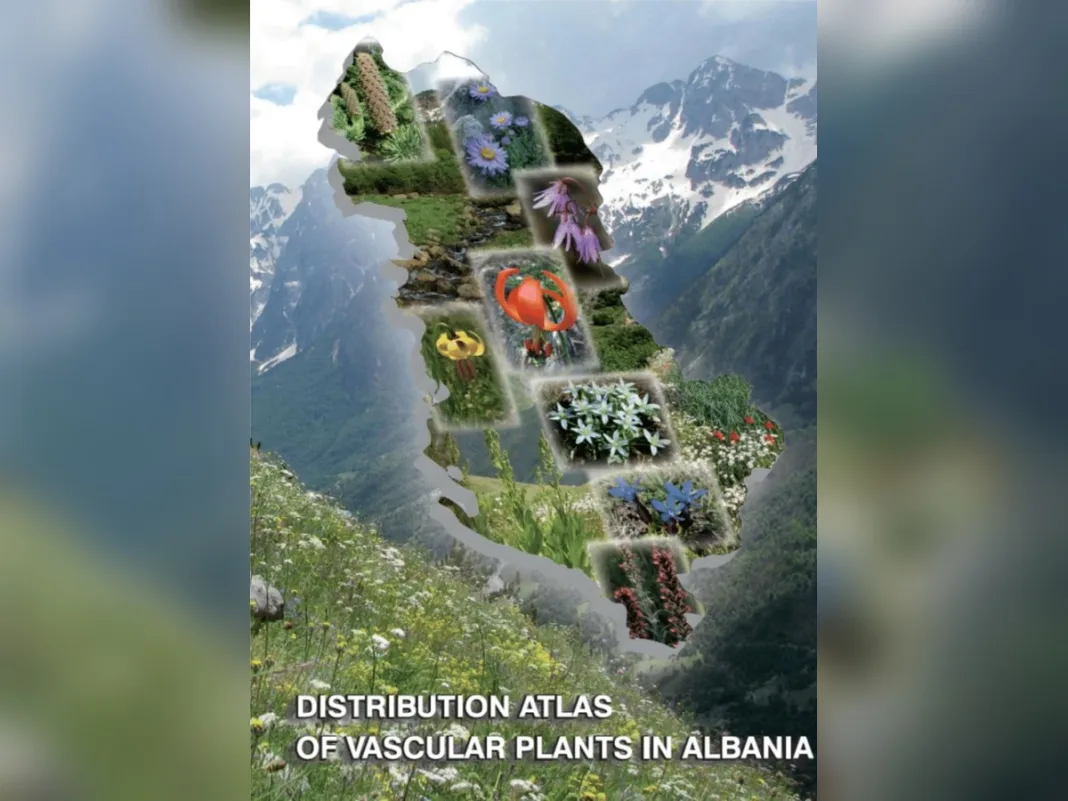
The paper, by M. Metaj, reported about 3,250 species of vascular plants, spread across 165 families and more than 900 genera. These are historical figures from the study, rather than a current inventory, but they illustrate the botanical diversity its conservation proposals sought to address.
Medicinal plants and non-timber forest products had long held importance in Albanian culture and traditional knowledge, the author wrote. The paper connected that heritage with questions about how natural resources should be used and regulated. It identified shortcomings in legislation and, particularly, enforcement governing the developing industry.
The study also documented an earlier chapter in Albania’s conservation planning. A biodiversity strategy developed in 2000 called for expanding protected areas to approximately 15 percent of national territory. That proposal should not be confused with the country’s present protected-area coverage.
Metaj argued that conservation required changes in legal frameworks, institutions and resource management. Read today as a historical assessment, the paper records how Albania’s botanical heritage brought traditional plant knowledge and formal conservation policy into the same discussion.
News Desk is the editorial publishing account for Tringlobe Media News, covering breaking news, public affairs, entertainment, community developments and regional stories across Trinidad and Tobago, the Caribbean and internationally.