The key points are temporarily unavailable. You can still read the full Story below.
Main Points
Prime Minister 𝐊𝐚𝐦𝐥𝐚 𝐏𝐞𝐫𝐬𝐚𝐝-𝐁𝐢𝐬𝐬𝐞𝐬𝐬𝐚𝐫 believes the change in the US Congress will have little impact on Trinidad and Tobago’s relationship with Washington. But can we seriously conclude that nothing will change? The 𝐍𝐨𝐯𝐞𝐦𝐛𝐞𝐫 𝟑, 𝟐𝟎𝟐𝟔, midterm elections handed Democrats control of both chambers of Congress. By 𝐍𝐨𝐯𝐞𝐦𝐛𝐞𝐫 𝟓, Democrats had secured at least 𝟓𝟒 𝐒𝐞𝐧𝐚𝐭𝐞 𝐬𝐞𝐚𝐭𝐬 and gained at least 𝟑𝟎 𝐇𝐨𝐮𝐬𝐞 𝐬𝐞𝐚𝐭𝐬. President 𝐃𝐨𝐧𝐚𝐥𝐝 𝐓𝐫𝐮𝐦𝐩 retains the White House, his veto and executive authority. But Congress controls appropriations, confirms senior appointments through the Senate, and possesses extensive investigative powers. 𝐀 𝐩𝐫𝐞𝐬𝐢𝐝𝐞𝐧𝐭 𝐜𝐚𝐧 𝐧𝐞𝐠𝐨𝐭𝐢𝐚𝐭𝐞, 𝐭𝐡𝐫𝐞𝐚𝐭𝐞𝐧 𝐚𝐧𝐝 𝐩𝐫𝐨𝐩𝐨𝐬𝐞. 𝐂𝐨𝐧𝐠𝐫𝐞𝐬𝐬 𝐜𝐚𝐧 𝐢𝐧𝐯𝐞𝐬𝐭𝐢𝐠𝐚𝐭𝐞, 𝐝𝐞𝐥𝐚𝐲, 𝐫𝐞𝐣𝐞𝐜𝐭 𝐨𝐫 𝐫𝐞𝐬𝐡𝐚𝐩𝐞. Even Vice-President 𝐉𝐃 𝐕𝐚𝐧𝐜𝐞 has publicly blamed the Iran war for Republican losses, while Trump continues defending the conflict. Foreign policy has become a domestic political liability. There are 𝐭𝐰𝐨 𝐫𝐞𝐚𝐬𝐨𝐧𝐬 an executive-only diplomatic strategy exposes Trinidad and Tobago. 𝐅𝐈𝐑𝐒𝐓: 𝐇𝐈𝐒𝐓𝐎𝐑𝐘 𝐃𝐎𝐄𝐒 𝐍𝐎𝐓 𝐅𝐀𝐕𝐎𝐔𝐑 𝐓𝐇𝐄 𝐈𝐍𝐂𝐔𝐌𝐁𝐄𝐍𝐓. Between 𝟏𝟗𝟑𝟒 𝐚𝐧𝐝 𝟐𝟎𝟐𝟐, the sitting president’s party lost House seats in 𝟐𝟎 𝐨𝐟 𝟐𝟑 𝐦𝐢𝐝𝐭𝐞𝐫𝐦 𝐞𝐥𝐞𝐜𝐭𝐢𝐨𝐧𝐬 — 𝐚𝐩𝐩𝐫𝐨𝐱𝐢𝐦𝐚𝐭𝐞𝐥𝐲 𝟖𝟕%. President 𝐁𝐚𝐫𝐚𝐜𝐤 𝐎𝐛𝐚𝐦𝐚 lost 𝟔𝟑 𝐇𝐨𝐮𝐬𝐞 𝐬𝐞𝐚𝐭𝐬 𝐢𝐧 𝟐𝟎𝟏𝟎. Trump’s Republicans lost 𝟒𝟏 𝐢𝐧 𝟐𝟎𝟏𝟖. Why would a small island state concentrate its diplomatic relationships in the White House when history repeatedly demonstrates the likelihood of congressional reversal? 𝐀 𝐟𝐫𝐢𝐞𝐧𝐝 𝐢𝐧 𝐭𝐡𝐞 𝐖𝐡𝐢𝐭𝐞 𝐇𝐨𝐮𝐬𝐞 𝐝𝐨𝐞𝐬 𝐧𝐨𝐭 𝐫𝐞𝐪𝐮𝐢𝐫𝐞 𝐚𝐧 𝐞𝐧𝐞𝐦𝐲 𝐢𝐧 𝐂𝐨𝐧𝐠𝐫𝐞𝐬𝐬. 𝐒𝐄𝐂𝐎𝐍𝐃: 𝐃𝐄𝐅𝐄𝐀𝐓𝐄𝐃 𝐏𝐑𝐄𝐒𝐈𝐃𝐄𝐍𝐓𝐒 𝐅𝐀𝐂𝐄 𝐃𝐎𝐌𝐄𝐒𝐓𝐈𝐂 𝐏𝐑𝐄𝐒𝐒𝐔𝐑𝐄𝐒. Affordability, government expenditure, oversight and the next election become competing priorities. Foreign initiatives must compete for funding and political support. What appeared secure yesterday could face scrutiny tomorrow. Consider T&T’s support for US military operations in the Caribbean. Families of 𝐂𝐡𝐚𝐝 𝐉𝐨𝐬𝐞𝐩𝐡 𝐚𝐧𝐝 𝐑𝐢𝐬𝐡𝐢 𝐒𝐚𝐦𝐚𝐫𝐨𝐨, two Trinidadians killed in an 𝐎𝐜𝐭𝐨𝐛𝐞𝐫 𝟏𝟒, 𝟐𝟎𝟐𝟓, US boat strike, filed a federal lawsuit in Massachusetts on 𝐉𝐚𝐧𝐮𝐚𝐫𝐲 𝟐𝟕, 𝟐𝟎𝟐𝟔. Their allegations remain subject to litigation. A Democratic-controlled Congress could investigate such operations. That does not mean an investigation involving T&T has already begun. This makes Persad-Bissessar’s 𝐉𝐚𝐧𝐮𝐚𝐫𝐲 𝟐𝟎, 𝟐𝟎𝟐𝟓, condemnation of the Democrats’ “𝑤𝑜𝑘𝑒, 𝑒𝑥𝑡𝑟𝑒𝑚𝑒 𝑙𝑒𝑓𝑡-𝑤𝑖𝑛𝑔 𝑎𝑔𝑒𝑛𝑑𝑎” diplomatically relevant. How does one now engage politicians previously dismissed in such terms? 𝐅𝐨𝐫 𝐬𝐦𝐚𝐥𝐥 𝐬𝐭𝐚𝐭𝐞𝐬, 𝐝𝐢𝐩𝐥𝐨𝐦𝐚𝐭𝐢𝐜 𝐟𝐥𝐞𝐱𝐢𝐛𝐢𝐥𝐢𝐭𝐲 𝐢𝐬 𝐧𝐨𝐭 𝐰𝐞𝐚𝐤𝐧𝐞𝐬𝐬. 𝐈𝐭 𝐢𝐬 𝐬𝐮𝐫𝐯𝐢𝐯𝐚𝐥. Former Prime Minister 𝐃𝐫 𝐊𝐞𝐢𝐭𝐡 𝐑𝐨𝐰𝐥𝐞𝐲 maintained engagement across Washington’s political institutions. On 𝐉𝐮𝐥𝐲 𝟔, 𝟐𝟎𝟐𝟑, Rowley met US House Democratic Leader 𝐇𝐚𝐤𝐞𝐞𝐦 𝐉𝐞𝐟𝐟𝐫𝐢𝐞𝐬 during a congressional delegation’s visit to Trinidad and Tobago. In 𝐉𝐚𝐧𝐮𝐚𝐫𝐲 𝟐𝟎𝟐𝟒, then Energy Minister 𝐒𝐭𝐮𝐚𝐫𝐭 𝐘𝐨𝐮𝐧𝐠 accompanied Rowley to Washington for high-level discussions on energy, investment, trade and national security. These engagements demonstrate the importance of relationships beyond one American administration. Energy diplomacy involves Congress, regulators, financiers, sanctions and cross-border agreements. 𝐀 𝐦𝐞𝐞𝐭𝐢𝐧𝐠 𝐰𝐢𝐭𝐡 𝐭𝐡𝐞 𝐩𝐫𝐞𝐬𝐢𝐝𝐞𝐧𝐭 𝐦𝐚𝐲 𝐨𝐩𝐞𝐧 𝐚 𝐝𝐨𝐨𝐫. 𝐑𝐞𝐥𝐚𝐭𝐢𝐨𝐧𝐬𝐡𝐢𝐩𝐬 𝐰𝐢𝐭𝐡 𝐢𝐧𝐬𝐭𝐢𝐭𝐮𝐭𝐢𝐨𝐧𝐬 𝐡𝐞𝐥𝐩 𝐤𝐞𝐞𝐩 𝐢𝐭 𝐨𝐩𝐞𝐧. The economic stakes are substantial. According to the US Trade Representative, bilateral goods trade between T&T and America reached 𝐔𝐒$𝟓.𝟖 𝐛𝐢𝐥𝐥𝐢𝐨𝐧 𝐢𝐧 𝟐𝟎𝟐𝟓. That relationship demands political access across party lines. Multilateral institutions such as 𝐂𝐀𝐑𝐈𝐂𝐎𝐌, 𝐭𝐡𝐞 𝐎𝐀𝐒 𝐚𝐧𝐝 𝐭𝐡𝐞 𝐔𝐧𝐢𝐭𝐞𝐝 𝐍𝐚𝐭𝐢𝐨𝐧𝐬 provide additional channels for dialogue and disagreement without sacrificing strategic cooperation. Imagine the advantage today: Trump in the White House, 𝐇𝐚𝐤𝐞𝐞𝐦 𝐉𝐞𝐟𝐟𝐫𝐢𝐞𝐬 𝐩𝐨𝐬𝐢𝐭𝐢𝐨𝐧𝐞𝐝 𝐭𝐨 𝐛𝐞𝐜𝐨𝐦𝐞 𝐒𝐩𝐞𝐚𝐤𝐞𝐫, and established relationships across both parties. 𝐓𝐰𝐨 𝐟𝐫𝐢𝐞𝐧𝐝𝐬 𝐢𝐧 𝐖𝐚𝐬𝐡𝐢𝐧𝐠𝐭𝐨𝐧 𝐚𝐫𝐞 𝐛𝐞𝐭𝐭𝐞𝐫 𝐭𝐡𝐚𝐧 𝐨𝐧𝐞. The objective should not be to abandon Trump. It should be to maintain executive cooperation while strengthening congressional relationships, including committees responsible for energy, trade, foreign affairs, security and appropriations. 𝐀 𝐬𝐦𝐚𝐥𝐥 𝐬𝐭𝐚𝐭𝐞 𝐜𝐚𝐧𝐧𝐨𝐭 𝐜𝐨𝐧𝐭𝐫𝐨𝐥 𝐀𝐦𝐞𝐫𝐢𝐜𝐚𝐧 𝐞𝐥𝐞𝐜𝐭𝐢𝐨𝐧𝐬, 𝐛𝐮𝐭 𝐢𝐭 𝐜𝐚𝐧 𝐜𝐨𝐧𝐭𝐫𝐨𝐥 𝐭𝐡𝐞 𝐝𝐞𝐩𝐭𝐡, 𝐝𝐢𝐯𝐞𝐫𝐬𝐢𝐭𝐲 𝐚𝐧𝐝 𝐜𝐨𝐧𝐭𝐢𝐧𝐮𝐢𝐭𝐲 𝐨𝐟 𝐢𝐭𝐬 𝐝𝐢𝐩𝐥𝐨𝐦𝐚𝐭𝐢𝐜 𝐫𝐞𝐥𝐚𝐭𝐢𝐨𝐧𝐬𝐡𝐢𝐩𝐬. 𝐓𝐡𝐞 𝐜𝐡𝐚𝐧𝐠𝐞 𝐢𝐬 𝐢𝐧𝐞𝐯𝐢𝐭𝐚𝐛𝐥𝐞. 𝐒𝐭𝐨𝐩 𝐩𝐫𝐞𝐭𝐞𝐧𝐝𝐢𝐧𝐠 𝐭𝐡𝐚𝐭 𝐚 𝐥𝐚𝐦𝐞 𝐝𝐮𝐜𝐤 𝐫𝐮𝐥𝐞𝐬 𝐚𝐥𝐨𝐧𝐞. 𝐀 𝐥𝐚𝐦𝐞 𝐝𝐮𝐜𝐤 𝐦𝐚𝐲 𝐬𝐭𝐢𝐥𝐥 𝐛𝐢𝐭𝐞, 𝐛𝐚𝐫𝐠𝐚𝐢𝐧 𝐚𝐧𝐝 𝐯𝐞𝐭𝐨, 𝐛𝐮𝐭 𝐢𝐭 𝐜𝐚𝐧𝐧𝐨𝐭 𝐟𝐥𝐲 𝐚𝐥𝐨𝐧𝐞. Trinidad and Tobago’s diplomacy must be capable of navigating 𝐛𝐨𝐭𝐡 𝐰𝐢𝐧𝐠𝐬 𝐨𝐟 𝐭𝐡𝐞 𝐀𝐦𝐞𝐫𝐢𝐜𝐚𝐧 𝐜𝐨𝐧𝐬𝐭𝐢𝐭𝐮𝐭𝐢𝐨𝐧𝐚𝐥 𝐬𝐲𝐬𝐭𝐞𝐦. ⸻ 𝐃𝐫 𝐌𝐰𝐚𝐥𝐞 𝐄𝐦𝐦𝐚𝐧𝐮𝐞𝐥 𝐇𝐞𝐧𝐫𝐲 Leadership Advisor Mwale.henry@gmail.com
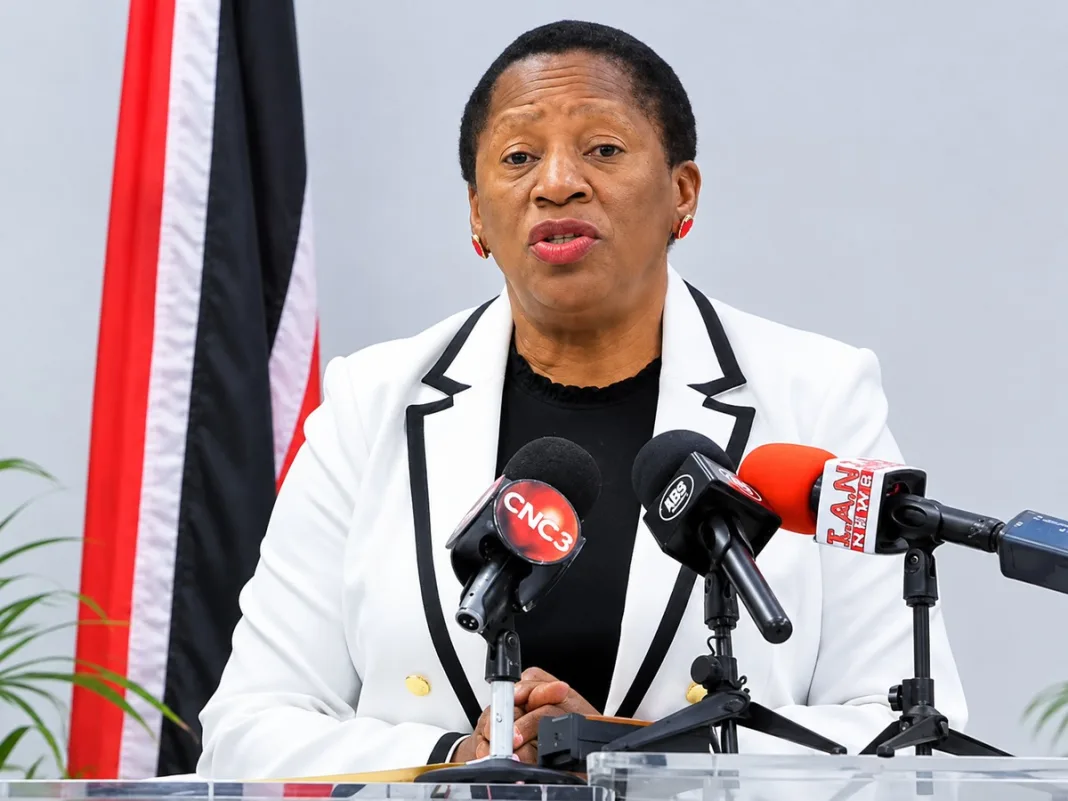
Prime Minister 𝐊𝐚𝐦𝐥𝐚 𝐏𝐞𝐫𝐬𝐚𝐝-𝐁𝐢𝐬𝐬𝐞𝐬𝐬𝐚𝐫 believes the change in the US Congress will have little impact on Trinidad and Tobago’s relationship with Washington.
But can we seriously conclude that nothing will change?
The 𝐍𝐨𝐯𝐞𝐦𝐛𝐞𝐫 𝟑, 𝟐𝟎𝟐𝟔, midterm elections handed Democrats control of both chambers of Congress. By 𝐍𝐨𝐯𝐞𝐦𝐛𝐞𝐫 𝟓, Democrats had secured at least 𝟓𝟒 𝐒𝐞𝐧𝐚𝐭𝐞 𝐬𝐞𝐚𝐭𝐬 and gained at least 𝟑𝟎 𝐇𝐨𝐮𝐬𝐞 𝐬𝐞𝐚𝐭𝐬.
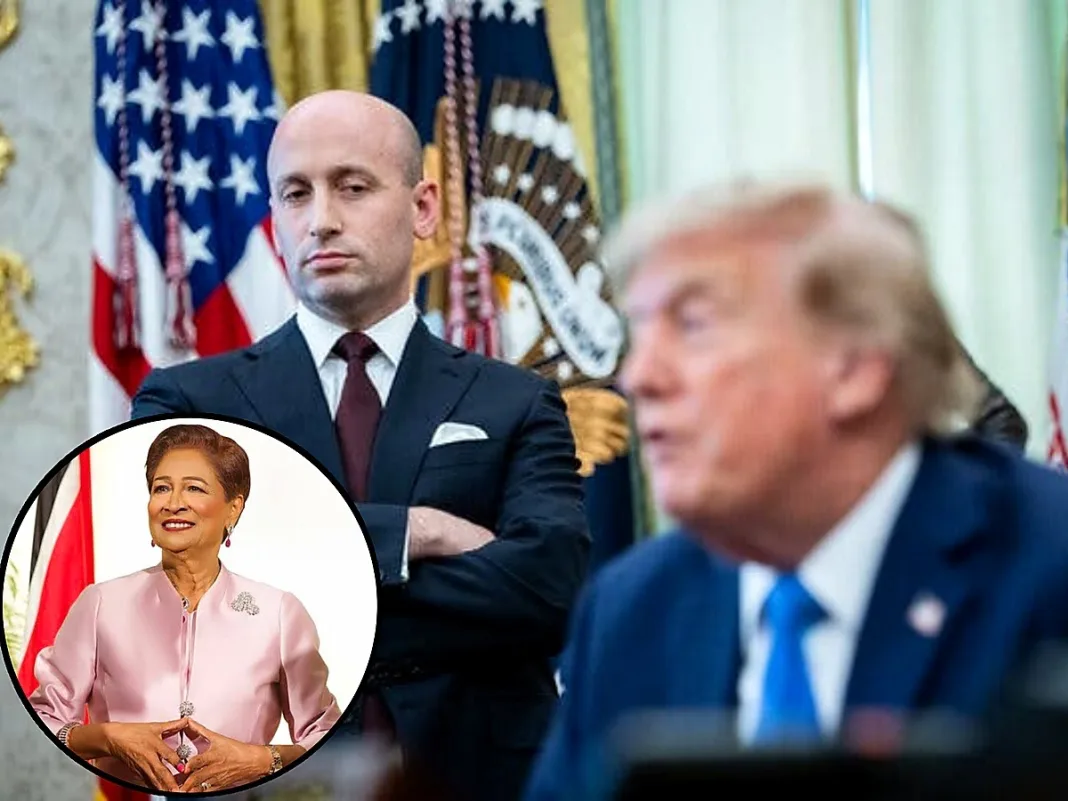
President 𝐃𝐨𝐧𝐚𝐥𝐝 𝐓𝐫𝐮𝐦𝐩 retains the White House, his veto and executive authority. But Congress controls appropriations, confirms senior appointments through the Senate, and possesses extensive investigative powers.
Even Vice-President 𝐉𝐃 𝐕𝐚𝐧𝐜𝐞 has publicly blamed the Iran war for Republican losses, while Trump continues defending the conflict. Foreign policy has become a domestic political liability.
There are 𝐭𝐰𝐨 𝐫𝐞𝐚𝐬𝐨𝐧𝐬 an executive-only diplomatic strategy exposes Trinidad and Tobago.
𝐅𝐈𝐑𝐒𝐓: 𝐇𝐈𝐒𝐓𝐎𝐑𝐘 𝐃𝐎𝐄𝐒 𝐍𝐎𝐓 𝐅𝐀𝐕𝐎𝐔𝐑 𝐓𝐇𝐄 𝐈𝐍𝐂𝐔𝐌𝐁𝐄𝐍𝐓.
Between 𝟏𝟗𝟑𝟒 𝐚𝐧𝐝 𝟐𝟎𝟐𝟐, the sitting president’s party lost House seats in 𝟐𝟎 𝐨𝐟 𝟐𝟑 𝐦𝐢𝐝𝐭𝐞𝐫𝐦 𝐞𝐥𝐞𝐜𝐭𝐢𝐨𝐧𝐬 — 𝐚𝐩𝐩𝐫𝐨𝐱𝐢𝐦𝐚𝐭𝐞𝐥𝐲 𝟖𝟕%.
President 𝐁𝐚𝐫𝐚𝐜𝐤 𝐎𝐛𝐚𝐦𝐚 lost 𝟔𝟑 𝐇𝐨𝐮𝐬𝐞 𝐬𝐞𝐚𝐭𝐬 𝐢𝐧 𝟐𝟎𝟏𝟎. Trump’s Republicans lost 𝟒𝟏 𝐢𝐧 𝟐𝟎𝟏𝟖.
Why would a small island state concentrate its diplomatic relationships in the White House when history repeatedly demonstrates the likelihood of congressional reversal?
Affordability, government expenditure, oversight and the next election become competing priorities. Foreign initiatives must compete for funding and political support.
What appeared secure yesterday could face scrutiny tomorrow.
Consider T&T’s support for US military operations in the Caribbean. Families of 𝐂𝐡𝐚𝐝 𝐉𝐨𝐬𝐞𝐩𝐡 𝐚𝐧𝐝 𝐑𝐢𝐬𝐡𝐢 𝐒𝐚𝐦𝐚𝐫𝐨𝐨, two Trinidadians killed in an 𝐎𝐜𝐭𝐨𝐛𝐞𝐫 𝟏𝟒, 𝟐𝟎𝟐𝟓, US boat strike, filed a federal lawsuit in Massachusetts on 𝐉𝐚𝐧𝐮𝐚𝐫𝐲 𝟐𝟕, 𝟐𝟎𝟐𝟔. Their allegations remain subject to litigation.
A Democratic-controlled Congress could investigate such operations. That does not mean an investigation involving T&T has already begun.
This makes Persad-Bissessar’s 𝐉𝐚𝐧𝐮𝐚𝐫𝐲 𝟐𝟎, 𝟐𝟎𝟐𝟓, condemnation of the Democrats’ “𝑤𝑜𝑘𝑒, 𝑒𝑥𝑡𝑟𝑒𝑚𝑒 𝑙𝑒𝑓𝑡-𝑤𝑖𝑛𝑔 𝑎𝑔𝑒𝑛𝑑𝑎” diplomatically relevant.
How does one now engage politicians previously dismissed in such terms?
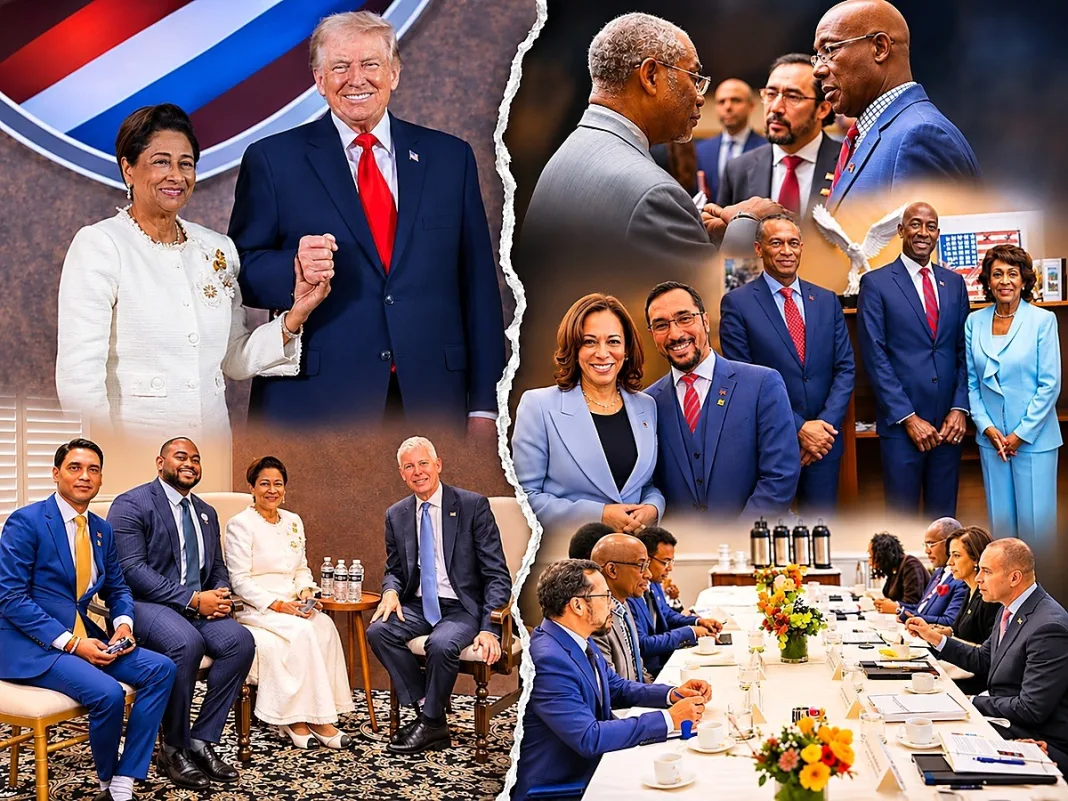
Former Prime Minister 𝐃𝐫 𝐊𝐞𝐢𝐭𝐡 𝐑𝐨𝐰𝐥𝐞𝐲 maintained engagement across Washington’s political institutions.
On 𝐉𝐮𝐥𝐲 𝟔, 𝟐𝟎𝟐𝟑, Rowley met US House Democratic Leader 𝐇𝐚𝐤𝐞𝐞𝐦 𝐉𝐞𝐟𝐟𝐫𝐢𝐞𝐬 during a congressional delegation’s visit to Trinidad and Tobago.
In 𝐉𝐚𝐧𝐮𝐚𝐫𝐲 𝟐𝟎𝟐𝟒, then Energy Minister 𝐒𝐭𝐮𝐚𝐫𝐭 𝐘𝐨𝐮𝐧𝐠 accompanied Rowley to Washington for high-level discussions on energy, investment, trade and national security.
These engagements demonstrate the importance of relationships beyond one American administration.
Energy diplomacy involves Congress, regulators, financiers, sanctions and cross-border agreements.
The economic stakes are substantial. According to the US Trade Representative, bilateral goods trade between T&T and America reached 𝐔𝐒$𝟓.𝟖 𝐛𝐢𝐥𝐥𝐢𝐨𝐧 𝐢𝐧 𝟐𝟎𝟐𝟓.
That relationship demands political access across party lines.
Multilateral institutions such as 𝐂𝐀𝐑𝐈𝐂𝐎𝐌, 𝐭𝐡𝐞 𝐎𝐀𝐒 𝐚𝐧𝐝 𝐭𝐡𝐞 𝐔𝐧𝐢𝐭𝐞𝐝 𝐍𝐚𝐭𝐢𝐨𝐧𝐬 provide additional channels for dialogue and disagreement without sacrificing strategic cooperation.
Imagine the advantage today: Trump in the White House, 𝐇𝐚𝐤𝐞𝐞𝐦 𝐉𝐞𝐟𝐟𝐫𝐢𝐞𝐬 𝐩𝐨𝐬𝐢𝐭𝐢𝐨𝐧𝐞𝐝 𝐭𝐨 𝐛𝐞𝐜𝐨𝐦𝐞 𝐒𝐩𝐞𝐚𝐤𝐞𝐫, and established relationships across both parties.
𝐓𝐰𝐨 𝐟𝐫𝐢𝐞𝐧𝐝𝐬 𝐢𝐧 𝐖𝐚𝐬𝐡𝐢𝐧𝐠𝐭𝐨𝐧 𝐚𝐫𝐞 𝐛𝐞𝐭𝐭𝐞𝐫 𝐭𝐡𝐚𝐧 𝐨𝐧𝐞.
The objective should not be to abandon Trump. It should be to maintain executive cooperation while strengthening congressional relationships, including committees responsible for energy, trade, foreign affairs, security and appropriations.
News Desk is the editorial publishing account for Tringlobe Media News, covering breaking news, public affairs, entertainment, community developments and regional stories across Trinidad and Tobago, the Caribbean and internationally.