The key points are temporarily unavailable. You can still read the full Story below.
Main Points
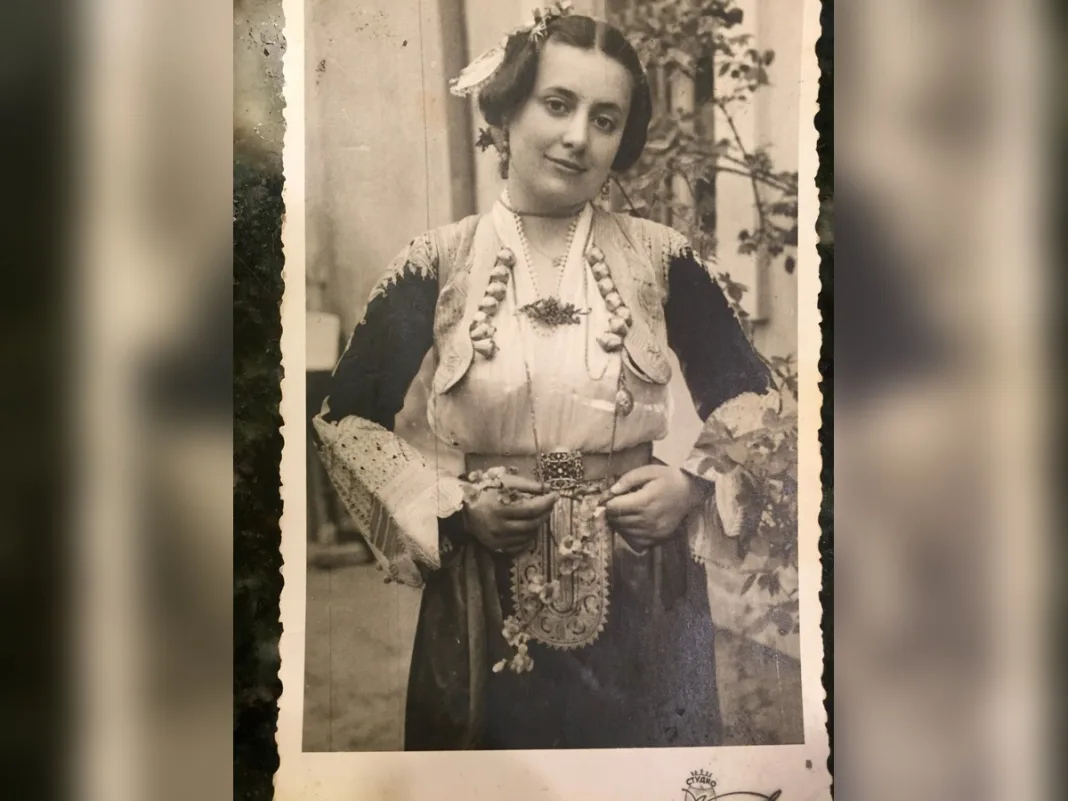
A museum in Gjirokastra brings Musine Kokalari’s opposition to Albania’s communist takeover into focus through personal belongings, writings and photographs. Her story raises a question about public remembrance: how should a political figure denied the chance to finish her defence be heard by later generations? Balkan Insight reported in December 2024 that Arjeta Kokalari, a distant relative, had opened the museum that May in Musine’s former home. The project received support from Cultural Heritage without Borders and the Swedish government. Its exhibits include objects from her years under internment, connecting political persecution with the everyday life of the person who endured it. Born in Adana, Turkey, in 1917 while her father worked there as a judge, Kokalari later returned with her family to Albania. In the 1930s she contributed to newspapers and magazines under the pen name Muza, meaning muse. She studied literature in Rome before returning to Albania. Her political activity challenged the concentration of power taking place during and after the war. In 1943, she helped establish the Social Democratic Party. In 1945, anti-communist groups formed Democratic Unity to offer an alternative in Albania’s first elections after liberation from occupation. Kokalari was arrested in 1946, after two of her brothers had been killed without trial. Communist authorities labelled her an enemy of the people. At her trial in a cinema hall, she was prevented from completing the defence she had prepared, according to historian and archivist Kastriot Dervishi, whom Balkan Insight interviewed. Balkan Insight also examined that defence. In it, Kokalari urged the Western allies to postpone recognition of the communist government and argued for cooperation around a political programme among Albania’s parties. Her opposition was therefore more specific than personal defiance: it involved an attempt to preserve space for an alternative political organisation. She subsequently spent 16 years in prison and another 22 under internment, the report states. Arjeta Kokalari described inadequate recognition and public indifference as reasons for creating the museum. That is her assessment rather than a measurement of national awareness. The museum nevertheless offers a concrete response: a place where visitors can examine Kokalari’s writings and belongings alongside the history of the system that silenced her.
A museum in Gjirokastra brings Musine Kokalari’s opposition to Albania’s communist takeover into focus through personal belongings, writings and photographs. Her story raises a question about public remembrance: how should a political figure denied the chance to finish her defence be heard by later generations? Balkan Insight reported in December 2024 that Arjeta Kokalari, a distant relative, had opened the museum that May in Musine’s former home. The project received support from Cultural Heritage without Borders and the Swedish government. Its exhibits include objects from her years under internment, connecting political persecution with the everyday life of the person who endured it. Born in Adana, Turkey, in 1917 while her father worked there as a judge, Kokalari later returned with her family to Albania. In the 1930s she contributed to newspapers and magazines under the pen name Muza, meaning muse. She studied literature in Rome before returning to Albania. Her political activity challenged the concentration of power taking place during and after the war. In 1943, she helped establish the Social Democratic Party. In 1945, anti-communist groups formed Democratic Unity to offer an alternative in Albania’s first elections after liberation from occupation. Kokalari was arrested in 1946, after two of her brothers had been killed without trial. Communist authorities labelled her an enemy of the people. At her trial in a cinema hall, she was prevented from completing the defence she had prepared, according to historian and archivist Kastriot Dervishi, whom Balkan Insight interviewed. Balkan Insight also examined that defence. In it, Kokalari urged the Western allies to postpone recognition of the communist government and argued for cooperation around a political programme among Albania’s parties. Her opposition was therefore more specific than personal defiance: it involved an attempt to preserve space for an alternative political organisation. She subsequently spent 16 years in prison and another 22 under internment, the report states. Arjeta Kokalari described inadequate recognition and public indifference as reasons for creating the museum. That is her assessment rather than a measurement of national awareness. The museum nevertheless offers a concrete response: a place where visitors can examine Kokalari’s writings and belongings alongside the history of the system that silenced her.
News Desk is the editorial publishing account for Tringlobe Media News, covering breaking news, public affairs, entertainment, community developments and regional stories across Trinidad and Tobago, the Caribbean and internationally.