The key points are temporarily unavailable. You can still read the full Story below.
Main Points
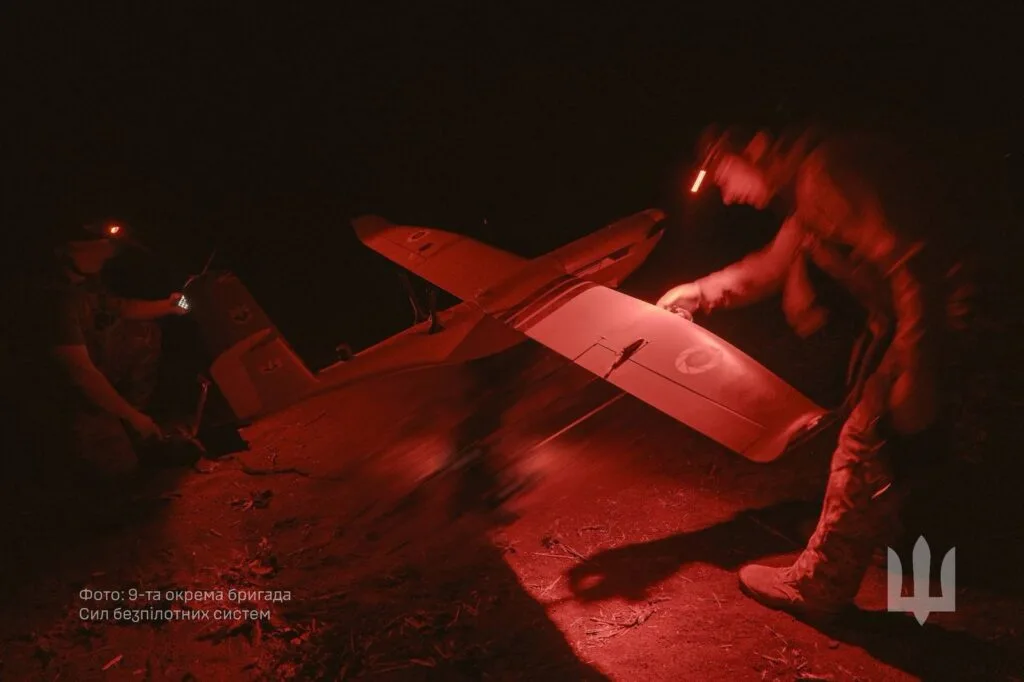
During the month of October, the Ukrainian Armed Forces carried out at least four air‑evacuations of wounded soldiers, Ukrinform reported. The first evacuation involved a severely injured soldier who was transported from the front lines to Kupiansk. Images of the wounded soldier, Kostyantyn Vlasenko, 49, who has both legs amputated, were widely shared online. Vlasenko, who is being considered for the title “Hero of Ukraine,” is currently in recovery and preparing for further treatment. He lost a close comrade to Russian shelling, and attempts to evacuate him using ground robots were reportedly thwarted by enemy action. The second evacuation moved a wounded soldier to Zaporizhzhia. The third and fourth evacuations were conducted in the Kharkiv region in the last days of the month. Eduard Khoroshun, head of the Northern Military Medical Center in Kharkiv, explained that these missions are highly complex. “During these evacuations, doctors remain in the base and monitor the progress of the missions,” he said. He added that drone‑based air evacuation allows severely wounded patients to reach advanced surgical teams as quickly as possible, thereby reducing complications and potential disability. Khoroshun noted that the missions involve detection, drone deployment, electronic warfare support, and medical personnel. “Only through joint efforts can the Armed Forces successfully conduct these evacuations,” he emphasized. Article source: 24 Orë | Image credit: 24 Orë
During the month of October, the Ukrainian Armed Forces carried out at least four air‑evacuations of wounded soldiers, Ukrinform reported. The first evacuation involved a severely injured soldier who was transported from the front lines to Kupiansk. Images of the wounded soldier, Kostyantyn Vlasenko, 49, who has both legs amputated, were widely shared online. Vlasenko, who is being considered for the title “Hero of Ukraine,” is currently in recovery and preparing for further treatment. He lost a close comrade to Russian shelling, and attempts to evacuate him using ground robots were reportedly thwarted by enemy action. The second evacuation moved a wounded soldier to Zaporizhzhia. The third and fourth evacuations were conducted in the Kharkiv region in the last days of the month. Eduard Khoroshun, head of the Northern Military Medical Center in Kharkiv, explained that these missions are highly complex. “During these evacuations, doctors remain in the base and monitor the progress of the missions,” he said. He added that drone‑based air evacuation allows severely wounded patients to reach advanced surgical teams as quickly as possible, thereby reducing complications and potential disability. Khoroshun noted that the missions involve detection, drone deployment, electronic warfare support, and medical personnel. “Only through joint efforts can the Armed Forces successfully conduct these evacuations,” he emphasized.
News Desk is the editorial publishing account for Tringlobe Media News, covering breaking news, public affairs, entertainment, community developments and regional stories across Trinidad and Tobago, the Caribbean and internationally.