The key points are temporarily unavailable. You can still read the full Story below.
Main Points
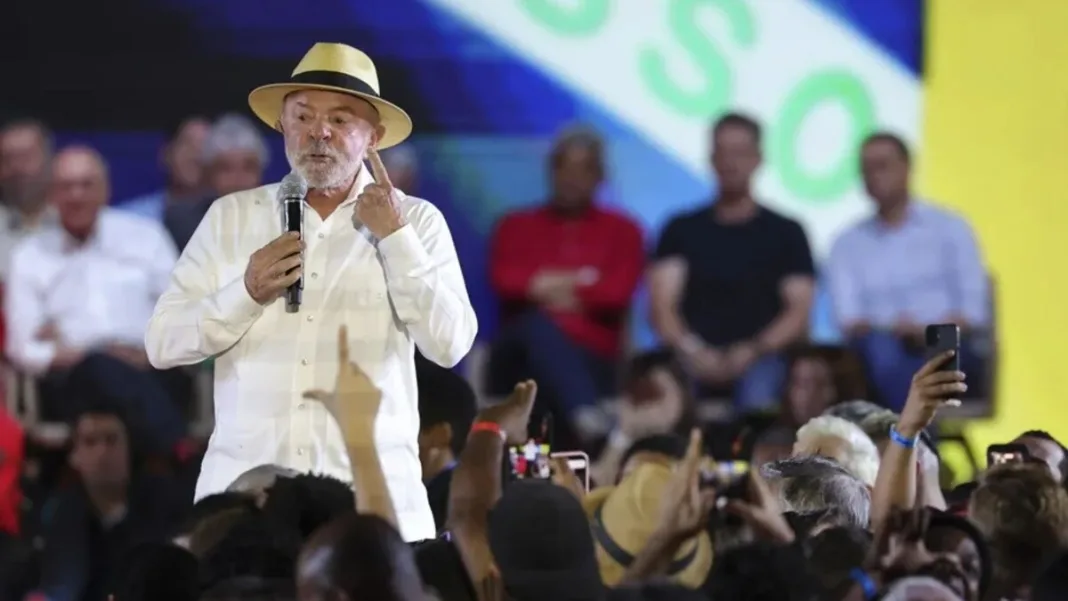
President Luiz Inácio Lula da Silva was declared the winner of Brazil’s presidential election on Sunday, 25 October, after defeating Senator Flávio Bolsonaro in the runoff. Lula secured 51.78 % of the valid votes to Bolsonaro’s 48.22 %, according to the electoral commission’s update that covered 99.98 % of the counted ballots. The result gives Lula a fourth term, which will run from 2027 to 2030, and his second consecutive mandate since returning to office in 2023. In a televised address, Lula said the election outcome reflected a “resounding endorsement of democracy” by the Brazilian people. He thanked voters of all ages, especially young people and seniors, for turning out to vote and emphasized that the campaign had highlighted the importance of the ballot as a safeguard for democratic institutions. Lula also criticized the spread of misinformation during the campaign. He accused some opponents of using false information and alleged that foreign actors had attempted to influence the election through digital platforms. The president announced plans to strengthen regulation of large technology companies operating in Brazil, arguing that crimes committed online should be treated on par with those committed offline. He called for greater transparency and accountability from social‑media firms and pledged to pursue measures that would limit their potential impact on future elections. Regarding governance, Lula acknowledged that the National Congress will contain a significant conservative bloc. He pledged to respect the composition of the legislature as chosen by voters and to maintain institutional dialogue. The president said his administration would work with representatives from all sectors of society to set priorities for the new term, focusing on social policies, public security, and economic challenges. In a separate statement, Lula reaffirmed Brazil’s commitment to national sovereignty. He rejected any attempts to subordinate the country’s political and economic decisions to foreign interests and reiterated his support for a foreign‑policy framework that prioritizes Brazil’s autonomy. Lula, who will turn 81 on 27 October, said he would dedicate the upcoming term to strengthening social programs, improving security, and addressing the country’s economic issues. The president’s victory marks a continuation of his leadership after his 2023‑2026 term and underscores the ongoing political contest between his Workers’ Party and the opposition. Article source: De Ultimo Minuto | Image credit: De Ultimo Minuto
President Luiz Inácio Lula da Silva was declared the winner of Brazil’s presidential election on Sunday, 25 October, after defeating Senator Flávio Bolsonaro in the runoff. Lula secured 51.78 % of the valid votes to Bolsonaro’s 48.22 %, according to the electoral commission’s update that covered 99.98 % of the counted ballots. The result gives Lula a fourth term, which will run from 2027 to 2030, and his second consecutive mandate since returning to office in 2023. In a televised address, Lula said the election outcome reflected a “resounding endorsement of democracy” by the Brazilian people. He thanked voters of all ages, especially young people and seniors, for turning out to vote and emphasized that the campaign had highlighted the importance of the ballot as a safeguard for democratic institutions. Lula also criticized the spread of misinformation during the campaign. He accused some opponents of using false information and alleged that foreign actors had attempted to influence the election through digital platforms. The president announced plans to strengthen regulation of large technology companies operating in Brazil, arguing that crimes committed online should be treated on par with those committed offline. He called for greater transparency and accountability from social‑media firms and pledged to pursue measures that would limit their potential impact on future elections. Regarding governance, Lula acknowledged that the National Congress will contain a significant conservative bloc. He pledged to respect the composition of the legislature as chosen by voters and to maintain institutional dialogue. The president said his administration would work with representatives from all sectors of society to set priorities for the new term, focusing on social policies, public security, and economic challenges. In a separate statement, Lula reaffirmed Brazil’s commitment to national sovereignty. He rejected any attempts to subordinate the country’s political and economic decisions to foreign interests and reiterated his support for a foreign‑policy framework that prioritizes Brazil’s autonomy. Lula, who will turn 81 on 27 October, said he would dedicate the upcoming term to strengthening social programs, improving security, and addressing the country’s economic issues. The president’s victory marks a continuation of his leadership after his 2023‑2026 term and underscores the ongoing political contest between his Workers’ Party and the opposition.
News Desk is the editorial publishing account for Tringlobe Media News, covering breaking news, public affairs, entertainment, community developments and regional stories across Trinidad and Tobago, the Caribbean and internationally.