The key points are temporarily unavailable. You can still read the full Story below.
Main Points
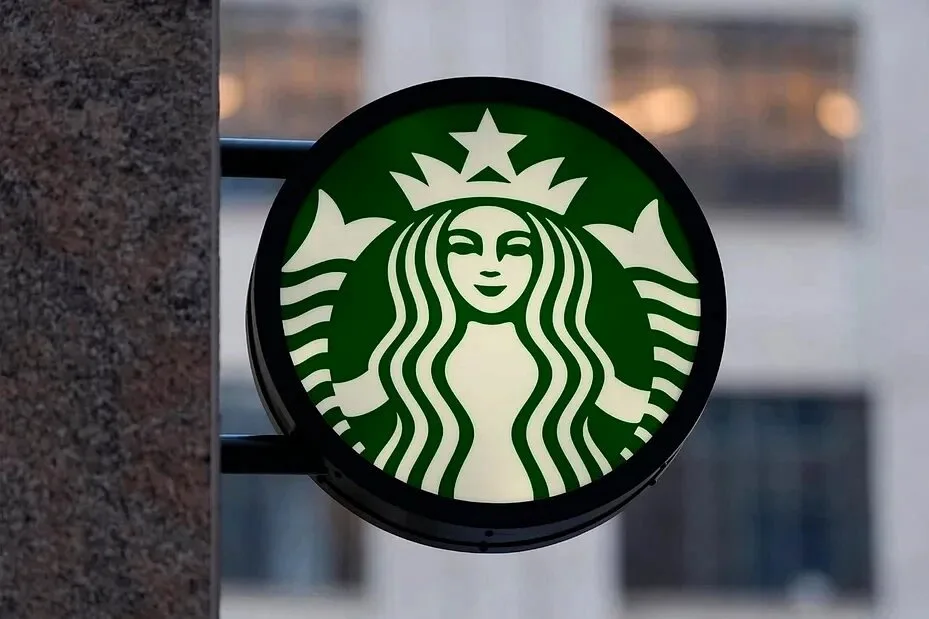
Starbucks in Taiwan began charging an additional 15 NTD for certain customization options on some drinks on 12 October. The fee applies to drinks that are ordered with less ice, no ice, or with added milk or other beverage components that deviate from the standard recipe. The company had previously announced the change on its website, but the notice has since been removed. Restaurant consultant Lin Gangyu, founder of Tianwei Enterprise Consulting, said the extra charge is a way for the company to increase gross margin without raising the base price of the drinks. “Charging an extra 15 NTD is definitely helpful for profitability,” he told the media. “Starbucks has a brand premium and, as part of the Uni-President Group, it enjoys cost advantages in raw‑material procurement. Adding a fee for customization is a sensible way to boost margins.” Lin also noted that other costs—staff wages, rent, utilities—are rising, and that Starbucks now operates more than 600 stores in Taiwan. “With so many locations, existing customers can be spread thin, which can hurt same‑store sales. When rent and other overheads stay the same, it’s hard to maintain the same net‑profit margin,” he added. Financial data from the Uni‑President Group’s Taiwan Starbucks operator, You Liao Sheng, show a steady rise in revenue and operating profit over the past five years. In 2018 the company generated 10.912 billion NTD in revenue, 826 million NTD in operating profit and 712 million NTD in net profit. By 2023 revenue had increased to 14.986 billion NTD, operating profit to 941 million NTD and net profit to 760 million NTD. Operating margin fell from 7.57 % in 2018 to 6.28 % in 2023. Net profit for 2024 is projected at 672 million NTD, a decline of about 11.5 % from 2023, with a slight rebound to 681 million NTD in 2025. Starbucks’ store footprint in Taiwan has expanded rapidly. According to the company’s U.S. annual report, there were 458 stores in Taiwan at the end of September 2018, 592 at the end of September 2025, and the chain announced in May 2024 that it had surpassed 600 stores. Because the U.S. fiscal‑year store count does not align exactly with the period covered by You Liao Sheng’s financial statements, it is difficult to calculate the impact of each additional store on per‑store profitability. Lin said that the effect of opening new stores depends on the market. In dense urban areas with many competitors, the benefit of each new store may diminish more quickly. In contrast, Starbucks has opened specialty stores in tourist destinations, which tend to attract higher‑spending customers and can perform well even in crowded markets. Chinese Culture University assistant professor Zheng Guiyin, who studies consumer behavior, said that Starbucks’ decision to add a fee for customization rather than raise the base price is a strategy to increase revenue without altering the perceived value of the product. “The key is whether customers see the fee as an additional choice or as a loss of a previously free service,” he explained. He cited examples from other industries, such as EVA Air’s seat‑selection fee introduced in 2019 and a Japanese fast‑food chain that temporarily charged for free refills before reverting to the original policy. “Price can be set, but value is determined by the customer’s perception,” Zheng added. Starbucks has not yet responded to inquiries about the rationale behind the customization fee. Article source: United Daily News | Image credit: United Daily News
Starbucks in Taiwan began charging an additional 15 NTD for certain customization options on some drinks on 12 October. The fee applies to drinks that are ordered with less ice, no ice, or with added milk or other beverage components that deviate from the standard recipe. The company had previously announced the change on its website, but the notice has since been removed. Restaurant consultant Lin Gangyu, founder of Tianwei Enterprise Consulting, said the extra charge is a way for the company to increase gross margin without raising the base price of the drinks. “Charging an extra 15 NTD is definitely helpful for profitability,” he told the media. “Starbucks has a brand premium and, as part of the Uni-President Group, it enjoys cost advantages in raw‑material procurement. Adding a fee for customization is a sensible way to boost margins.” Lin also noted that other costs—staff wages, rent, utilities—are rising, and that Starbucks now operates more than 600 stores in Taiwan. “With so many locations, existing customers can be spread thin, which can hurt same‑store sales. When rent and other overheads stay the same, it’s hard to maintain the same net‑profit margin,” he added. Financial data from the Uni‑President Group’s Taiwan Starbucks operator, You Liao Sheng, show a steady rise in revenue and operating profit over the past five years. In 2018 the company generated 10.912 billion NTD in revenue, 826 million NTD in operating profit and 712 million NTD in net profit. By 2023 revenue had increased to 14.986 billion NTD, operating profit to 941 million NTD and net profit to 760 million NTD. Operating margin fell from 7.57 % in 2018 to 6.28 % in 2023. Net profit for 2024 is projected at 672 million NTD, a decline of about 11.5 % from 2023, with a slight rebound to 681 million NTD in 2025. Starbucks’ store footprint in Taiwan has expanded rapidly. According to the company’s U.S. annual report, there were 458 stores in Taiwan at the end of September 2018, 592 at the end of September 2025, and the chain announced in May 2024 that it had surpassed 600 stores. Because the U.S. fiscal‑year store count does not align exactly with the period covered by You Liao Sheng’s financial statements, it is difficult to calculate the impact of each additional store on per‑store profitability. Lin said that the effect of opening new stores depends on the market. In dense urban areas with many competitors, the benefit of each new store may diminish more quickly. In contrast, Starbucks has opened specialty stores in tourist destinations, which tend to attract higher‑spending customers and can perform well even in crowded markets. Chinese Culture University assistant professor Zheng Guiyin, who studies consumer behavior, said that Starbucks’ decision to add a fee for customization rather than raise the base price is a strategy to increase revenue without altering the perceived value of the product. “The key is whether customers see the fee as an additional choice or as a loss of a previously free service,” he explained. He cited examples from other industries, such as EVA Air’s seat‑selection fee introduced in 2019 and a Japanese fast‑food chain that temporarily charged for free refills before reverting to the original policy. “Price can be set, but value is determined by the customer’s perception,” Zheng added. Starbucks has not yet responded to inquiries about the rationale behind the customization fee.
News Desk is the editorial publishing account for Tringlobe Media News, covering breaking news, public affairs, entertainment, community developments and regional stories across Trinidad and Tobago, the Caribbean and internationally.