The key points are temporarily unavailable. You can still read the full Story below.
Main Points
Albania’s archaeological heritage is more than a collection of ancient ruins. It is a record of human activity that researchers, cultural institutions and preservation advocates are working to protect from looting and the illegal movement of historical objects. Butrint, an archaeological site also known by its ancient name, Buthrotum, features prominently in an international effort to safeguard cultural property. The Archaeological Institute of America has highlighted the importance of protecting archaeological resources in Albania through a campaign concerning international agreements designed to restrict the illegal importation of cultural objects. The organization’s published material includes an image identified as the Great Basilica at Butrint, illustrating the kinds of historic places that give the preservation debate its tangible significance. The campaign focuses on the work of the United States Cultural Property Advisory Committee, known as CPAC. According to the institute, the committee makes recommendations to the US president concerning bilateral agreements with countries seeking protection for archaeological objects against looting and illegal export. Before recommending that an agreement be signed or renewed, the committee considers written testimony about a country’s efforts to protect its archaeological heritage and participate in cultural exchange. The institute’s 2026 campaign called attention to requests involving Albania and Nigeria to renew existing agreements, alongside a new request from Romania. It encouraged people familiar with these countries’ cultural heritage to submit letters explaining why protecting archaeological resources matters. The initiative illustrates how the preservation of a site or historical object can involve institutions and members of the public far beyond the country where the heritage originated. For Albania, the issue reaches beyond the physical condition of an archaeological site. Historical objects can provide evidence about earlier societies, artistic practices and cultural connections, while the circumstances in which objects are discovered can be important to understanding their significance. Preventing illicit removal and export is therefore also a question of preserving the information associated with cultural property. The Archaeological Institute of America invited people who had visited Albania, explored its museums, studied its history or attended archaeological lectures to share their experiences with the advisory committee. Its guidance offered examples of how travelers, students, educators and archaeological enthusiasts could explain their connections to the country in written submissions. Butrint’s Great Basilica provides a concrete point of reference for this broader discussion. Rather than treating archaeological remains simply as picturesque landmarks, preservation efforts emphasize their value as cultural resources that require responsible protection. The institute’s campaign demonstrates one way international cultural heritage policy can draw on public engagement, even when the archaeological places being protected lie thousands of kilometres away from those participating in the discussion.
Albania’s archaeological heritage is more than a collection of ancient ruins. It is a record of human activity that researchers, cultural institutions and preservation advocates are working to protect from looting and the illegal movement of historical objects. Butrint, an archaeological site also known by its ancient name, Buthrotum, features prominently in an international effort to safeguard cultural property.
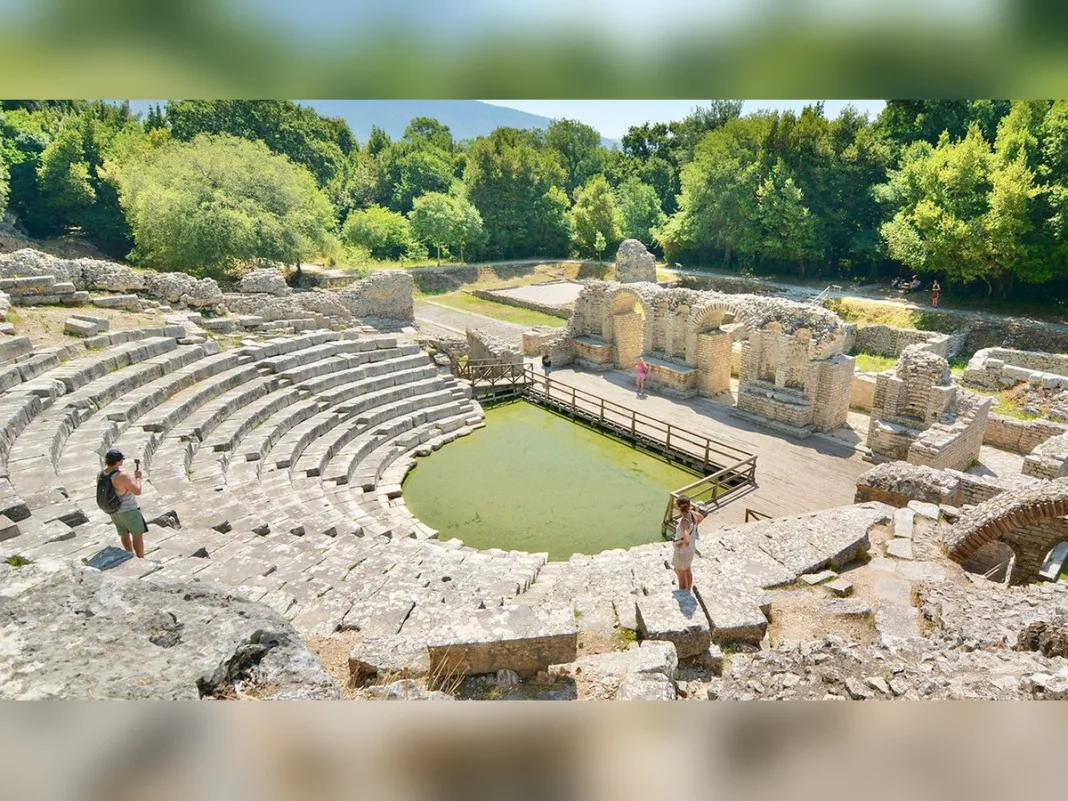
The Archaeological Institute of America has highlighted the importance of protecting archaeological resources in Albania through a campaign concerning international agreements designed to restrict the illegal importation of cultural objects. The organization’s published material includes an image identified as the Great Basilica at Butrint, illustrating the kinds of historic places that give the preservation debate its tangible significance.
The campaign focuses on the work of the United States Cultural Property Advisory Committee, known as CPAC. According to the institute, the committee makes recommendations to the US president concerning bilateral agreements with countries seeking protection for archaeological objects against looting and illegal export. Before recommending that an agreement be signed or renewed, the committee considers written testimony about a country’s efforts to protect its archaeological heritage and participate in cultural exchange.
The institute’s 2026 campaign called attention to requests involving Albania and Nigeria to renew existing agreements, alongside a new request from Romania. It encouraged people familiar with these countries’ cultural heritage to submit letters explaining why protecting archaeological resources matters. The initiative illustrates how the preservation of a site or historical object can involve institutions and members of the public far beyond the country where the heritage originated.
For Albania, the issue reaches beyond the physical condition of an archaeological site. Historical objects can provide evidence about earlier societies, artistic practices and cultural connections, while the circumstances in which objects are discovered can be important to understanding their significance. Preventing illicit removal and export is therefore also a question of preserving the information associated with cultural property.
The Archaeological Institute of America invited people who had visited Albania, explored its museums, studied its history or attended archaeological lectures to share their experiences with the advisory committee. Its guidance offered examples of how travelers, students, educators and archaeological enthusiasts could explain their connections to the country in written submissions.
Butrint’s Great Basilica provides a concrete point of reference for this broader discussion. Rather than treating archaeological remains simply as picturesque landmarks, preservation efforts emphasize their value as cultural resources that require responsible protection. The institute’s campaign demonstrates one way international cultural heritage policy can draw on public engagement, even when the archaeological places being protected lie thousands of kilometres away from those participating in the discussion.
News Desk is the editorial publishing account for Tringlobe Media News, covering breaking news, public affairs, entertainment, community developments and regional stories across Trinidad and Tobago, the Caribbean and internationally.