The key points are temporarily unavailable. You can still read the full Story below.
Main Points
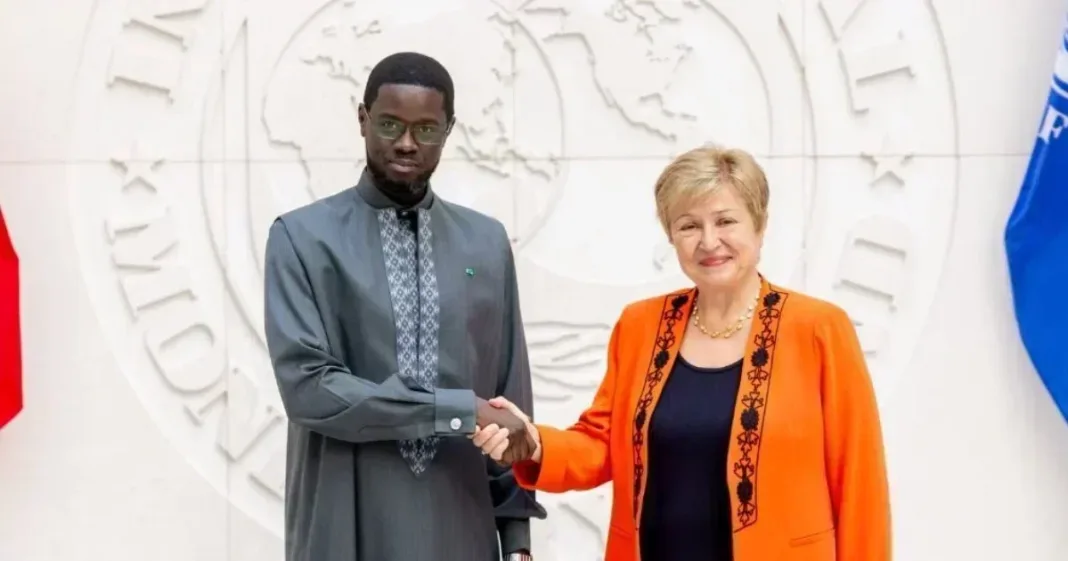
On 1 September, Senegal and the International Monetary Fund (IMF) reached a principle agreement for a 36‑month programme under the Extended Credit Facility, worth approximately 2.2 billion U.S. dollars, or about 1 243 billion francs CFA.
The programme will be financed through a combination of IMF disbursements and guarantees from Senegal’s partners, but the funds remain subject to approval by the IMF’s Executive Board and the implementation of corrective measures related to previously reported financial data errors.
Key components of the agreement include a reduction of subsidies, a fiscal reform aimed at broadening the tax base, and a restructuring of the country’s debt. The IMF will also work with Senegal to improve domestic revenue collection, rationalise public spending and strengthen social protection mechanisms.
Senegal’s public debt reached roughly 132 % of gross domestic product at the end of 2024, according to Reuters. The IMF estimates that the economy grew 6.7 % in 2025, largely driven by oil production, while non‑hydrocarbon growth was 2.2 %.
In the energy sector, the government has already increased fuel prices, raising the price of super‑fuel from 920 to 990 francs CFA per litre and diesel from 680 to 755 francs CFA per litre. The ministry of Economy, led by Cheikh Diba, announced a plan to shift subsidies from a universal system to one that prioritises vulnerable households, public transport and essential activities.
Electricity subsidies are also set for reform. The government aims to reduce the overall subsidy burden by about 30 % and to target assistance to low‑income
Article source: www.senenews.com | Image credit: www.senenews.com