The key points are temporarily unavailable. You can still read the full Story below.
Main Points
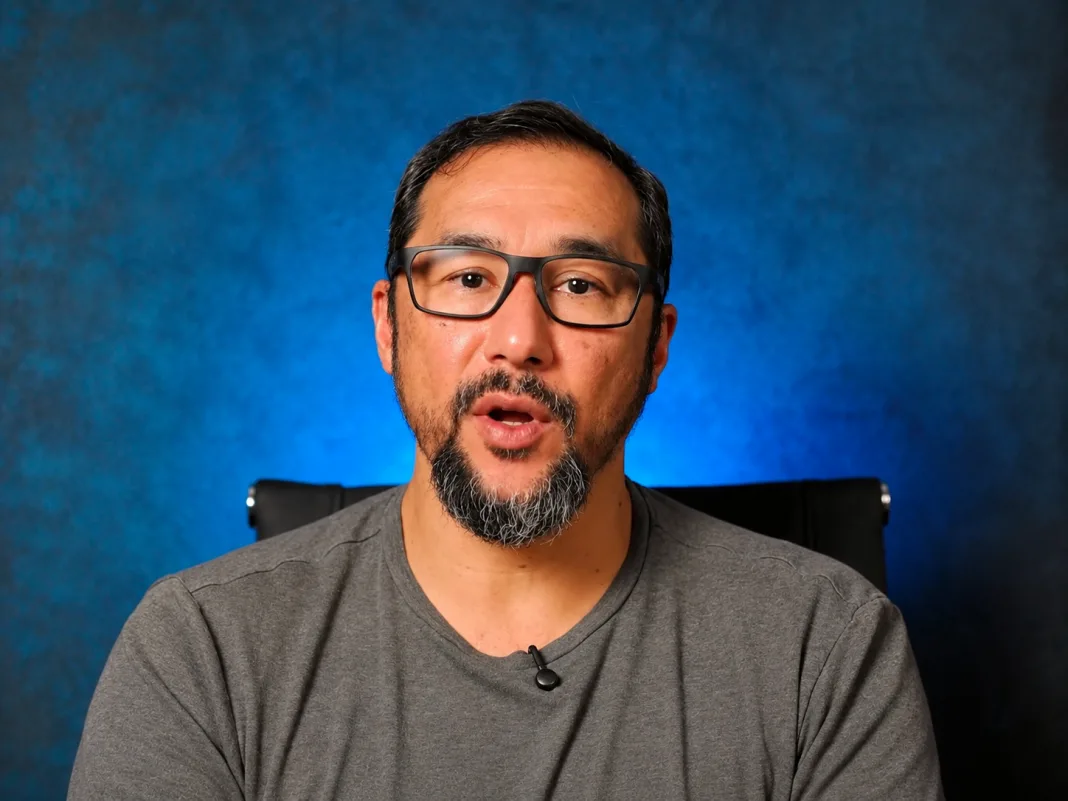
Former energy minister Stuart Young has argued that Trinidad and Tobago’s pursuit of cross-border and Venezuelan gas is directly tied to the country’s ability to fund public services, maintain subsidies and secure its long-term economic future. Speaking on the importance of the country’s gas strategy, Young said revenues generated from natural gas help support education, healthcare and subsidies on services including electricity and water. He argued that younger citizens in particular should pay attention to developments surrounding the country’s gas negotiations because decisions being made today could affect government revenues for years to come. Young used the Loran-Manatee field as one example of the efforts undertaken by the former PNM administration. He said sanctions imposed on Venezuela in 2019 disrupted progress on energy negotiations, prompting Trinidad and Tobago to pursue an arrangement that would allow development of the Manatee portion of the field in Trinidad and Tobago’s waters separately from Venezuela’s Loran portion. Shell subsequently announced a final investment decision in 2024 for the Manatee project. Young also addressed the Cocuina-Manakin field, saying an OFAC licence obtained from the United States in 2024 allowed Trinidad and Tobago, NGC and BP to advance discussions involving Venezuela. He said Trinidad and Tobago later secured a 20-year exploration and production licence covering the Cocuina portion in Venezuelan waters and highlighted efforts to secure a 20 per cent interest for NGC. Young also pointed to the Dragon gas project, recalling the former administration’s negotiations involving Venezuela, NGC and Shell. However, much of his intervention centred on who participates directly in negotiations over Venezuelan gas. Young warned that Trinidad and Tobago could be placed at a disadvantage if it is not at the table when commercial arrangements and terms are being negotiated. He argued that international energy companies naturally seek terms favourable to their businesses and shareholders, making direct government involvement important when Trinidad and Tobago’s national interests are at stake. Young compared the situation to business partners dividing ownership of a company without one partner being present, warning that the absent party could ultimately be offered less favourable terms. He also criticised the UNC, accusing the party of attacking earlier negotiations pursued by the PNM administration while now embracing opportunities involving cross-border gas. Those comments represent Young’s political assessment of the previous negotiations and should be distinguished from the underlying agreements and licensing arrangements. Young maintained that Trinidad and Tobago should continue seeking direct involvement in negotiations involving Venezuelan gas, arguing that the revenues ultimately generated from those resources could have significant implications for the country's economy and public services. Watch the original video on Instagram Article and image source: instagram.com
Former energy minister Stuart Young has argued that Trinidad and Tobago’s pursuit of cross-border and Venezuelan gas is directly tied to the country’s ability to fund public services, maintain subsidies and secure its long-term economic future.
Speaking on the importance of the country’s gas strategy, Young said revenues generated from natural gas help support education, healthcare and subsidies on services including electricity and water.
He argued that younger citizens in particular should pay attention to developments surrounding the country’s gas negotiations because decisions being made today could affect government revenues for years to come.
Young used the Loran-Manatee field as one example of the efforts undertaken by the former PNM administration.
He said sanctions imposed on Venezuela in 2019 disrupted progress on energy negotiations, prompting Trinidad and Tobago to pursue an arrangement that would allow development of the Manatee portion of the field in Trinidad and Tobago’s waters separately from Venezuela’s Loran portion.
Shell subsequently announced a final investment decision in 2024 for the Manatee project.
Young also addressed the Cocuina-Manakin field, saying an OFAC licence obtained from the United States in 2024 allowed Trinidad and Tobago, NGC and BP to advance discussions involving Venezuela.
He said Trinidad and Tobago later secured a 20-year exploration and production licence covering the Cocuina portion in Venezuelan waters and highlighted efforts to secure a 20 per cent interest for NGC.
Young also pointed to the Dragon gas project, recalling the former administration’s negotiations involving Venezuela, NGC and Shell.
However, much of his intervention centred on who participates directly in negotiations over Venezuelan gas.
Young warned that Trinidad and Tobago could be placed at a disadvantage if it is not at the table when commercial arrangements and terms are being negotiated.
He argued that international energy companies naturally seek terms favourable to their businesses and shareholders, making direct government involvement important when Trinidad and Tobago’s national interests are at stake.
Young compared the situation to business partners dividing ownership of a company without one partner being present, warning that the absent party could ultimately be offered less favourable terms.
He also criticised the UNC, accusing the party of attacking earlier negotiations pursued by the PNM administration while now embracing opportunities involving cross-border gas.
Those comments represent Young’s political assessment of the previous negotiations and should be distinguished from the underlying agreements and licensing arrangements.
Young maintained that Trinidad and Tobago should continue seeking direct involvement in negotiations involving Venezuelan gas, arguing that the revenues ultimately generated from those resources could have significant implications for the country’s economy and public services.
News Desk is the editorial publishing account for Tringlobe Media News, covering breaking news, public affairs, entertainment, community developments and regional stories across Trinidad and Tobago, the Caribbean and internationally.