The key points are temporarily unavailable. You can still read the full Story below.
Main Points
**OTTAWA** — Canada’s economy added a stronger-than-expected 75,000 jobs in July, driving the unemployment rate down to a two-year low of 6.4 per cent, according to Statistics Canada data released on Friday. Economists surveyed in a Reuters poll ahead of the release had predicted a more modest gain of 15,000 jobs. July's employment growth was divided between full-time and part-time work, with the province of Ontario accounting for 52,000 of the new positions. Statistics Canada noted that the country has added 181,000 jobs since April and 196,000 compared to a year ago. The national unemployment rate is down half a percentage point from the previous year. Despite the positive figures, economists cautioned that the labor market remains in recovery and is unlikely to prompt immediate action from the central bank. "It's stronger growth than we were maybe anticipating a few months ago," said CIBC senior economist Andrew Grantham in an interview. He added that the data aligns with GDP figures showing an economic recovery, though slack remains and further progress is needed before anticipating Bank of Canada interest rate hikes. RBC assistant chief economist Nathan Janzen offered a similar assessment in a note to clients, stating, "The labour market is not yet strong." He noted that the unemployment rate remains higher than normal and wage growth slowed, though the market has improved despite U.S. tariff uncertainty and higher energy prices. Average hourly wages increased by 2.8 per cent year-over-year in July, decelerating from a 3.3 per cent growth rate in June. Job gains in July were led by the wholesale and retail trade sectors, which added 21,000 positions, although that sector remains down 50,000 jobs year-over-year. The finance, insurance, real estate, rental, and leasing sector added 18,000 jobs, while professional, scientific, and technical services added 17,000. Conversely, the public administration sector lost 15,000 jobs, and the agricultural sector dropped 9,600 positions. Desjardins managing director Royce Mendes said the labor market faces a long road to recovery. "The latest jobs numbers add to the evidence that businesses are finding ways to navigate the current trade-related uncertainty," Mendes said, projecting that a Bank of Canada interest rate hike is unlikely until 2027. He pointed to the deceleration of annual wage growth, which is now hovering around the rate of inflation, as further evidence that the market has not fully recovered. The Bank of Canada held its key policy rate steady at 2.25 per cent for the sixth consecutive time during its mid-July meeting. According to LSEG Data & Analytics, financial markets priced in roughly a 96 per cent probability that the central bank will hold rates steady again at its upcoming September 2 meeting. Statistics Canada also reported that the unemployment rate for young people held steady at 12.6 per cent in July, down 1.9 percentage points from the previous year. "This is definitely a better summer than what we've seen in the last two years for young people trying to find jobs," Grantham said. Article and image source: prpeak.com
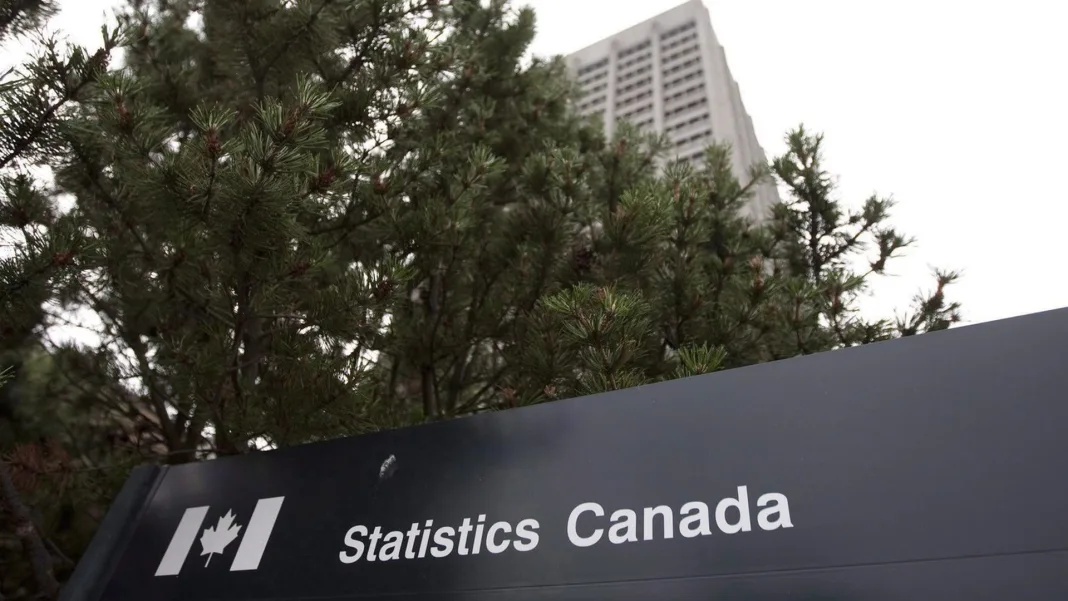
**OTTAWA** — Canada’s economy added a stronger-than-expected 75,000 jobs in July, driving the unemployment rate down to a two-year low of 6.4 per cent, according to Statistics Canada data released on Friday.
Economists surveyed in a Reuters poll ahead of the release had predicted a more modest gain of 15,000 jobs.
July’s employment growth was divided between full-time and part-time work, with the province of Ontario accounting for 52,000 of the new positions. Statistics Canada noted that the country has added 181,000 jobs since April and 196,000 compared to a year ago. The national unemployment rate is down half a percentage point from the previous year.
Despite the positive figures, economists cautioned that the labor market remains in recovery and is unlikely to prompt immediate action from the central bank.
“It’s stronger growth than we were maybe anticipating a few months ago,” said CIBC senior economist Andrew Grantham in an interview. He added that the data aligns with GDP figures showing an economic recovery, though slack remains and further progress is needed before anticipating Bank of Canada interest rate hikes.
RBC assistant chief economist Nathan Janzen offered a similar assessment in a note to clients, stating, “The labour market is not yet strong.” He noted that the unemployment rate remains higher than normal and wage growth slowed, though the market has improved despite U.S. tariff uncertainty and higher energy prices.
Average hourly wages increased by 2.8 per cent year-over-year in July, decelerating from a 3.3 per cent growth rate in June.
Job gains in July were led by the wholesale and retail trade sectors, which added 21,000 positions, although that sector remains down 50,000 jobs year-over-year. The finance, insurance, real estate, rental, and leasing sector added 18,000 jobs, while professional, scientific, and technical services added 17,000. Conversely, the public administration sector lost 15,000 jobs, and the agricultural sector dropped 9,600 positions.
Desjardins managing director Royce Mendes said the labor market faces a long road to recovery. “The latest jobs numbers add to the evidence that businesses are finding ways to navigate the current trade-related uncertainty,” Mendes said, projecting that a Bank of Canada interest rate hike is unlikely until 2027. He pointed to the deceleration of annual wage growth, which is now hovering around the rate of inflation, as further evidence that the market has not fully recovered.
The Bank of Canada held its key policy rate steady at 2.25 per cent for the sixth consecutive time during its mid-July meeting. According to LSEG Data & Analytics, financial markets priced in roughly a 96 per cent probability that the central bank will hold rates steady again at its upcoming September 2 meeting.
Statistics Canada also reported that the unemployment rate for young people held steady at 12.6 per cent in July, down 1.9 percentage points from the previous year.
“This is definitely a better summer than what we’ve seen in the last two years for young people trying to find jobs,” Grantham said.
News Desk is the editorial publishing account for Tringlobe Media News, covering breaking news, public affairs, entertainment, community developments and regional stories across Trinidad and Tobago, the Caribbean and internationally.