The key points are temporarily unavailable. You can still read the full Story below.
Main Points
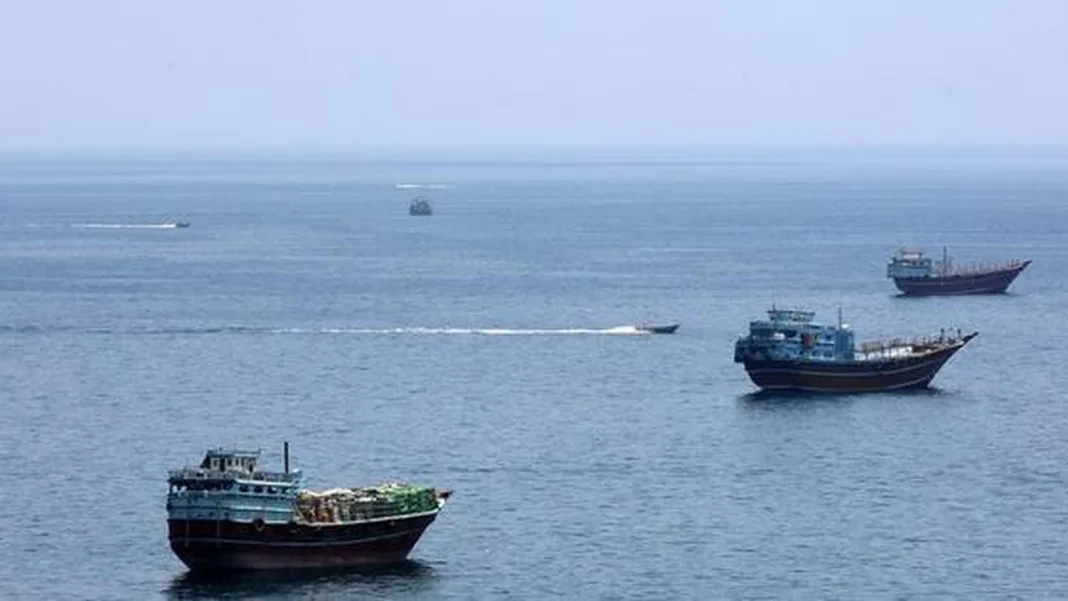
**LONDON/PANAMA CITY** — Transit through the Strait of Hormuz appeared to have come to a virtual standstill on August 14 following attacks on two more vessels, as the United States warned it could maintain a naval blockade of Iran indefinitely.
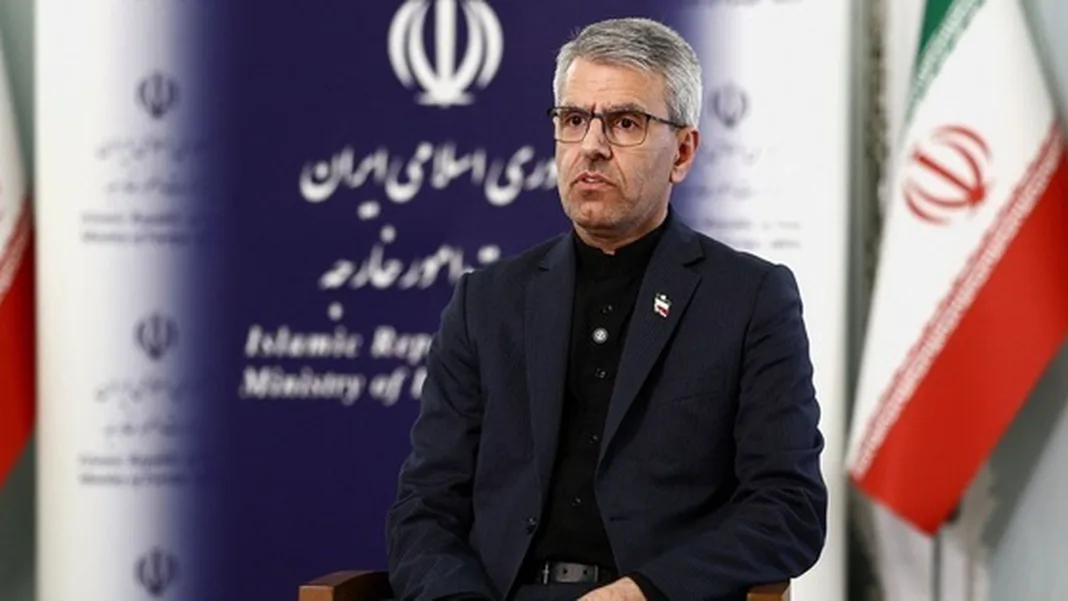
The renewed maritime disruptions follow the breakdown of a June ceasefire agreement. A senior Iranian source stated on August 12 that negotiations to build upon the agreement had failed, prompting Iran to resume attacks on vessels it claims are attempting to pass through the strait without authorization.
The United Arab Emirates state news agency, WAM, reported that two vessels belonging to the state-owned Abu Dhabi National Oil Company were attacked on the evening of August 13 while navigating the strategic waterway. The UAE government blamed Iran for the strikes. Iran did not immediately respond to the accusation.
Ship-tracking data from Kpler showed that nine vessels traversed the narrow waterway on August 13—up from five the previous day, but still below the August daily average of 12 crossings. By early August 14, tracking data recorded no visible vessel crossings, though analysts noted that ships can still transit undetected by turning off their transponders. Traffic remains severely depressed compared to the pre-war baseline of more than 130 daily crossings before the conflict launched by the United States and Israel against Iran in February.
Torbjorn Solvedt, principal Middle East analyst at risk intelligence firm Verisk Maplecroft, noted that the waterway remains a critical pressure point for Tehran. “Alongside the threat to energy infrastructure in the region, Iran’s ability to restrict shipping through the strait is its main source of leverage in negotiations,” he said.
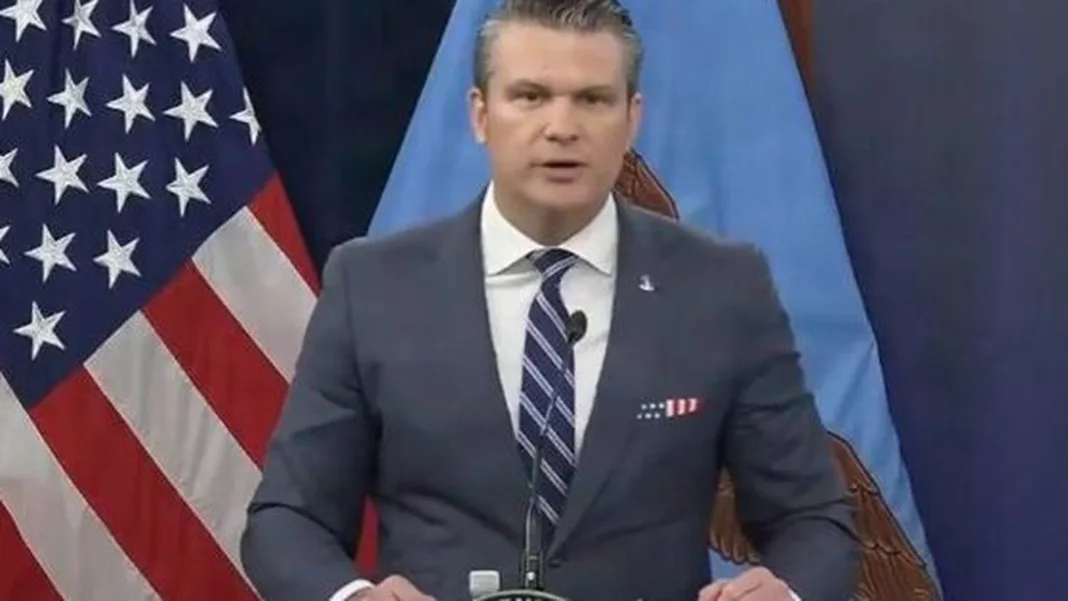
In response, the United States has maintained a naval blockade that has severely damaged Iran’s economy. U.S. Defense Secretary Pete Hegseth told reporters that the military possesses sufficient resources to sustain the naval presence and enforce the blockade indefinitely by rotating ships through the region.
U.S. Treasury Secretary Scott Bessent added that Washington is preparing to escalate financial pressure, stating that new economic measures will be announced the following week.
“Watch this space for more announcements coming next week because we are going to apply measures like have never been seen in the history of economic isolation on a country,” Bessent said in an interview on Newsmax’s “Rob Schmitt Tonight.”
The ongoing conflict has also generated domestic political pressure for U.S. President Donald Trump. The war has faced opposition from segments of the American public, and rising fuel prices have negatively impacted Trump’s approval ratings, potentially threatening Republican control of Congress in the November midterms.
Uncertainty surrounding Middle East shipments has driven Asian nations to secure alternative energy supplies. India increased its dependence on Russian crude to a record level in July, while Asian refineries purchased U.S. crude this week.
While President Trump has repeatedly asserted that the United States holds “total control” over the Strait of Hormuz—which handled roughly one-fifth of the world’s oil and liquefied natural gas supplies prior to the war—Iranian officials have rejected the claim. Tehran maintains that normal shipping will not resume until its demands are met, including the lifting of economic sanctions and the release of frozen foreign assets.
The semi-official Tasnim news agency reported that an Iranian parliamentary committee approved a plan for the strait on August 13, which includes provisions prohibiting vessels and assets belonging to the United States, Israel, and other countries deemed “hostile” from moving through the waterway.
Article and image source: iraqsun.com