The key points are temporarily unavailable. You can still read the full Story below.
Main Points
Only 60% of Iraq’s population has access to safely managed drinking water services, according to fresh data from UN-Water and the Our World in Data platform. This means nearly 40% of Iraqis—millions of people—do not have reliable access to clean water for drinking, cooking, and hygiene.
The figures spotlight a persistent infrastructure gap in both urban and rural areas. While some regions benefit from modern treatment plants, many communities rely on untreated sources or intermittent supply. The lack of safe water contributes to waterborne diseases and places a heavy burden on healthcare.
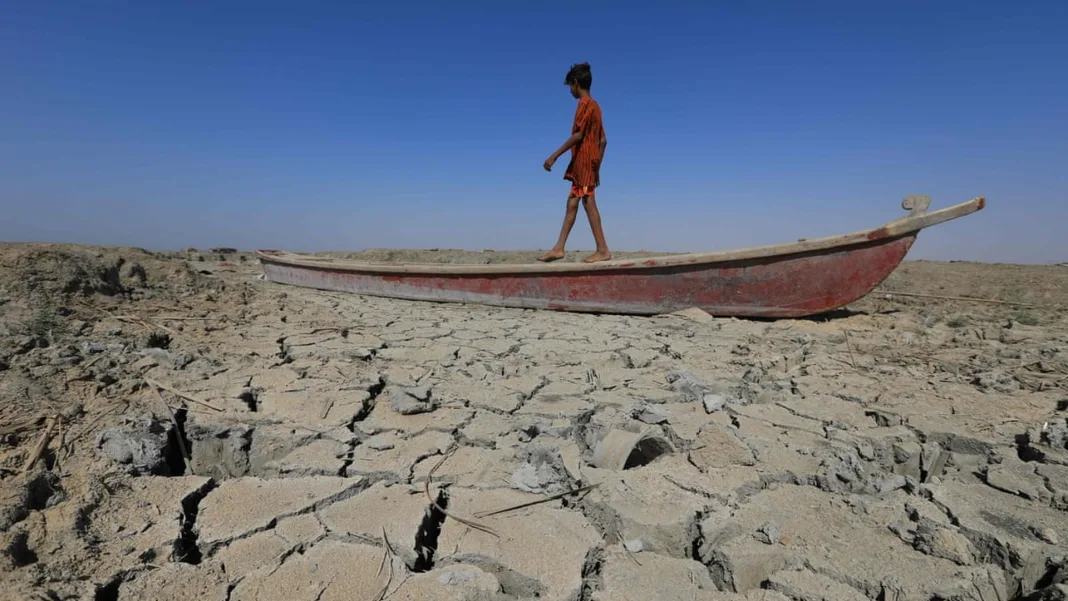
Iraq’s water challenges are compounded by climate change, reduced rainfall, and upstream dam construction in neighboring countries that cuts river flow. Officials have acknowledged the need for urgent investment, but budgets remain constrained.
The report serves as a wake-up call for policymakers and international partners to prioritize water security as a cornerstone of public health and economic stability.
Article source: iraqinews.com | Image credit: The Guardian