The key points are temporarily unavailable. You can still read the full Story below.
Main Points
Has their position changed, or has silence become the safer option? On September 30, 2014, the Trinidad and Tobago Guardian published a commentary by Ashton Maharaj titled “T&T not ready for same sex marriages.” The article reflected the strong religious opposition of the time. The Catholic Church, Sanatan Dharma Maha Sabha and Muslim representatives were among those identified as opposing same-sex unions. Then Maha Sabha Secretary General Satnarine Maharaj insisted that Hindu marriage was between a male and female, while Muslim representative Brother Nobel Khan warned of repercussions for society. Twelve years later, the law has changed. But have the religious voices changed with it? On November 10, 2026, the Judicial Committee of the Privy Council unanimously ruled in favour of LGBTQ+ activist Jason Jones, finding that Sections 13 and 16 of Trinidad and Tobago’s Sexual Offences Act violated constitutional rights insofar as they criminalised private, consensual same-sex relations between adults. The ruling brought a significant chapter of the country’s legal history to a close. The final remedial order remains subject to further submissions. FROM RELIGIOUS UNITY TO SELECTIVE VOICES? The religious resistance was not confined to 2014. On June 11, 2018, following Jones’s initial High Court victory, an interfaith coalition gathered at Archbishop’s House in Port of Spain. Among them were Catholic Archbishop Jason Gordon, Maha Sabha leader Sat Maharaj, ASJA president Yacoob Ali, Evangelical Council president Rev Desmond Austin and Faith Based Network president Winston Mansingh. The leaders, who claimed to represent approximately 90% of the country’s religious population, called for amendments to the Marriage Act to expressly preserve marriage between a biological male and female. They also opposed amendments to the Equal Opportunity Act extending protections to LGBTQ+ people. That was eight years ago. Where is that united front today? Following Tuesday’s ruling, reports have identified three religious voices expressing opposition: Inter-Religious Organisation president Dr Ellis Burris, Imam Lorris Ballack and Spiritual Shouter Baptist Archbishop Barbara Burke. Their objections reportedly centred on divine law and the potential consequences for society. But the wider, organised religious mobilisation witnessed in 2018 has not yet been repeated publicly. That does not mean religious opposition disappeared. The Trinidad and Tobago Council of Evangelical Churches was itself a respondent in the Privy Council proceedings. SILENCE: CONSENT, CAUTION OR CHANGE? Does the apparent silence of other prominent religious bodies mean they now accept the ruling? Not necessarily. Some religious leaders may recognise the authority of the final appellate court. Others may distinguish between religious teachings and the State’s power to punish consensual private conduct. Catholic Archbishop Jason Gordon himself made that distinction in 2018, maintaining the Church’s moral objections while arguing that homosexual acts should not attract criminal punishment. Others may be assessing their response to a judgment delivered barely 24 hours ago. Silence is not proof of consent. But neither should the public be expected to interpret silence as a clear position. Where religious institutions once organised collectively to influence national legislation, their current positions deserve clarification. FIRST GAY SEX, NEXT SAME-SEX MARRIAGE? The Privy Council ruling did not legalise same-sex marriage. It addressed criminal punishment for private sexual conduct between consenting adults. But the wider equality debate has not ended. Following the ruling, PrideTT called for amendments to the Equal Opportunity Act to provide stronger protection against discrimination. That is already a documented next step in the movement’s legislative agenda. Whether same-sex marriage becomes the subject of future legal challenges or parliamentary proposals remains an open question. For religious organisations that previously warned about the consequences of changing the law, the distinction matters. Do they oppose homosexuality as a matter of religious doctrine, or do they believe the State should continue criminalising consensual relationships? And would they oppose legal recognition of same-sex unions even where no religious institution is required to solemnise them? These are three separate questions demanding three separate answers. THE BIGGER QUESTION Trinidad and Tobago has changed considerably since 2014. Its courts have confronted constitutional questions that Parliament had left unresolved, while religious institutions continue to exercise influence over public morality and policy. Perhaps the religious opposition is no longer as unified. Perhaps some leaders have reconsidered their approach. Or perhaps the familiar coalition is simply taking time to respond. None of those explanations can yet be established as fact. What is clear is that yesterday’s judgment has changed the legal landscape, regardless of religious opinion. Twelve years ago, the public debate was whether Trinidad and Tobago was ready for same-sex marriage. Today, consensual same-sex intimacy has constitutional protection from criminalisation. The question is no longer merely what religious leaders believe, but how they intend to respond when their beliefs meet the constitutional rights of others. And as the next debate over equality, discrimination and possibly marriage approaches, their silence today should not be mistaken for a settled position tomorrow.
Has their position changed, or has silence become the safer option?
On September 30, 2014, the Trinidad and Tobago Guardian published a commentary by Ashton Maharaj titled “T&T not ready for same sex marriages.”
The article reflected the strong religious opposition of the time. The Catholic Church, Sanatan Dharma Maha Sabha and Muslim representatives were among those identified as opposing same-sex unions.
Then Maha Sabha Secretary General Satnarine Maharaj insisted that Hindu marriage was between a male and female, while Muslim representative Brother Nobel Khan warned of repercussions for society.
Twelve years later, the law has changed. But have the religious voices changed with it?
On November 10, 2026, the Judicial Committee of the Privy Council unanimously ruled in favour of LGBTQ+ activist Jason Jones, finding that Sections 13 and 16 of Trinidad and Tobago’s Sexual Offences Act violated constitutional rights insofar as they criminalised private, consensual same-sex relations between adults.
The ruling brought a significant chapter of the country’s legal history to a close. The final remedial order remains subject to further submissions.
FROM RELIGIOUS UNITY TO SELECTIVE VOICES?
The religious resistance was not confined to 2014.
On June 11, 2018, following Jones’s initial High Court victory, an interfaith coalition gathered at Archbishop’s House in Port of Spain.
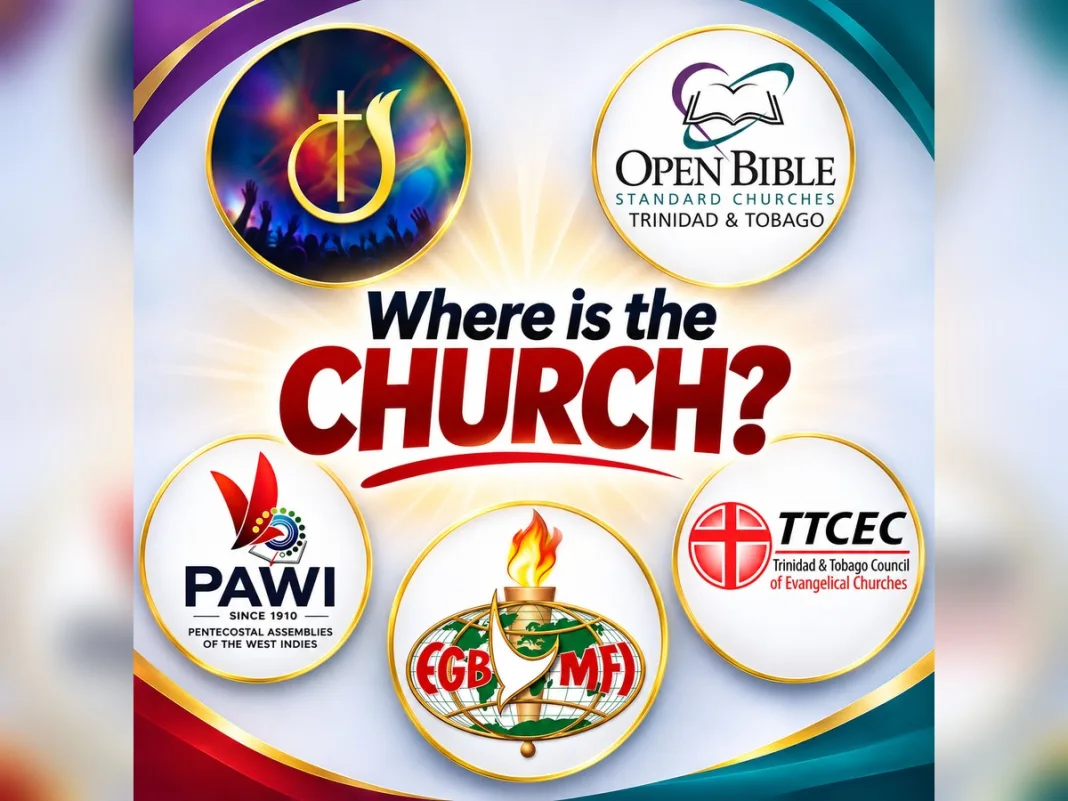
Among them were Catholic Archbishop Jason Gordon, Maha Sabha leader Sat Maharaj, ASJA president Yacoob Ali, Evangelical Council president Rev Desmond Austin and Faith Based Network president Winston Mansingh.
The leaders, who claimed to represent approximately 90% of the country’s religious population, called for amendments to the Marriage Act to expressly preserve marriage between a biological male and female.
They also opposed amendments to the Equal Opportunity Act extending protections to LGBTQ+ people.
That was eight years ago. Where is that united front today?
Following Tuesday’s ruling, reports have identified three religious voices expressing opposition: Inter-Religious Organisation president Dr Ellis Burris, Imam Lorris Ballack and Spiritual Shouter Baptist Archbishop Barbara Burke.
Their objections reportedly centred on divine law and the potential consequences for society.
But the wider, organised religious mobilisation witnessed in 2018 has not yet been repeated publicly.
That does not mean religious opposition disappeared. The Trinidad and Tobago Council of Evangelical Churches was itself a respondent in the Privy Council proceedings.
SILENCE: CONSENT, CAUTION OR CHANGE?
Does the apparent silence of other prominent religious bodies mean they now accept the ruling?
Not necessarily.
Some religious leaders may recognise the authority of the final appellate court. Others may distinguish between religious teachings and the State’s power to punish consensual private conduct.
Catholic Archbishop Jason Gordon himself made that distinction in 2018, maintaining the Church’s moral objections while arguing that homosexual acts should not attract criminal punishment.
Others may be assessing their response to a judgment delivered barely 24 hours ago.
Silence is not proof of consent. But neither should the public be expected to interpret silence as a clear position.
Where religious institutions once organised collectively to influence national legislation, their current positions deserve clarification.
FIRST GAY SEX, NEXT SAME-SEX MARRIAGE?
The Privy Council ruling did not legalise same-sex marriage. It addressed criminal punishment for private sexual conduct between consenting adults.
But the wider equality debate has not ended.
Following the ruling, PrideTT called for amendments to the Equal Opportunity Act to provide stronger protection against discrimination.
That is already a documented next step in the movement’s legislative agenda. Whether same-sex marriage becomes the subject of future legal challenges or parliamentary proposals remains an open question.
For religious organisations that previously warned about the consequences of changing the law, the distinction matters.
Do they oppose homosexuality as a matter of religious doctrine, or do they believe the State should continue criminalising consensual relationships? And would they oppose legal recognition of same-sex unions even where no religious institution is required to solemnise them?
These are three separate questions demanding three separate answers.
THE BIGGER QUESTION
Trinidad and Tobago has changed considerably since 2014. Its courts have confronted constitutional questions that Parliament had left unresolved, while religious institutions continue to exercise influence over public morality and policy.
Perhaps the religious opposition is no longer as unified. Perhaps some leaders have reconsidered their approach. Or perhaps the familiar coalition is simply taking time to respond.
None of those explanations can yet be established as fact.
What is clear is that yesterday’s judgment has changed the legal landscape, regardless of religious opinion.
Twelve years ago, the public debate was whether Trinidad and Tobago was ready for same-sex marriage. Today, consensual same-sex intimacy has constitutional protection from criminalisation.
The question is no longer merely what religious leaders believe, but how they intend to respond when their beliefs meet the constitutional rights of others.
And as the next debate over equality, discrimination and possibly marriage approaches, their silence today should not be mistaken for a settled position tomorrow.
News Desk is the editorial publishing account for Tringlobe Media News, covering breaking news, public affairs, entertainment, community developments and regional stories across Trinidad and Tobago, the Caribbean and internationally.