The key points are temporarily unavailable. You can still read the full Story below.
Main Points
Food plays a crucial role in nourishing the body, supporting growth, enhancing immunity, and preventing disease. However, improper food handling can lead to contamination, resulting in harmful bacteria, viruses, parasites, and toxins that may cause serious health issues.Dr. Tariq Jagnarine, a specialist in Family Medicine and Endocrinology, emphasizes the importance of safe food handling practices. These practices are essential not only in the kitchen but also in various settings where food is prepared and consumed. The risks associated with unsafe food handling can affect anyone, leading to foodborne illnesses that may require medical attention.It is vital for individuals and food service providers to adhere to established guidelines for food safety, which include:Proper cooking methodsSafe food storageEffective sanitation practicesBy implementing these practices, the likelihood of foodborne diseases can be significantly reduced, thereby protecting public health. Dr. Jagnarine's insights highlight that maintaining food safety is a shared responsibility that extends beyond individual households to include restaurants, schools, and other institutions that handle food.Awareness and education on proper food handling techniques are essential for safeguarding health and well-being in the community. Ensuring that everyone is informed about food safety can contribute to a healthier population and reduce the incidence of food-related illnesses. Source: guyanatimesgy.com
Food plays a crucial role in nourishing the body, supporting growth, enhancing immunity, and preventing disease. However, improper food handling can lead to contamination, resulting in harmful bacteria, viruses, parasites, and toxins that may cause serious health issues.
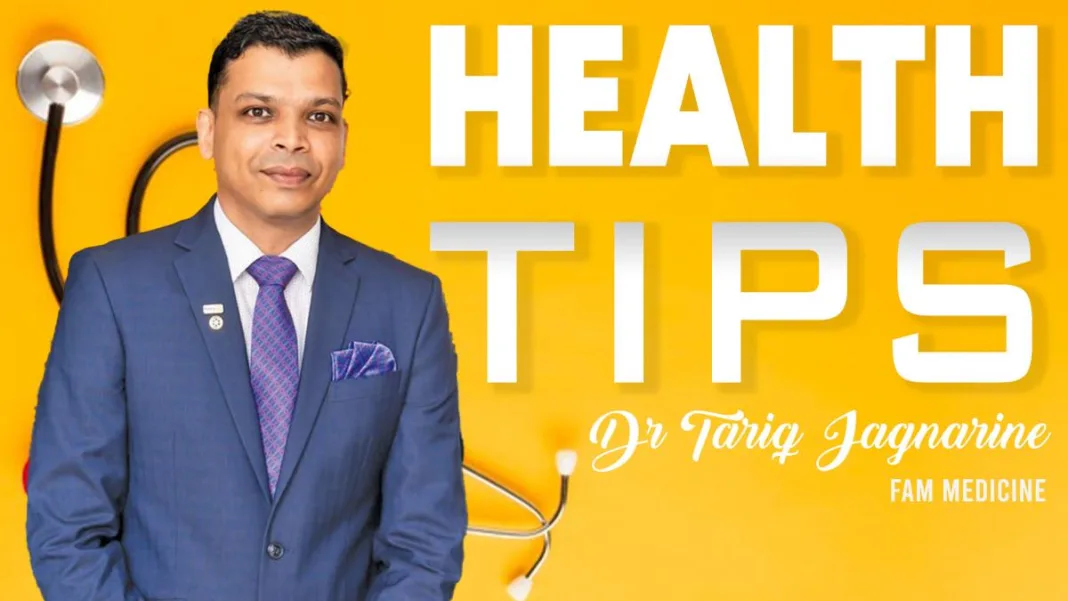
Dr. Tariq Jagnarine, a specialist in Family Medicine and Endocrinology, emphasizes the importance of safe food handling practices. These practices are essential not only in the kitchen but also in various settings where food is prepared and consumed. The risks associated with unsafe food handling can affect anyone, leading to foodborne illnesses that may require medical attention.
It is vital for individuals and food service providers to adhere to established guidelines for food safety, which include:
Proper cooking methods
Safe food storage
Effective sanitation practices
By implementing these practices, the likelihood of foodborne diseases can be significantly reduced, thereby protecting public health. Dr. Jagnarine’s insights highlight that maintaining food safety is a shared responsibility that extends beyond individual households to include restaurants, schools, and other institutions that handle food.
Awareness and education on proper food handling techniques are essential for safeguarding health and well-being in the community. Ensuring that everyone is informed about food safety can contribute to a healthier population and reduce the incidence of food-related illnesses.
News Desk is the editorial publishing account for Tringlobe Media News, covering breaking news, public affairs, entertainment, community developments and regional stories across Trinidad and Tobago, the Caribbean and internationally.