The key points are temporarily unavailable. You can still read the full Story below.
Main Points
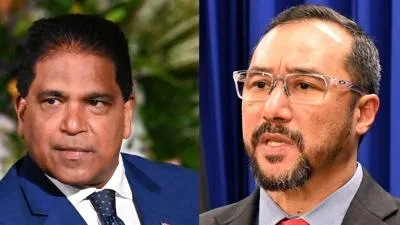
A significant political conflict has arisen between Energy Minister Roodal Moonilal and Opposition Member of Parliament Stuart Young following Young’s recent meeting with Venezuela's interim leadership. Moonilal has raised serious concerns about the intentions behind Young's visit, suggesting that it may undermine Trinidad and Tobago's ongoing energy negotiations with Venezuela. These negotiations are critical, given the country’s reliance on its energy sector for economic stability. Moonilal's apprehensions stem from the fact that Trinidad and Tobago is involved in complex discussions regarding cross-border gas reserves and other international energy partnerships. The minister emphasized the sensitivity of these discussions, which are pivotal to securing the nation’s economic and energy security future. He expressed worries that unsanctioned dialogues might send mixed signals to international parties and potentially compromise strategic interests. In response, Stuart Young has defended his actions, asserting that his intentions were entirely aligned with national interests. He has emphasized his extensive experience in international negotiations, indicating that his engagement with Venezuelan officials was conducted with full awareness of the implications for Trinidad and Tobago. Young insists that his commitment to the country’s energy sector remains steadfast and that his actions were informed by long-term strategic interests. The clash underscores broader concerns over control of the energy narrative within Trinidad and Tobago’s political sphere. The energy sector is a major pillar of the national economy, and any meetings with Venezuelan officials are inherently significant due to the delicate diplomatic relations between the two nations. Young’s meeting, therefore, has implications that extend beyond immediate political sparring and touches on the larger issues of national energy policy and international diplomacy. The incident highlights the critical nature of diplomacy and strategic alignment in international energy negotiations. Trinidad and Tobago, being heavily reliant on its energy sector, must navigate these waters with precision. Both Moonilal and Young play crucial roles in this regard, and their conflict acts as a reminder of the complex interplay between domestic politics and international relations. Join the Trinidad and Tobago WhatsApp update groups: Tringlobe Media news 1Tringlobe Media ShareTringlobe Chat news groupTringlobe Media news 2Tringlobe media news 3Tringlobe Media Weather updatesTringlobe PoliticsTringlobe SportsTringlobe articles newsfeedTringlobe buy sell tradeTringlobe Media 4Tringlobe Media Official ChannelTringlobe media Traffic
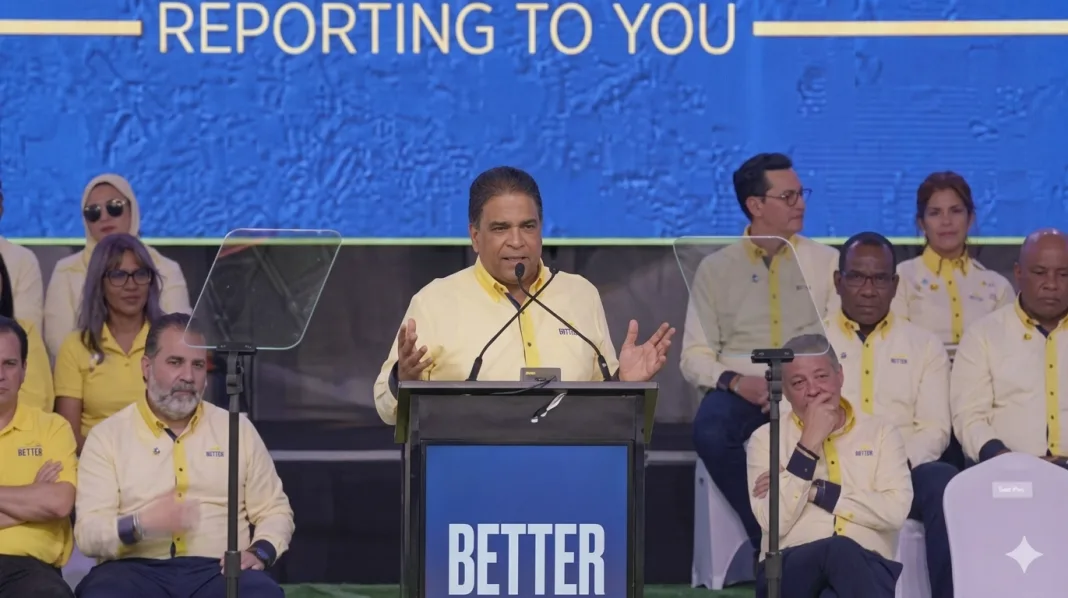
A significant political conflict has arisen between Energy Minister Roodal Moonilal and Opposition Member of Parliament Stuart Young following Young’s recent meeting with Venezuela’s interim leadership. Moonilal has raised serious concerns about the intentions behind Young’s visit, suggesting that it may undermine Trinidad and Tobago’s ongoing energy negotiations with Venezuela. These negotiations are critical, given the country’s reliance on its energy sector for economic stability.
Moonilal’s apprehensions stem from the fact that Trinidad and Tobago is involved in complex discussions regarding cross-border gas reserves and other international energy partnerships. The minister emphasized the sensitivity of these discussions, which are pivotal to securing the nation’s economic and energy security future. He expressed worries that unsanctioned dialogues might send mixed signals to international parties and potentially compromise strategic interests.
In response, Stuart Young has defended his actions, asserting that his intentions were entirely aligned with national interests. He has emphasized his extensive experience in international negotiations, indicating that his engagement with Venezuelan officials was conducted with full awareness of the implications for Trinidad and Tobago. Young insists that his commitment to the country’s energy sector remains steadfast and that his actions were informed by long-term strategic interests.
The clash underscores broader concerns over control of the energy narrative within Trinidad and Tobago’s political sphere. The energy sector is a major pillar of the national economy, and any meetings with Venezuelan officials are inherently significant due to the delicate diplomatic relations between the two nations. Young’s meeting, therefore, has implications that extend beyond immediate political sparring and touches on the larger issues of national energy policy and international diplomacy.
The incident highlights the critical nature of diplomacy and strategic alignment in international energy negotiations. Trinidad and Tobago, being heavily reliant on its energy sector, must navigate these waters with precision. Both Moonilal and Young play crucial roles in this regard, and their conflict acts as a reminder of the complex interplay between domestic politics and international relations.
News Desk is the editorial publishing account for Tringlobe Media News, covering breaking news, public affairs, entertainment, community developments and regional stories across Trinidad and Tobago, the Caribbean and internationally.