The key points are temporarily unavailable. You can still read the full Story below.
Main Points
Sheldon Fraser was released after the Court of Appeal upheld a no-case submission regarding his involvement in the 2009 murder of Sunil Sookdeo. He spent 16 years on remand for charges that were based on what the court ultimately deemed as unreliable evidence. The decision marks a significant moment in Trinidad and Tobago's legal landscape as it highlights concerns about the judicial process, particularly in cases involving prolonged detainees without trial. Fraser was charged with the murder of Sunil Sookdeo, a case that primarily relied on a confession reportedly fabricated by an investigating officer. The legal team representing Fraser, composed of attorneys Michelle Ali, Kamelia Peters, and Tyler Marie Lee-King, argued successfully that the confession should be excluded from evidence due to its dubious nature. The court's decision to dismiss the charges underscores the complexities and challenges within the criminal justice system, especially regarding the reliability of confessions obtained under questionable circumstances. Throughout his lengthy period of remand, Fraser maintained his innocence, but his case experienced numerous procedural delays and setbacks. These issues reflect broader systemic challenges within the judicial system that includes lengthy wait times for trials, impacting those detained but not yet convicted. The collapse of Fraser’s trial, due to the unreliable confession, showcases the critical need for judicial reforms to address such procedural inefficiencies and ensure that justice is served promptly. The case against Fraser underscores the importance of due process rights and the need for rigorous evidence scrutiny by the courts. The implications of this decision may extend beyond Fraser’s acquittal, potentially influencing how similar cases are assessed and managed in the future. Advocates for reform argue that the justice system must avoid relying on flawed evidence to prevent miscarriages of justice. This case has ignited discussions about the efficacy and fairness of the criminal justice system in Trinidad and Tobago, particularly concerning individuals who have been remanded for extended periods. The decision has been widely discussed in legal circles, with calls for comprehensive reviews to prevent similar situations from recurring.
Sheldon Fraser was released after the Court of Appeal upheld a no-case submission regarding his involvement in the 2009 murder of Sunil Sookdeo. He spent 16 years on remand for charges that were based on what the court ultimately deemed as unreliable evidence. The decision marks a significant moment in Trinidad and Tobago’s legal landscape as it highlights concerns about the judicial process, particularly in cases involving prolonged detainees without trial.
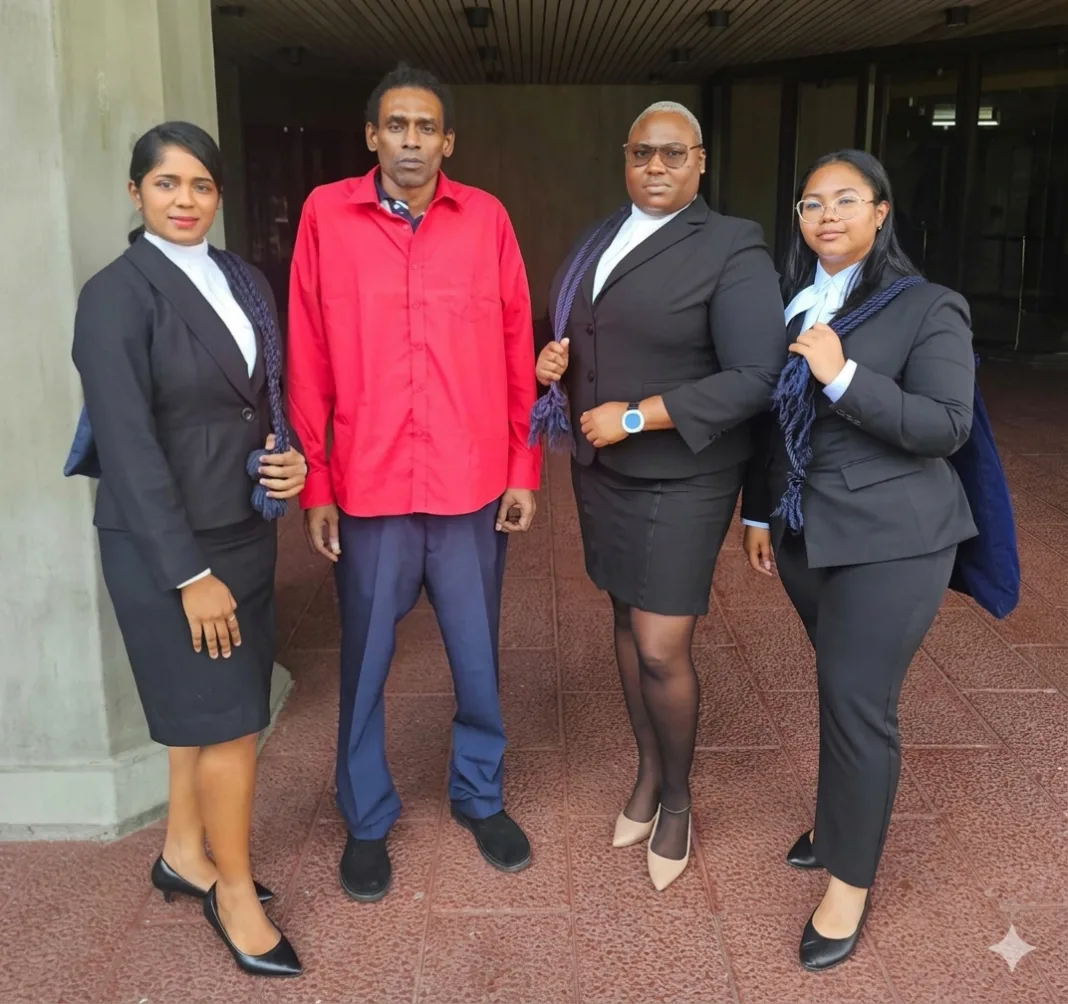
Fraser was charged with the murder of Sunil Sookdeo, a case that primarily relied on a confession reportedly fabricated by an investigating officer. The legal team representing Fraser, composed of attorneys Michelle Ali, Kamelia Peters, and Tyler Marie Lee-King, argued successfully that the confession should be excluded from evidence due to its dubious nature. The court’s decision to dismiss the charges underscores the complexities and challenges within the criminal justice system, especially regarding the reliability of confessions obtained under questionable circumstances.
Throughout his lengthy period of remand, Fraser maintained his innocence, but his case experienced numerous procedural delays and setbacks. These issues reflect broader systemic challenges within the judicial system that includes lengthy wait times for trials, impacting those detained but not yet convicted. The collapse of Fraser’s trial, due to the unreliable confession, showcases the critical need for judicial reforms to address such procedural inefficiencies and ensure that justice is served promptly.
The case against Fraser underscores the importance of due process rights and the need for rigorous evidence scrutiny by the courts. The implications of this decision may extend beyond Fraser’s acquittal, potentially influencing how similar cases are assessed and managed in the future. Advocates for reform argue that the justice system must avoid relying on flawed evidence to prevent miscarriages of justice.
This case has ignited discussions about the efficacy and fairness of the criminal justice system in Trinidad and Tobago, particularly concerning individuals who have been remanded for extended periods. The decision has been widely discussed in legal circles, with calls for comprehensive reviews to prevent similar situations from recurring.
News Desk is the editorial publishing account for Tringlobe Media News, covering breaking news, public affairs, entertainment, community developments and regional stories across Trinidad and Tobago, the Caribbean and internationally.