The key points are temporarily unavailable. You can still read the full Story below.
Main Points
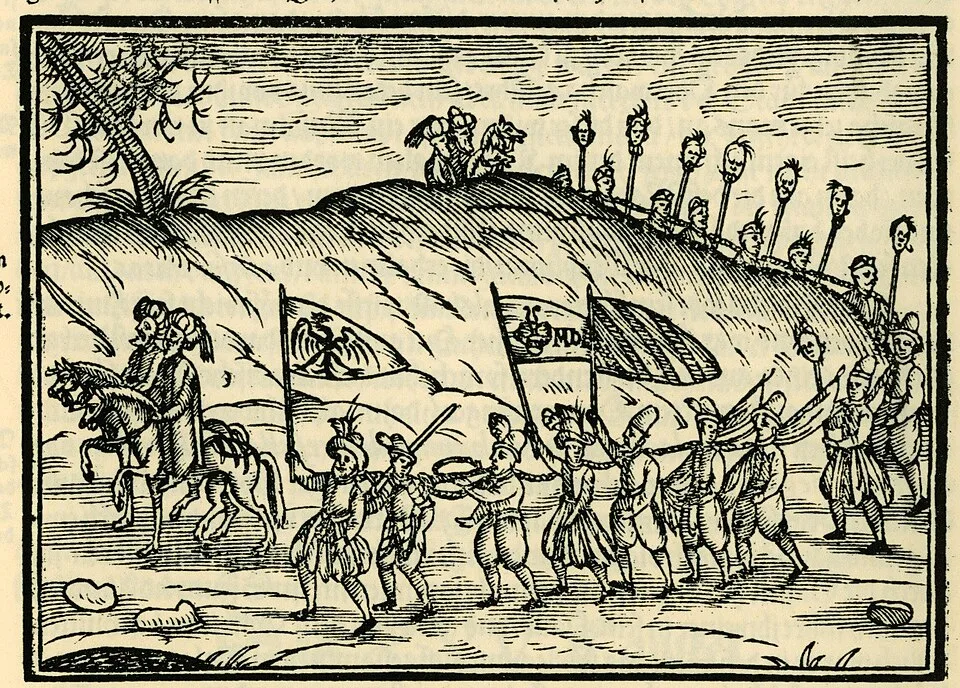
Debate over the Impact of the Ottoman Conquest on Bulgaria’s Population The question of how the Ottoman conquest of the Balkans in the late 15th century affected the Bulgarian population remains a contested topic among historians. Recent discussions have highlighted differing interpretations of demographic loss, cultural change, and the long‑term consequences for Bulgarian society. Historical Estimates of Population Loss Bulgarian historian Christo Ganev has argued that the Ottoman takeover caused a “permanent deformation” of Bulgarian national identity. According to Ganev, the conquest led to a significant loss of life and the systematic removal of Bulgarian households. He estimates that roughly 6,100 households—about 360,000 people—were either killed or enslaved from the Second Bulgarian Empire’s towns and villages. Ganev’s view emphasizes the role of planned destruction and forced migration in erasing Bulgarian presence in the region. Other scholars have approached the issue from a demographic perspective. Demographic statistician Dimitar Arkadiev has compiled estimates of Bulgaria’s medieval population. Drawing on the work of historians such as Vasil Gyuzelev, Yordan Andreev, and Petar Angelov, Arkadiev suggests that by the 1580s the population of Bulgaria was between 2.0 and 2.5 million. This would imply a loss of roughly 17–20 % of the population due to the Ottoman conquest, excluding the additional impact of the Black Death in the 14th century. Socio‑Economic and Cultural Consequences Ganev also discusses the broader socio‑economic fallout of Ottoman rule. He notes the destruction of urban centers, the decline of traditional administrative structures, and the influx of Muslim settlers through colonization and Islamization. According to Ganev, these changes disrupted established rural‑urban relations, weakened agricultural production, and led to a shift in trade and craft guilds, with many Bulgarian merchants and artisans replaced by foreign traders, including Jews and citizens of the Republic of Dubrovnik. The loss of religious and cultural institutions—monasteries and churches—has been cited as a key factor in the erosion of Bulgarian cultural life. Ganev argues that the Ottoman authorities’ discrimination against the Christian faith further undermined the nation’s spiritual and moral fabric. Re‑evaluation in the Post‑Communist Era After the fall of the communist regime in 1989, a new wave of scholarship emerged, often labeled “neoliberal” in its approach. Scholars in this tradition have challenged the notion of a catastrophic population loss. They argue that the Ottoman period did not prevent the natural development of Balkan Christian societies and that the narrative of mass destruction is overstated. A prominent figure in this debate is Dutch historian M. Kiyl, whose work has influenced a number of Bulgarian scholars. Kiyl and his followers contend that the Ottoman conquest brought a form of “permanent peace” and that the empire’s policies allowed for the resettlement and rebuilding of affected areas. They also point to contemporary Turkish historians, such as Ismail Uzunçarşılı, who describe the Ottoman rule as a “liberation from the brutality of previous rulers” and a return to order and justice. Balanced Perspectives While Ganev’s account emphasizes the destructive aspects of Ottoman rule, the post‑1989 scholarship stresses continuity and resilience. Both perspectives draw on archival records, demographic data, and archaeological evidence. The debate underscores the complexity of assessing the long‑term impact of a centuries‑old conquest on a nation’s demographic, cultural, and economic trajectory. The discussion continues to evolve as new research and methodologies—such as genetic studies and advanced demographic modeling—provide additional insights into the historical experience of Bulgaria during the Ottoman period. Article source: 24 Chasa | Image credit: 24 Chasa
Debate over the Impact of the Ottoman Conquest on Bulgaria’s Population The question of how the Ottoman conquest of the Balkans in the late 15th century affected the Bulgarian population remains a contested topic among historians. Recent discussions have highlighted differing interpretations of demographic loss, cultural change, and the long‑term consequences for Bulgarian society. Historical Estimates of Population Loss Bulgarian historian Christo Ganev has argued that the Ottoman takeover caused a “permanent deformation” of Bulgarian national identity. According to Ganev, the conquest led to a significant loss of life and the systematic removal of Bulgarian households. He estimates that roughly 6,100 households—about 360,000 people—were either killed or enslaved from the Second Bulgarian Empire’s towns and villages. Ganev’s view emphasizes the role of planned destruction and forced migration in erasing Bulgarian presence in the region. Other scholars have approached the issue from a demographic perspective. Demographic statistician Dimitar Arkadiev has compiled estimates of Bulgaria’s medieval population. Drawing on the work of historians such as Vasil Gyuzelev, Yordan Andreev, and Petar Angelov, Arkadiev suggests that by the 1580s the population of Bulgaria was between 2.0 and 2.5 million. This would imply a loss of roughly 17–20 % of the population due to the Ottoman conquest, excluding the additional impact of the Black Death in the 14th century. Socio‑Economic and Cultural Consequences Ganev also discusses the broader socio‑economic fallout of Ottoman rule. He notes the destruction of urban centers, the decline of traditional administrative structures, and the influx of Muslim settlers through colonization and Islamization. According to Ganev, these changes disrupted established rural‑urban relations, weakened agricultural production, and led to a shift in trade and craft guilds, with many Bulgarian merchants and artisans replaced by foreign traders, including Jews and citizens of the Republic of Dubrovnik. The loss of religious and cultural institutions—monasteries and churches—has been cited as a key factor in the erosion of Bulgarian cultural life. Ganev argues that the Ottoman authorities’ discrimination against the Christian faith further undermined the nation’s spiritual and moral fabric. Re‑evaluation in the Post‑Communist Era After the fall of the communist regime in 1989, a new wave of scholarship emerged, often labeled “neoliberal” in its approach. Scholars in this tradition have challenged the notion of a catastrophic population loss. They argue that the Ottoman period did not prevent the natural development of Balkan Christian societies and that the narrative of mass destruction is overstated. A prominent figure in this debate is Dutch historian M. Kiyl, whose work has influenced a number of Bulgarian scholars. Kiyl and his followers contend that the Ottoman conquest brought a form of “permanent peace” and that the empire’s policies allowed for the resettlement and rebuilding of affected areas. They also point to contemporary Turkish historians, such as Ismail Uzunçarşılı, who describe the Ottoman rule as a “liberation from the brutality of previous rulers” and a return to order and justice. Balanced Perspectives While Ganev’s account emphasizes the destructive aspects of Ottoman rule, the post‑1989 scholarship stresses continuity and resilience. Both perspectives draw on archival records, demographic data, and archaeological evidence. The debate underscores the complexity of assessing the long‑term impact of a centuries‑old conquest on a nation’s demographic, cultural, and economic trajectory. The discussion continues to evolve as new research and methodologies—such as genetic studies and advanced demographic modeling—provide additional insights into the historical experience of Bulgaria during the Ottoman period.
News Desk is the editorial publishing account for Tringlobe Media News, covering breaking news, public affairs, entertainment, community developments and regional stories across Trinidad and Tobago, the Caribbean and internationally.