The key points are temporarily unavailable. You can still read the full Story below.
Main Points
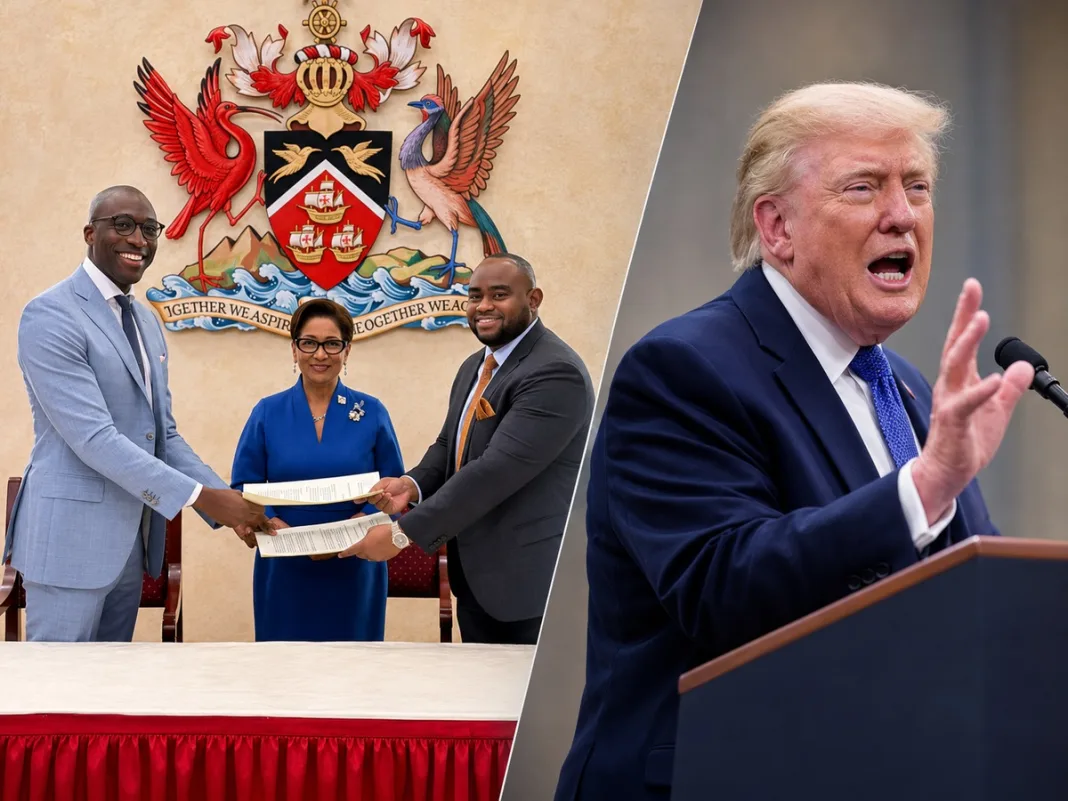
President Donald Trump’s announcement that American companies will not be permitted to build data centres outside the United States has raised serious questions about the credibility, sustainability and future of Trinidad and Tobago’s much-publicised US$5 billion investment pipeline. Speaking at a White House news conference on November 20, Trump declared: “We’re not going to allow our companies to build data centers outside of our country.” He also threatened substantial taxes on companies pursuing overseas projects. However, no formal prohibition, implementation timetable or penalty structure has yet been announced. The announcement comes at an extraordinary moment for Trinidad and Tobago. On November 17, US Assistant Secretary of State Juan Pablo Segura disclosed a pipeline of approximately US$5 billion in potential American investment. Three days later, Foreign and CARICOM Affairs Minister Sean Sobers repeated the announcement in Parliament, specifically identifying data centres, artificial intelligence infrastructure and the Point Lisas steel plant among the proposed investments. The obvious question is: Why would Washington promote investments in overseas data centres while its President announces an intention to penalise American companies for building them? The timing demands clarification, although it does not establish deliberate deception or a coordinated reversal. An MOU is not an investment In July 2026, the Persad-Bissessar administration announced three memoranda of understanding involving Ernst & Young LLP, Hummingbird AI Holdings and Pinnacle Steel and Vanadium Corporation. The proposed projects included a 300-megawatt data centre, a separate 150-megawatt AI facility potentially expanding to 500 megawatts, and the recommissioning of the Point Lisas steel plant. The Government projected more than US$5 billion in potential investment and over 5,000 jobs. However, its own announcement explicitly made these projections conditional upon due diligence and the projects advancing beyond their preliminary stages. Four months later, the public still deserves answers about the actual contractual commitments, confirmed financing, ownership structures, implementation schedules and exposure to changes in American policy. An MOU signals an intention to cooperate. It does not necessarily establish a legally enforceable investment obligation. What Trump’s announcement could mean for T&T If the American administration converts its declaration into enforceable restrictions, the consequences for Trinidad and Tobago could be significant. American companies participating in the proposed data-centre developments might reconsider their capital commitments, restructure their participation, seek exemptions or suspend projects while the legal position is clarified. Crucially, the proposed American restrictions would not automatically invalidate the Point Lisas steel investment or the entire US$5 billion pipeline. Their precise impact would depend on the final policy, the identity of the investors and the contractual structures. Nevertheless, these developments expose a broader vulnerability: Trinidad and Tobago cannot build a sustainable diversification strategy around foreign investment announcements without assessing the policy risks of the countries supplying the capital. There are also unanswered domestic questions about the proposed facilities’ substantial electricity requirements, water consumption, infrastructure costs, environmental safeguards and long-term economic returns. Reverse the question: What did Washington know? Rather than examining only what the Trinidad and Tobago Government announced, attention should also turn to the American administration. Was the US State Department aware of the President’s developing position when its representative promoted investment opportunities in Trinidad and Tobago? Do the proposed projects fall within the restrictions Trump intends to introduce? Have any American financial institutions issued binding commitments, or are these still prospective investments? And will Washington provide assurances that its investment diplomacy towards Trinidad and Tobago remains consistent with its emerging domestic industrial policy? These questions are especially relevant because Trump reportedly acknowledged that he had not discussed the proposed restrictions with his own officials before announcing them. Investment must be measured by delivery, not declarations Stuart Young’s public criticism of the Government over Trump’s announcement brings the issue into the political arena. But the more consequential matter is economic accountability. Prime Minister Kamla Persad-Bissessar’s administration should clarify the exposure of its proposed projects to American policy changes, publish the commercially disclosable terms of the MOUs and distinguish prospective investment from financing already committed. The Government is entitled to pursue foreign investment, just as commentators are entitled to welcome positive developments. But neither political enthusiasm nor international diplomatic assurances eliminates the requirement for due diligence. The real test of economic leadership is not how many billions are announced, but how much capital is actually invested, how many sustainable jobs are created and what measurable value remains in Trinidad and Tobago. An MOU is not a completed investment. An investment pipeline is not money in the bank. And diplomatic goodwill is no substitute for enforceable commercial commitments. Trump’s announcement has not yet destroyed Trinidad and Tobago’s proposed data-centre projects. Maybe Trinidad and Tobago may be eligible to an exemption as experienced in the last rounds of tariffs. It has, however, demonstrated precisely why investment promises require rigorous scrutiny before anyone declares victory. Time will tell as US policy evolves, as I suspect the timing might be linked to recent technological glitches and suspected cyber attacks, that the US is considering from a national security standpoint if data centers outside of the US is strategical safe. Many questions, and few answers as these are still very early days for Trinidad and Tobago. By Dr Mwale Emmanuel Henry | Executive Leadership Strategist mwale.henry@gmail.com
President Donald Trump’s announcement that American companies will not be permitted to build data centres outside the United States has raised serious questions about the credibility, sustainability and future of Trinidad and Tobago’s much-publicised US$5 billion investment pipeline.
Speaking at a White House news conference on November 20, Trump declared:
“We’re not going to allow our companies to build data centers outside of our country.”
He also threatened substantial taxes on companies pursuing overseas projects. However, no formal prohibition, implementation timetable or penalty structure has yet been announced.
The announcement comes at an extraordinary moment for Trinidad and Tobago.
On November 17, US Assistant Secretary of State Juan Pablo Segura disclosed a pipeline of approximately US$5 billion in potential American investment. Three days later, Foreign and CARICOM Affairs Minister Sean Sobers repeated the announcement in Parliament, specifically identifying data centres, artificial intelligence infrastructure and the Point Lisas steel plant among the proposed investments.
The obvious question is: Why would Washington promote investments in overseas data centres while its President announces an intention to penalise American companies for building them?
The timing demands clarification, although it does not establish deliberate deception or a coordinated reversal.
An MOU is not an investment
In July 2026, the Persad-Bissessar administration announced three memoranda of understanding involving Ernst & Young LLP, Hummingbird AI Holdings and Pinnacle Steel and Vanadium Corporation.
The proposed projects included a 300-megawatt data centre, a separate 150-megawatt AI facility potentially expanding to 500 megawatts, and the recommissioning of the Point Lisas steel plant.
The Government projected more than US$5 billion in potential investment and over 5,000 jobs. However, its own announcement explicitly made these projections conditional upon due diligence and the projects advancing beyond their preliminary stages.
Four months later, the public still deserves answers about the actual contractual commitments, confirmed financing, ownership structures, implementation schedules and exposure to changes in American policy.
An MOU signals an intention to cooperate. It does not necessarily establish a legally enforceable investment obligation.
What Trump’s announcement could mean for T&T
If the American administration converts its declaration into enforceable restrictions, the consequences for Trinidad and Tobago could be significant.
American companies participating in the proposed data-centre developments might reconsider their capital commitments, restructure their participation, seek exemptions or suspend projects while the legal position is clarified.
Crucially, the proposed American restrictions would not automatically invalidate the Point Lisas steel investment or the entire US$5 billion pipeline. Their precise impact would depend on the final policy, the identity of the investors and the contractual structures.
Nevertheless, these developments expose a broader vulnerability: Trinidad and Tobago cannot build a sustainable diversification strategy around foreign investment announcements without assessing the policy risks of the countries supplying the capital.
There are also unanswered domestic questions about the proposed facilities’ substantial electricity requirements, water consumption, infrastructure costs, environmental safeguards and long-term economic returns.
Reverse the question: What did Washington know?
Rather than examining only what the Trinidad and Tobago Government announced, attention should also turn to the American administration.
Was the US State Department aware of the President’s developing position when its representative promoted investment opportunities in Trinidad and Tobago?
Do the proposed projects fall within the restrictions Trump intends to introduce?
Have any American financial institutions issued binding commitments, or are these still prospective investments?
And will Washington provide assurances that its investment diplomacy towards Trinidad and Tobago remains consistent with its emerging domestic industrial policy?
These questions are especially relevant because Trump reportedly acknowledged that he had not discussed the proposed restrictions with his own officials before announcing them.
Investment must be measured by delivery, not declarations
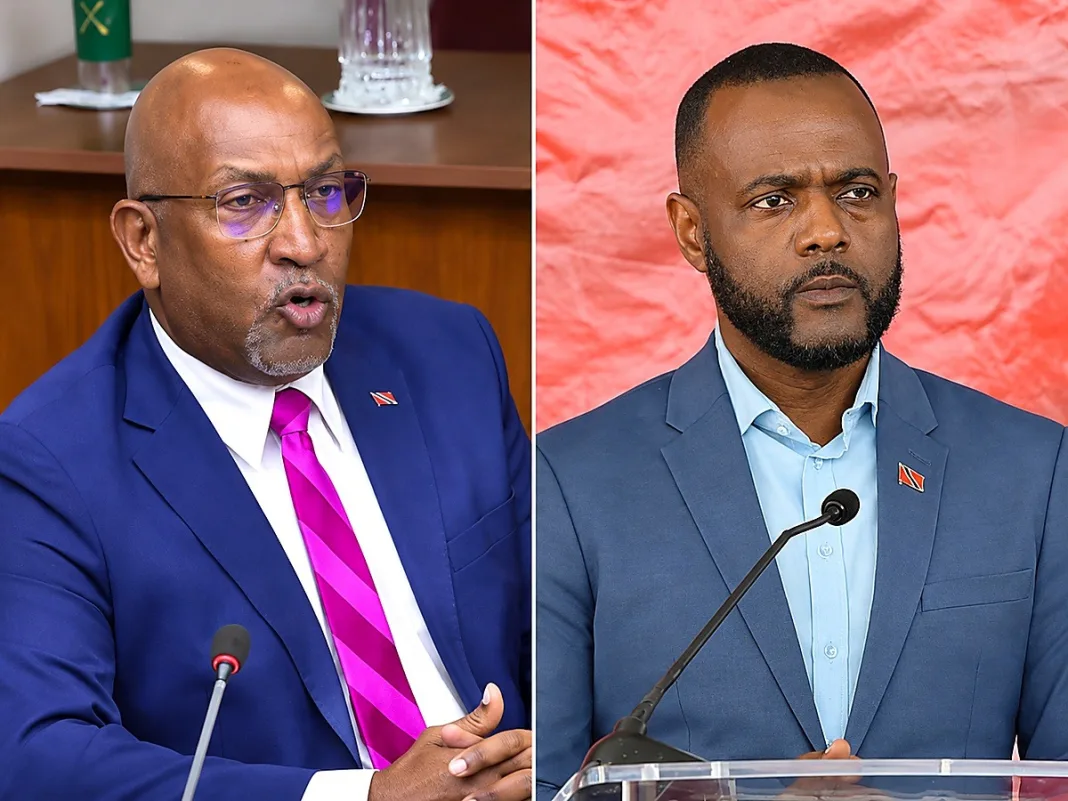
Stuart Young’s public criticism of the Government over Trump’s announcement brings the issue into the political arena. But the more consequential matter is economic accountability.
Prime Minister Kamla Persad-Bissessar’s administration should clarify the exposure of its proposed projects to American policy changes, publish the commercially disclosable terms of the MOUs and distinguish prospective investment from financing already committed.
The Government is entitled to pursue foreign investment, just as commentators are entitled to welcome positive developments. But neither political enthusiasm nor international diplomatic assurances eliminates the requirement for due diligence.
The real test of economic leadership is not how many billions are announced, but how much capital is actually invested, how many sustainable jobs are created and what measurable value remains in Trinidad and Tobago.
An MOU is not a completed investment. An investment pipeline is not money in the bank. And diplomatic goodwill is no substitute for enforceable commercial commitments.
Trump’s announcement has not yet destroyed Trinidad and Tobago’s proposed data-centre projects. Maybe Trinidad and Tobago may be eligible to an exemption as experienced in the last rounds of tariffs. It has, however, demonstrated precisely why investment promises require rigorous scrutiny before anyone declares victory.
Time will tell as US policy evolves, as I suspect the timing might be linked to recent technological glitches and suspected cyber attacks, that the US is considering from a national security standpoint if data centers outside of the US is strategical safe.
Many questions, and few answers as these are still very early days for Trinidad and Tobago.
By Dr Mwale Emmanuel Henry | Executive Leadership Strategist mwale.henry@gmail.com
News Desk is the editorial publishing account for Tringlobe Media News, covering breaking news, public affairs, entertainment, community developments and regional stories across Trinidad and Tobago, the Caribbean and internationally.