The key points are temporarily unavailable. You can still read the full Story below.
Main Points
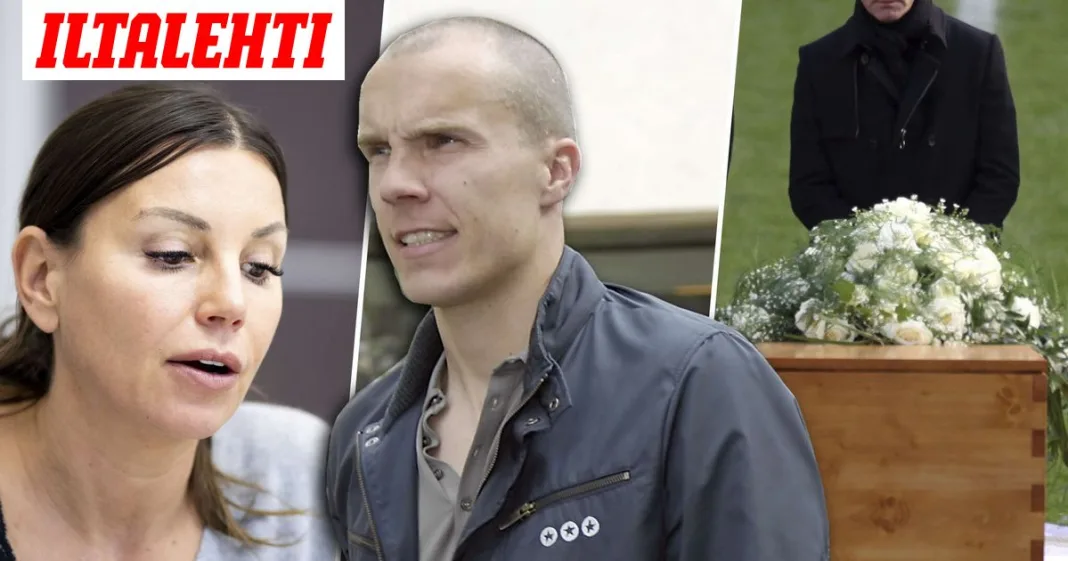
The Life and Legacy of Robert Enke: A Struggle Hidden from the World Robert Enke, the former German national team goalkeeper, died by suicide on November 10, 2009, at the age of 32. His death brought to light a long-standing, private battle with clinical depression that he had successfully concealed from the public and his professional peers throughout his career. Enke’s professional journey was marked by significant highs and lows. In 2002, he joined FC Barcelona as a top-tier signing, choosing the club over offers from Arsenal, Manchester United, and Atlético Madrid. However, his tenure in Spain began with a difficult performance in a Copa del Rey match against the lower-division side Novelda, where Barcelona was eliminated. Enke struggled to secure a starting position and was subsequently loaned to Fenerbahçe in Turkey. His time in Turkey was brief and tumultuous, ending after a single match in which fans directed hostility toward him following a 3–0 loss. Biographers and those close to Enke suggest that his struggle with depression may have begun during these challenging periods in Spain and Turkey. The trauma was compounded in 2006 by the death of his infant daughter, Lara, who suffered from a heart defect. Despite the profound grief, Enke continued his professional career, eventually finding success upon his return to the Bundesliga with Hannover 96. He became the team’s captain, was named the league’s goalkeeper of the year, and was selected by head coach Joachim Löw as the primary candidate for Germany’s 2010 World Cup squad. Observers, including biographer Ronald Reng, have noted that Enke’s upbringing in East Germany—a society where vulnerability was often discouraged and surveillance by the Stasi created a culture of secrecy—contributed to his inability to seek help. Reng, who authored a critically acclaimed biography on the goalkeeper, noted that Enke felt immense pressure to maintain a facade of strength, as the role of a goalkeeper is often viewed as the "last line of defense" in a success-oriented culture. In the months leading up to his death, Enke and his wife, Teresa, had adopted a daughter, Leila, and appeared to be living a quiet life on a farm near Hannover. However, on November 10, 2009, Enke left his home, spent the day in solitude, and ultimately walked onto a train track, where he died by suicide. The news of his death shocked the football world, leading the German national team to cancel a scheduled friendly match against Chile. His funeral was attended by thousands, and he was laid to rest beside his daughter, Lara. Enke’s story has since become a focal point for discussions regarding mental health in professional sports. Experts emphasize that his case highlights the critical importance of breaking the stigma surrounding depression and the necessity of providing support systems for athletes who may feel compelled to hide their struggles. *** If you or someone you know is struggling with mental health or suicidal thoughts, help is available. Support services, including crisis hotlines and counseling, are accessible globally. In Finland, resources can be found through organizations such as Mieli ry. Article source: Iltalehti | Image credit: Iltalehti
The Life and Legacy of Robert Enke: A Struggle Hidden from the World Robert Enke, the former German national team goalkeeper, died by suicide on November 10, 2009, at the age of 32. His death brought to light a long-standing, private battle with clinical depression that he had successfully concealed from the public and his professional peers throughout his career. Enke’s professional journey was marked by significant highs and lows. In 2002, he joined FC Barcelona as a top-tier signing, choosing the club over offers from Arsenal, Manchester United, and Atlético Madrid. However, his tenure in Spain began with a difficult performance in a Copa del Rey match against the lower-division side Novelda, where Barcelona was eliminated. Enke struggled to secure a starting position and was subsequently loaned to Fenerbahçe in Turkey. His time in Turkey was brief and tumultuous, ending after a single match in which fans directed hostility toward him following a 3–0 loss. Biographers and those close to Enke suggest that his struggle with depression may have begun during these challenging periods in Spain and Turkey. The trauma was compounded in 2006 by the death of his infant daughter, Lara, who suffered from a heart defect. Despite the profound grief, Enke continued his professional career, eventually finding success upon his return to the Bundesliga with Hannover 96. He became the team’s captain, was named the league’s goalkeeper of the year, and was selected by head coach Joachim Löw as the primary candidate for Germany’s 2010 World Cup squad. Observers, including biographer Ronald Reng, have noted that Enke’s upbringing in East Germany—a society where vulnerability was often discouraged and surveillance by the Stasi created a culture of secrecy—contributed to his inability to seek help. Reng, who authored a critically acclaimed biography on the goalkeeper, noted that Enke felt immense pressure to maintain a facade of strength, as the role of a goalkeeper is often viewed as the “last line of defense” in a success-oriented culture. In the months leading up to his death, Enke and his wife, Teresa, had adopted a daughter, Leila, and appeared to be living a quiet life on a farm near Hannover. However, on November 10, 2009, Enke left his home, spent the day in solitude, and ultimately walked onto a train track, where he died by suicide. The news of his death shocked the football world, leading the German national team to cancel a scheduled friendly match against Chile. His funeral was attended by thousands, and he was laid to rest beside his daughter, Lara. Enke’s story has since become a focal point for discussions regarding mental health in professional sports. Experts emphasize that his case highlights the critical importance of breaking the stigma surrounding depression and the necessity of providing support systems for athletes who may feel compelled to hide their struggles. *** If you or someone you know is struggling with mental health or suicidal thoughts, help is available. Support services, including crisis hotlines and counseling, are accessible globally. In Finland, resources can be found through organizations such as Mieli ry.
News Desk is the editorial publishing account for Tringlobe Media News, covering breaking news, public affairs, entertainment, community developments and regional stories across Trinidad and Tobago, the Caribbean and internationally.