The key points are temporarily unavailable. You can still read the full Story below.
Main Points
Bernadette Lovett Launches Mission to Honour Forgotten Pioneers Who Shaped Trinidad and Tobago's Parang As the familiar sounds of parang begin to fill homes and communities across Trinidad and Tobago during the Christmas season, one Moruga-born cultural advocate is on a mission to ensure that the men and women who helped build this cherished musical tradition are not forgotten. Bernadette Lovett, founder of the parang group Los Compañeros, has embarked on a journey across Trinidad and Tobago to recognise and celebrate some of the country's unsung parang pioneers, whose contributions helped transform what was once largely a village-based tradition into a celebrated part of the national cultural landscape. For Lovett, the initiative is more than a cultural project. It is a deeply personal mission rooted in her childhood, family heritage and lifelong love for parang music. Born and raised in Moruga, a community with strong connections to Trinidad and Tobago's parang traditions, Lovett recalls growing up surrounded by the sounds of the music. Both her parents and other family members were actively involved in parang, exposing her from an early age to the rhythms, melodies and traditions that would eventually inspire her to establish her own group, Los Compañeros. However, her passion for the music has now taken her beyond performing and preserving the tradition through her group. Over the past several weeks, Lovett has been travelling throughout the country, seeking to acknowledge individuals whose dedication and musical contributions helped establish the foundation upon which today's parang performers continue to build. Among those she has identified are Lloyd Gervais, Victor Roach, Robin Castro, Cyril Grenage, Michael Lezama, John Edward, Sylvester Gervil, Calvin Bengoche, Paul Hernandez, Andrew La Fortune, Ramlal, Lennox Flores, Michael Carabi, Clarita Rivas and Mario Conga. According to Lovett, these individuals represent an important chapter in Trinidad and Tobago's musical history, particularly during the period when parang began receiving greater exposure through radio and television. Their contributions helped carry the music beyond the communities where it had traditionally flourished, introducing wider audiences to the distinctive sounds and cultural significance of parang. Yet despite their influence, Lovett believes many of these pioneers have not received the recognition they deserve. She is particularly concerned that younger generations may be unfamiliar with the people whose sacrifices, dedication and talent helped create opportunities for the performers celebrated today. As time passes, she fears that valuable stories and personal accounts of parang's development could disappear unless deliberate efforts are made to preserve them. Her mission is therefore not simply to acknowledge names but to encourage a deeper appreciation of the people behind the music. For Lovett, every pioneer represents a story worth telling, a contribution worth recognising and a legacy worth protecting. She hopes her journey will inspire greater awareness of the individuals who helped sustain parang through changing times, often driven by their love for the tradition rather than public recognition. The initiative also raises an important question about cultural preservation in Trinidad and Tobago: while audiences continue to celebrate traditional music, are enough efforts being made to recognise those who laid its foundations? Lovett believes that preserving parang requires more than keeping its songs alive. It also means documenting its history, celebrating its pioneers and ensuring that younger musicians understand the origins of the traditions they inherit. Her journey reflects a wider responsibility to safeguard the country's intangible cultural heritage before important memories and firsthand experiences are lost. For the Los Compañeros founder, the mission is ultimately one of gratitude. She wants the pioneers and their families to know that their contributions have not gone unnoticed and that their influence continues to resonate through generations of musicians and parang enthusiasts. "Parang is more than music. It is our history, our heritage, and a reflection of who we are as a people," Lovett wrote in her tribute. She also stressed that the individuals who helped develop the tradition deserve to have their stories shared and their contributions celebrated. As Trinidad and Tobago prepares for another season of parang performances, community gatherings and Christmas celebrations, Lovett's initiative serves as a reminder that behind the familiar melodies are generations of cultural pioneers whose efforts helped keep the tradition alive. And while the spotlight often falls on today's performers, her message is clear: the people who paved the way deserve their moment of recognition too. Their contributions deserve recognition, their stories deserve to be told, and their legacies must never be forgotten.
Bernadette Lovett Launches Mission to Honour Forgotten Pioneers Who Shaped Trinidad and Tobago's Parang
As the familiar sounds of parang begin to fill homes and communities across Trinidad and Tobago during the Christmas season, one Moruga-born cultural advocate is on a mission to ensure that the men and women who helped build this cherished musical tradition are not forgotten.
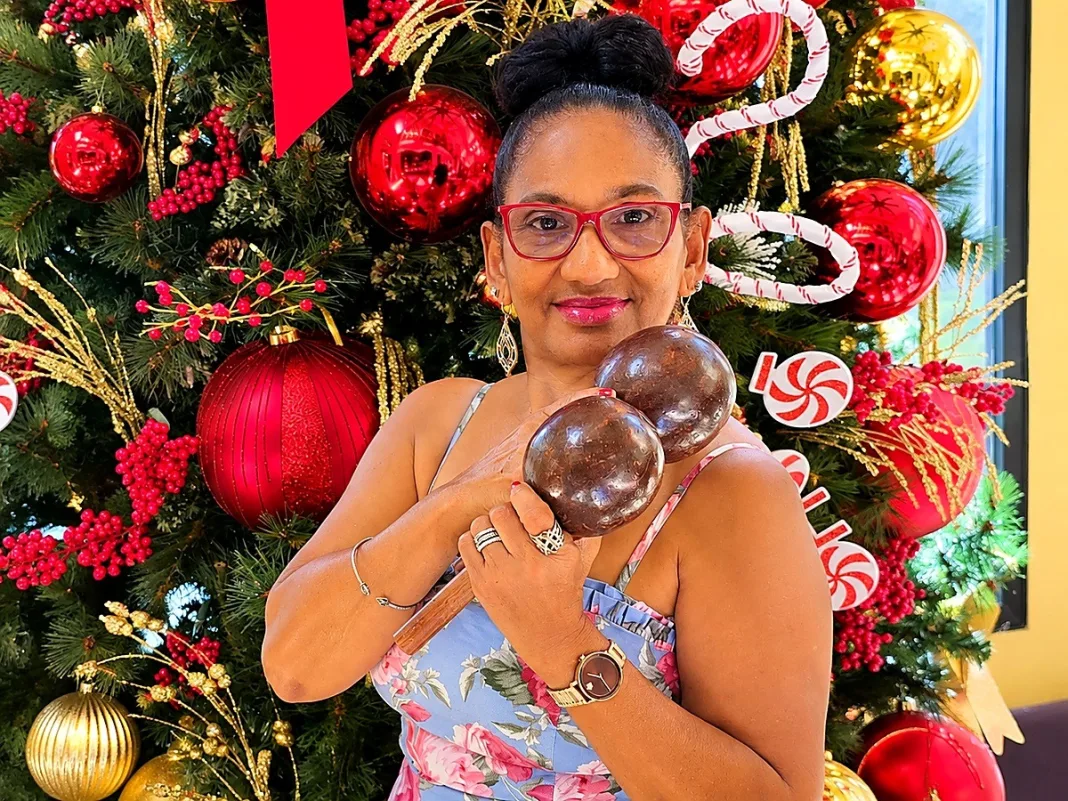
Bernadette Lovett, founder of the parang group Los Compañeros, has embarked on a journey across Trinidad and Tobago to recognise and celebrate some of the country's unsung parang pioneers, whose contributions helped transform what was once largely a village-based tradition into a celebrated part of the national cultural landscape.
For Lovett, the initiative is more than a cultural project. It is a deeply personal mission rooted in her childhood, family heritage and lifelong love for parang music.
Born and raised in Moruga, a community with strong connections to Trinidad and Tobago's parang traditions, Lovett recalls growing up surrounded by the sounds of the music.
Both her parents and other family members were actively involved in parang, exposing her from an early age to the rhythms, melodies and traditions that would eventually inspire her to establish her own group, Los Compañeros.
However, her passion for the music has now taken her beyond performing and preserving the tradition through her group.
Over the past several weeks, Lovett has been travelling throughout the country, seeking to acknowledge individuals whose dedication and musical contributions helped establish the foundation upon which today's parang performers continue to build.
Among those she has identified are Lloyd Gervais, Victor Roach, Robin Castro, Cyril Grenage, Michael Lezama, John Edward, Sylvester Gervil, Calvin Bengoche, Paul Hernandez, Andrew La Fortune, Ramlal, Lennox Flores, Michael Carabi, Clarita Rivas and Mario Conga.
According to Lovett, these individuals represent an important chapter in Trinidad and Tobago's musical history, particularly during the period when parang began receiving greater exposure through radio and television.
Their contributions helped carry the music beyond the communities where it had traditionally flourished, introducing wider audiences to the distinctive sounds and cultural significance of parang.
Yet despite their influence, Lovett believes many of these pioneers have not received the recognition they deserve.
She is particularly concerned that younger generations may be unfamiliar with the people whose sacrifices, dedication and talent helped create opportunities for the performers celebrated today.
As time passes, she fears that valuable stories and personal accounts of parang's development could disappear unless deliberate efforts are made to preserve them.
Her mission is therefore not simply to acknowledge names but to encourage a deeper appreciation of the people behind the music.
For Lovett, every pioneer represents a story worth telling, a contribution worth recognising and a legacy worth protecting.
She hopes her journey will inspire greater awareness of the individuals who helped sustain parang through changing times, often driven by their love for the tradition rather than public recognition.
The initiative also raises an important question about cultural preservation in Trinidad and Tobago: while audiences continue to celebrate traditional music, are enough efforts being made to recognise those who laid its foundations?
Lovett believes that preserving parang requires more than keeping its songs alive. It also means documenting its history, celebrating its pioneers and ensuring that younger musicians understand the origins of the traditions they inherit.
Her journey reflects a wider responsibility to safeguard the country's intangible cultural heritage before important memories and firsthand experiences are lost.
For the Los Compañeros founder, the mission is ultimately one of gratitude.
She wants the pioneers and their families to know that their contributions have not gone unnoticed and that their influence continues to resonate through generations of musicians and parang enthusiasts.
"Parang is more than music. It is our history, our heritage, and a reflection of who we are as a people," Lovett wrote in her tribute.
She also stressed that the individuals who helped develop the tradition deserve to have their stories shared and their contributions celebrated.
As Trinidad and Tobago prepares for another season of parang performances, community gatherings and Christmas celebrations, Lovett's initiative serves as a reminder that behind the familiar melodies are generations of cultural pioneers whose efforts helped keep the tradition alive.
And while the spotlight often falls on today's performers, her message is clear: the people who paved the way deserve their moment of recognition too.
Their contributions deserve recognition, their stories deserve to be told, and their legacies must never be forgotten.
News Desk is the editorial publishing account for Tringlobe Media News, covering breaking news, public affairs, entertainment, community developments and regional stories across Trinidad and Tobago, the Caribbean and internationally.