The key points are temporarily unavailable. You can still read the full Story below.
Main Points
Eisenkot has 67 recommendations. But can he find 61 votes to govern? Benjamin Netanyahu may have lost his parliamentary majority, but writing his political obituary would be premature. On November 8, President Isaac Herzog officially handed Gadi Eisenkot the mandate to form Israel’s next government. The numbers look impressive. The political reality is far less encouraging. Eisenkot has 67 recommendations, but his dependable four-party bloc has only 48 seats: Yashar (Eisenkot): 21 Together (Bennett–Lapid): 12 Democrats (Yair Golan): 8 Yisrael Beiteinu (Avigdor Lieberman): 7 The remaining 19 endorsements came from Ra’am (8) and the Joint List (11), two Arab-led parties that want Netanyahu removed but are not necessarily prepared or welcome to join Eisenkot’s government. Israel requires 61 seats for a parliamentary majority. Eisenkot is 13 short. And here is where politics becomes complicated. FOUR PRINCIPLES, ONE POLITICAL DEADLOCK Eisenkot has established four conditions for parties wishing to join his government. Recognise Israel as a Jewish and democratic state. This creates fundamental disagreements with Arab-led parties, particularly those advocating a state defined by equal citizenship rather than Jewish national identity. Accept the values of Israel’s Declaration of Independence. That includes Israel’s Jewish national character alongside democratic principles and equality. The interpretation remains politically contested. Mandatory military, national or civilian service for all citizens. This is the biggest obstacle to winning over the ultra-Orthodox parties. United Torah Judaism holds 7 seats and Shas 6. Together, they could bring Eisenkot’s 48-seat bloc to exactly 61. But their longstanding opposition to compulsory military service for yeshiva students clashes with a central Eisenkot commitment. Recognise Hamas as a terrorist organisation and support dismantling its military and governing capabilities. Arab-led parties have differing positions on this question. Ra’am has condemned the October 7 attacks, but its leadership has resisted adopting every element of Eisenkot’s formulation. The problem is not simply finding another 13 seats. It is finding 13 seats that can agree on what the government should do. THE NEW TWIST: LIEBERMAN COULD CHANGE EVERYTHING As negotiations began on November 8, Lieberman emerged as a major obstacle to Eisenkot’s preferred path. He opposes a minority government dependent on Arab-party support, even through parliamentary abstentions. However, in a significant shift, Lieberman has indicated a willingness to negotiate with ultra-Orthodox parties, including possible compromises over military conscription. That opens another door, but it also threatens to divide Eisenkot’s own allies. Meanwhile, Eisenkot has signalled that lawmakers from Netanyahu’s Likud and Religious Zionism could join his proposed national emergency government. The coalition arithmetic is changing, but the ideological contradictions remain. WHAT THIS TEACHES AFRICA ABOUT COALITION POLITICS There is a lesson here for Kenya and other African democracies. In political systems where coalition negotiations can become dominated by cabinet appointments, contracts and access to state resources, agreement may come quickly. Once the stomach is satisfied, the coalition is settled. But agreement over political rewards is not the same as agreement over governing principles. Israel’s present deadlock demonstrates what happens when competing parties insist on policy commitments before sharing power. That does not mean Israeli or Western politics is free from patronage. It isn’t. The distinction is between coalitions built primarily around political rewards and those constrained by substantive policy disagreements. A coalition built around who gets what may be easy to announce. A coalition built around what the country should become is harder to negotiate. Ni noma! NETANYAHU HAS SURVIVED THIS BEFORE History offers an important warning. In April 2019, Netanyahu failed to form a government. Following the September 2019 election, he failed again. In 2021, he received another opportunity but could not assemble a majority. Naftali Bennett and Yair Lapid eventually formed an alternative government. That coalition lasted just over a year before collapsing, allowing Netanyahu to return following another election. Netanyahu knows something his opponents should never underestimate: surviving politically can be as important as winning electorally. WHAT HAPPENS NEXT? Eisenkot has 28 days, until December 6, to form a government. President Herzog may grant another 14 days. If Eisenkot fails, Herzog may give another member of parliament, potentially Netanyahu, an opportunity to form a coalition. That is not automatic. Netanyahu’s traditional bloc controls 53 seats, although only 46 lawmakers recommended him because United Torah Judaism withheld its endorsement. He therefore has his own arithmetic problem. And there is another possibility: a third candidate, perhaps Lieberman, emerging from the deadlock. The new Knesset is scheduled to convene on November 10, offering an early indication of whether the anti-Netanyahu factions can cooperate. Until a new government takes office, Netanyahu remains caretaker prime minister. THE REAL POLITICAL LESSON Eisenkot has the first opportunity. Netanyahu has the advantage of remaining in office while his opponents negotiate. Neither man has demonstrated a workable majority. 67 recommendations are not 67 coalition seats. 48 seats are not a governing majority. And defeating a prime minister at the ballot box does not necessarily mean removing him from power. Eisenkot might succeed through difficult compromises. He might establish a minority government. Or his coalition-building attempt might fail. But one thing is clear. Netanyahu is not finished. And the biggest political surprise could be that the man voters weakened in October is still occupying the prime minister’s office months later. The election is over. The real battle for power has only begun.
Eisenkot has 67 recommendations. But can he find 61 votes to govern?
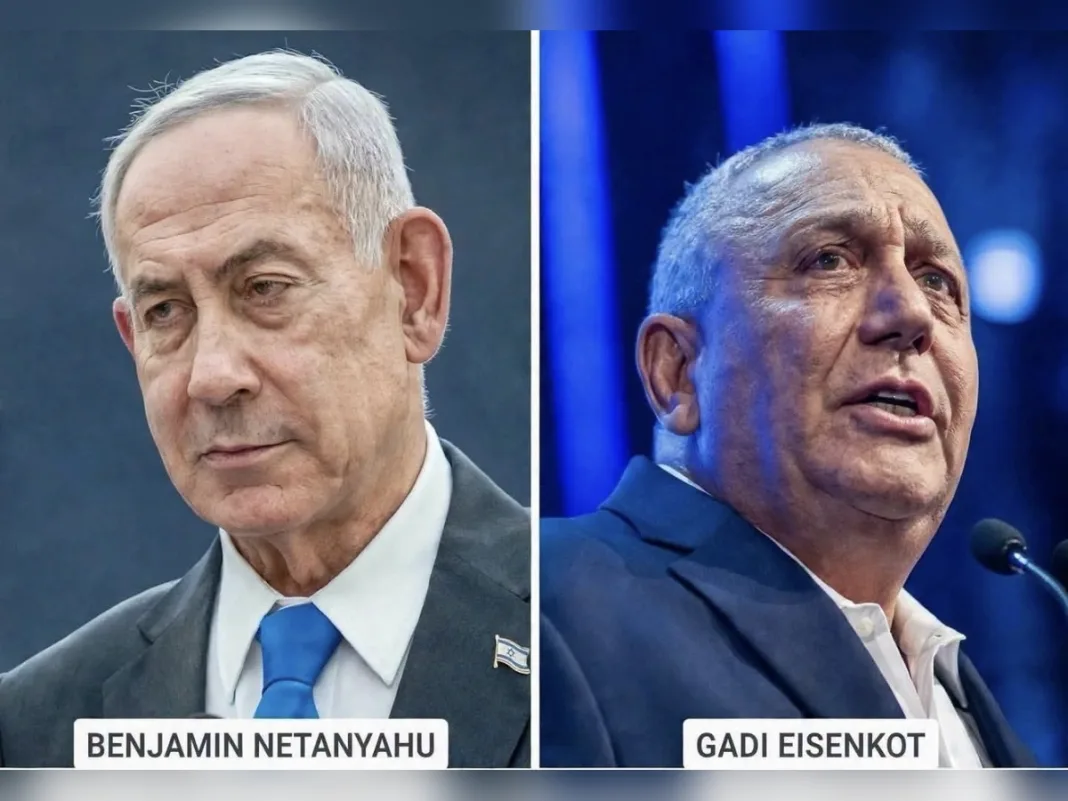
Benjamin Netanyahu may have lost his parliamentary majority, but writing his political obituary would be premature.
On November 8, President Isaac Herzog officially handed Gadi Eisenkot the mandate to form Israel’s next government.
The numbers look impressive. The political reality is far less encouraging.
Eisenkot has 67 recommendations, but his dependable four-party bloc has only 48 seats: Yashar (Eisenkot): 21 Together (Bennett–Lapid): 12 Democrats (Yair Golan): 8 Yisrael Beiteinu (Avigdor Lieberman): 7
The remaining 19 endorsements came from Ra’am (8) and the Joint List (11), two Arab-led parties that want Netanyahu removed but are not necessarily prepared or welcome to join Eisenkot’s government.
Israel requires 61 seats for a parliamentary majority. Eisenkot is 13 short.
And here is where politics becomes complicated.
FOUR PRINCIPLES, ONE POLITICAL DEADLOCK
Eisenkot has established four conditions for parties wishing to join his government. Recognise Israel as a Jewish and democratic state.
This creates fundamental disagreements with Arab-led parties, particularly those advocating a state defined by equal citizenship rather than Jewish national identity. Accept the values of Israel’s Declaration of Independence.
That includes Israel’s Jewish national character alongside democratic principles and equality. The interpretation remains politically contested. Mandatory military, national or civilian service for all citizens.
This is the biggest obstacle to winning over the ultra-Orthodox parties.
United Torah Judaism holds 7 seats and Shas 6. Together, they could bring Eisenkot’s 48-seat bloc to exactly 61.
But their longstanding opposition to compulsory military service for yeshiva students clashes with a central Eisenkot commitment. Recognise Hamas as a terrorist organisation and support dismantling its military and governing capabilities.
Arab-led parties have differing positions on this question. Ra’am has condemned the October 7 attacks, but its leadership has resisted adopting every element of Eisenkot’s formulation.
The problem is not simply finding another 13 seats. It is finding 13 seats that can agree on what the government should do.
THE NEW TWIST: LIEBERMAN COULD CHANGE EVERYTHING
As negotiations began on November 8, Lieberman emerged as a major obstacle to Eisenkot’s preferred path.
He opposes a minority government dependent on Arab-party support, even through parliamentary abstentions.
However, in a significant shift, Lieberman has indicated a willingness to negotiate with ultra-Orthodox parties, including possible compromises over military conscription.
That opens another door, but it also threatens to divide Eisenkot’s own allies.
Meanwhile, Eisenkot has signalled that lawmakers from Netanyahu’s Likud and Religious Zionism could join his proposed national emergency government.
The coalition arithmetic is changing, but the ideological contradictions remain.
WHAT THIS TEACHES AFRICA ABOUT COALITION POLITICS
There is a lesson here for Kenya and other African democracies.
In political systems where coalition negotiations can become dominated by cabinet appointments, contracts and access to state resources, agreement may come quickly.
Once the stomach is satisfied, the coalition is settled.
But agreement over political rewards is not the same as agreement over governing principles.
Israel’s present deadlock demonstrates what happens when competing parties insist on policy commitments before sharing power.
That does not mean Israeli or Western politics is free from patronage. It isn’t. The distinction is between coalitions built primarily around political rewards and those constrained by substantive policy disagreements.
A coalition built around who gets what may be easy to announce. A coalition built around what the country should become is harder to negotiate.
Ni noma!
NETANYAHU HAS SURVIVED THIS BEFORE
History offers an important warning.
In April 2019, Netanyahu failed to form a government.
Following the September 2019 election, he failed again.
In 2021, he received another opportunity but could not assemble a majority. Naftali Bennett and Yair Lapid eventually formed an alternative government.
That coalition lasted just over a year before collapsing, allowing Netanyahu to return following another election.
Netanyahu knows something his opponents should never underestimate: surviving politically can be as important as winning electorally.
WHAT HAPPENS NEXT?
Eisenkot has 28 days, until December 6, to form a government. President Herzog may grant another 14 days.
If Eisenkot fails, Herzog may give another member of parliament, potentially Netanyahu, an opportunity to form a coalition. That is not automatic.
Netanyahu’s traditional bloc controls 53 seats, although only 46 lawmakers recommended him because United Torah Judaism withheld its endorsement.
He therefore has his own arithmetic problem.
And there is another possibility: a third candidate, perhaps Lieberman, emerging from the deadlock.
The new Knesset is scheduled to convene on November 10, offering an early indication of whether the anti-Netanyahu factions can cooperate.
Until a new government takes office, Netanyahu remains caretaker prime minister.
THE REAL POLITICAL LESSON
Eisenkot has the first opportunity.
Netanyahu has the advantage of remaining in office while his opponents negotiate.
Neither man has demonstrated a workable majority.
67 recommendations are not 67 coalition seats.
48 seats are not a governing majority.
And defeating a prime minister at the ballot box does not necessarily mean removing him from power.
Eisenkot might succeed through difficult compromises. He might establish a minority government. Or his coalition-building attempt might fail.
But one thing is clear.
Netanyahu is not finished.
And the biggest political surprise could be that the man voters weakened in October is still occupying the prime minister’s office months later.
The election is over. The real battle for power has only begun.
News Desk is the editorial publishing account for Tringlobe Media News, covering breaking news, public affairs, entertainment, community developments and regional stories across Trinidad and Tobago, the Caribbean and internationally.