The key points are temporarily unavailable. You can still read the full Story below.
Main Points
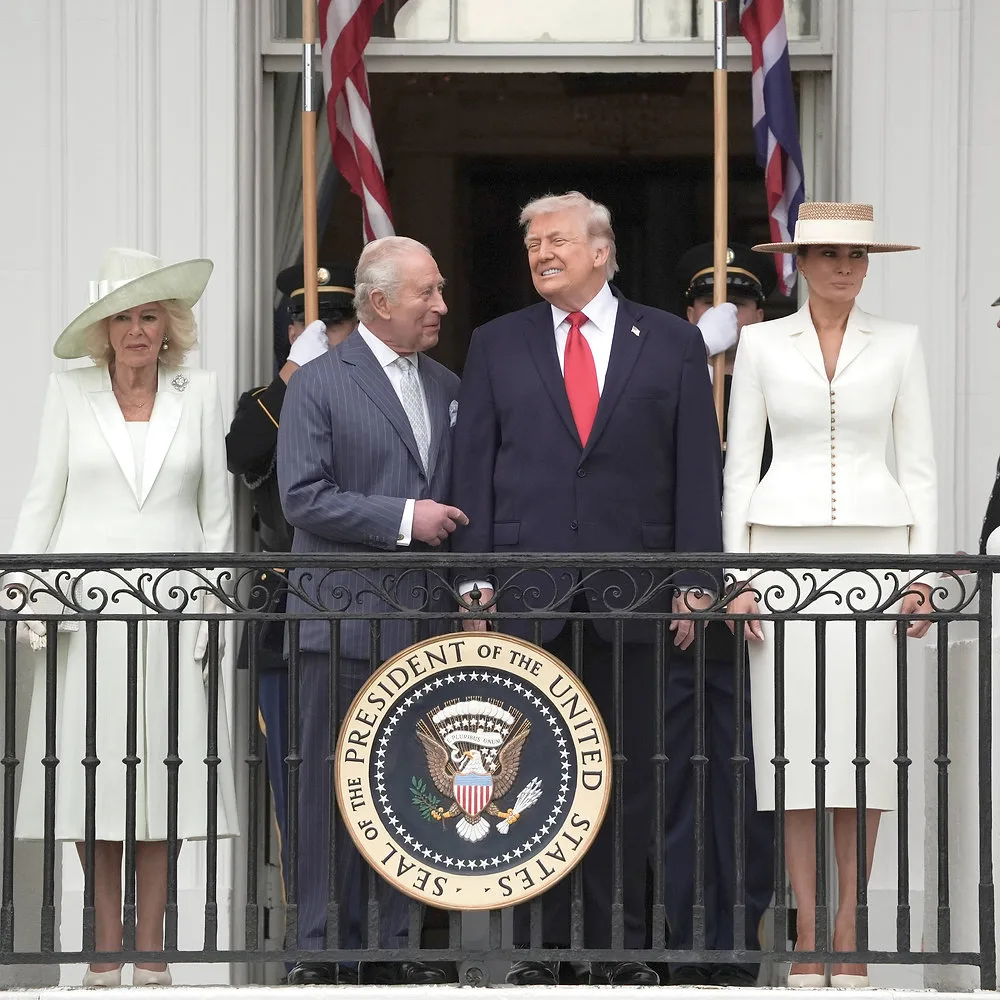
King Charles III has embarked on a seven-day diplomatic tour of the Caribbean, a visit that serves as a significant test of his ability to manage the future of the Commonwealth. The trip includes stops in the Bahamas, Guyana, and Antigua and Barbuda, where the King will convene leaders from the 56-member organization. The visit comes amid growing pressure for the British monarchy to address the legacy of colonialism, specifically regarding the trafficking of approximately 3 million enslaved Africans on British ships during the 18th and 19th centuries. Ahead of the visit, Hilary Beckles, chair of the Reparations Commission for CARICOM, called for a "dialogue of decency" regarding the historical enrichment of the British monarchy through slavery. Historian Ed Owens noted that the visit is inherently fraught, describing the monarchy as an institution that continues to grapple with the legacy of British white supremacy. Buckingham Palace stated that while the King will not avoid the subject of the "darkest days of our past," he will not offer a formal apology. The palace maintains that the King’s constitutional role prevents him from diverging from official government policy, and that the issue of reparations remains the responsibility of the British government. As a prince, Charles previously described the "appalling atrocity of slavery" as a stain on history. The tour follows a period in which King Charles has sought to establish himself as an effective constitutional monarch and global diplomat. Observers, including Philip Murphy of the University of London, have noted the King’s ability to deliver speeches with personal conviction and humor, qualities he recently utilized during a state visit to the United States. However, analysts suggest that the Caribbean tour presents a more complex challenge than his previous diplomatic missions. The palace is reportedly aiming to avoid the public relations difficulties encountered by the Prince and Princess of Wales during their 2022 Caribbean tour, which was marked by protests, calls for reparations, and criticism over the optics of certain engagements. The King’s itinerary includes visits to sporting events, educational institutions, and environmental projects. The Commonwealth, a voluntary association of former British colonies, currently faces internal debate regarding its purpose and structure. While 14 nations, including Australia, New Zealand, and Canada, retain the British monarch as their ceremonial head of state, many other members have transitioned to republics. In Antigua and Barbuda, Prime Minister Gaston Browne has previously indicated plans to hold a referendum on removing the monarch as head of state. The King’s visit is expected to be a pivotal moment in defining the future of the Commonwealth and the monarchy’s relationship with its former colonies. Article source: San Juan Daily Star | Image credit: San Juan Daily Star
King Charles III has embarked on a seven-day diplomatic tour of the Caribbean, a visit that serves as a significant test of his ability to manage the future of the Commonwealth. The trip includes stops in the Bahamas, Guyana, and Antigua and Barbuda, where the King will convene leaders from the 56-member organization. The visit comes amid growing pressure for the British monarchy to address the legacy of colonialism, specifically regarding the trafficking of approximately 3 million enslaved Africans on British ships during the 18th and 19th centuries. Ahead of the visit, Hilary Beckles, chair of the Reparations Commission for CARICOM, called for a “dialogue of decency” regarding the historical enrichment of the British monarchy through slavery. Historian Ed Owens noted that the visit is inherently fraught, describing the monarchy as an institution that continues to grapple with the legacy of British white supremacy. Buckingham Palace stated that while the King will not avoid the subject of the “darkest days of our past,” he will not offer a formal apology. The palace maintains that the King’s constitutional role prevents him from diverging from official government policy, and that the issue of reparations remains the responsibility of the British government. As a prince, Charles previously described the “appalling atrocity of slavery” as a stain on history. The tour follows a period in which King Charles has sought to establish himself as an effective constitutional monarch and global diplomat. Observers, including Philip Murphy of the University of London, have noted the King’s ability to deliver speeches with personal conviction and humor, qualities he recently utilized during a state visit to the United States. However, analysts suggest that the Caribbean tour presents a more complex challenge than his previous diplomatic missions. The palace is reportedly aiming to avoid the public relations difficulties encountered by the Prince and Princess of Wales during their 2022 Caribbean tour, which was marked by protests, calls for reparations, and criticism over the optics of certain engagements. The King’s itinerary includes visits to sporting events, educational institutions, and environmental projects. The Commonwealth, a voluntary association of former British colonies, currently faces internal debate regarding its purpose and structure. While 14 nations, including Australia, New Zealand, and Canada, retain the British monarch as their ceremonial head of state, many other members have transitioned to republics. In Antigua and Barbuda, Prime Minister Gaston Browne has previously indicated plans to hold a referendum on removing the monarch as head of state. The King’s visit is expected to be a pivotal moment in defining the future of the Commonwealth and the monarchy’s relationship with its former colonies.
News Desk is the editorial publishing account for Tringlobe Media News, covering breaking news, public affairs, entertainment, community developments and regional stories across Trinidad and Tobago, the Caribbean and internationally.