The key points are temporarily unavailable. You can still read the full Story below.
Main Points
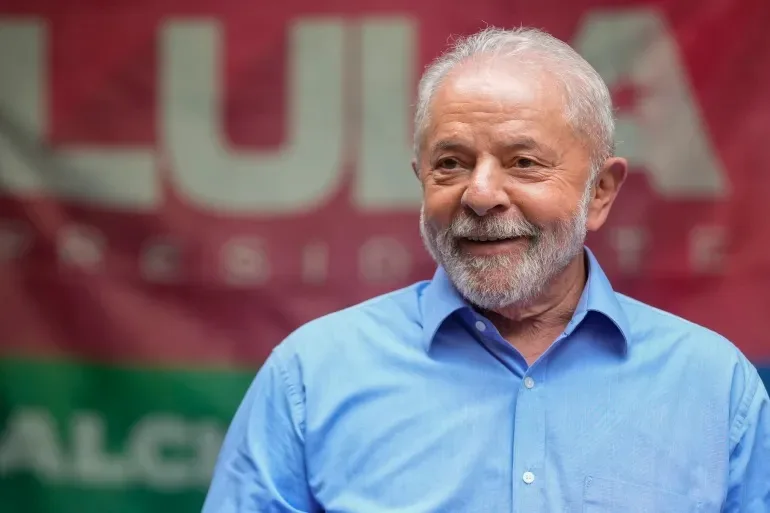
Brazilian President Luiz Inácio Lula da Silva secured an unprecedented fourth term in the presidential election held on Sunday, defeating his opponent, Flávio Bolsonaro, the son of former President Jair Bolsonaro. According to official results released by the electoral authority, Lula received 51.76 % of the vote, while Flávio Bolsonaro garnered 48.24 %. The final count was based on a partial tabulation of ballots. Lula, who will soon turn 81, won the second round of the election after a campaign marked by sharp political divisions. The voting process itself sparked controversy when a judge of Brazil’s Supreme Court extended the voting period by two hours in response to a legal challenge filed by Lula’s campaign. Lula had requested the extension, arguing that 40 % of buses in São Paulo had been withdrawn and that similar transportation problems had occurred in several northeastern cities, describing the situation as “a mess.” Flávio Bolsonaro rejected the outcome, stating that he would not accept defeat and would pursue legal action to annul the runoff. He described the Supreme Court judge’s decision to extend the voting period as “unacceptable.” Lula’s new mandate faces significant challenges. The margin of his victory has narrowed following a substantial win for the conservative bloc in the legislative elections held three weeks earlier, limiting his political maneuverability. Article source: Al Thawra | Image credit: Al Thawra
Brazilian President Luiz Inácio Lula da Silva secured an unprecedented fourth term in the presidential election held on Sunday, defeating his opponent, Flávio Bolsonaro, the son of former President Jair Bolsonaro. According to official results released by the electoral authority, Lula received 51.76 % of the vote, while Flávio Bolsonaro garnered 48.24 %. The final count was based on a partial tabulation of ballots. Lula, who will soon turn 81, won the second round of the election after a campaign marked by sharp political divisions. The voting process itself sparked controversy when a judge of Brazil’s Supreme Court extended the voting period by two hours in response to a legal challenge filed by Lula’s campaign. Lula had requested the extension, arguing that 40 % of buses in São Paulo had been withdrawn and that similar transportation problems had occurred in several northeastern cities, describing the situation as “a mess.” Flávio Bolsonaro rejected the outcome, stating that he would not accept defeat and would pursue legal action to annul the runoff. He described the Supreme Court judge’s decision to extend the voting period as “unacceptable.” Lula’s new mandate faces significant challenges. The margin of his victory has narrowed following a substantial win for the conservative bloc in the legislative elections held three weeks earlier, limiting his political maneuverability.
News Desk is the editorial publishing account for Tringlobe Media News, covering breaking news, public affairs, entertainment, community developments and regional stories across Trinidad and Tobago, the Caribbean and internationally.