The key points are temporarily unavailable. You can still read the full Story below.
Main Points
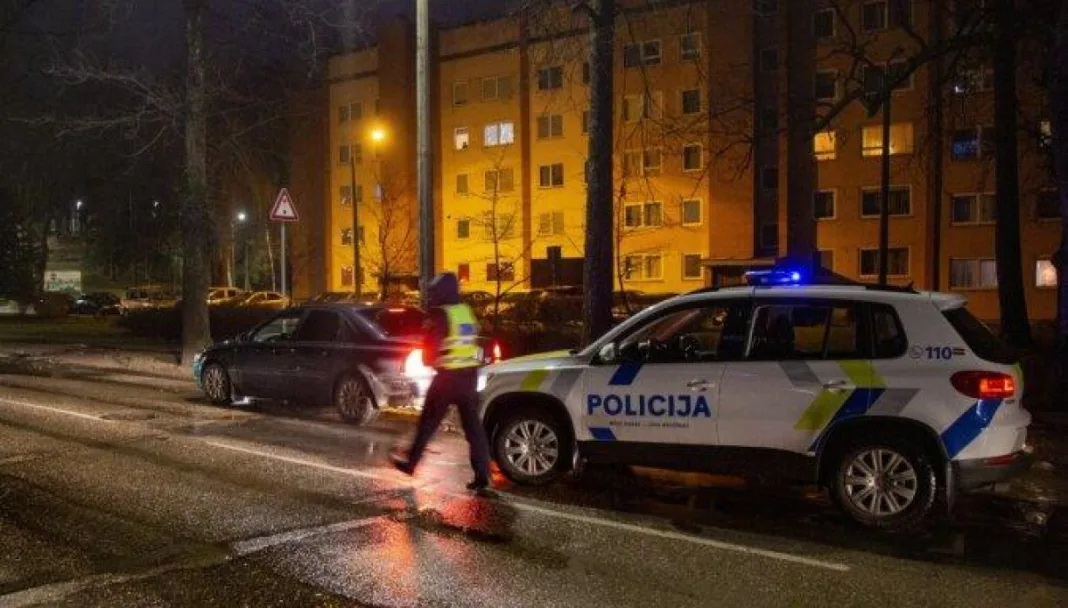
In a case that has drawn renewed scrutiny in Latvia, the Supreme Court has overturned the acquittal of two municipal police officers and ordered a re‑examination of the criminal proceedings. The officers, Artur Pavlov and Zhanis Knyazev, are accused of forcing a drunken driver to move a parked vehicle and then allowing the driver to take the wheel. One officer subsequently reported the incident to the State Police, omitting that the driver had been directed to drive by municipal police. The incident occurred during a routine patrol when the officers discovered a car parked in a prohibited area. The driver, visibly intoxicated, was ordered by the officers to relocate the vehicle. He complied and then drove the car. According to the indictment, one officer informed State Police that the driver was operating the vehicle while intoxicated, but deliberately did not disclose that the driver had been instructed to drive by municipal police. The second officer allegedly did not intervene. The driver was charged with an administrative offence. His driver’s licence and vehicle were seized, preventing him from performing his job. The initial trial in the Riga City Court found both officers guilty: Pavlov was convicted of abuse of office, and Knyazev for the inaction of a public official. Both received sentences of community service. The court concluded that the officers’ actions caused significant harm to the driver’s protected interests, creating a danger to life and health for the driver and others nearby, and that the driver’s liberty was unlawfully restricted. The Vidzeme District Court later overturned the convictions, ruling that the causal link between the officers’ conduct and the harm suffered by the driver was insufficient. The court held that the driver was detained for disobeying State Police, not for following the municipal officers’ instruction. The prosecutor appealed to the Supreme Court. The Supreme Court, in a decision issued on 1 April 2027, fully annulled the Vidzeme District Court’s ruling. It highlighted inconsistencies in the lower court’s reasoning and emphasized that the State Police had detained the driver based on information supplied by one of the accused officers, who had omitted the circumstances under which the driver was behind the wheel. The Court noted that the omission could not be ignored when assessing the officers’ liability. The Supreme Court also rejected the Vidzeme District Court’s conclusion that the driver’s fundamental rights had not been substantially violated. It reminded that unlawful deprivation of liberty is a serious infringement of human rights, even if no monetary compensation for non‑material damage is demanded. The Court instructed that the Vidzeme District Court must evaluate whether the duration of the driver’s detention, the ban on driving, and the actual threat to road safety constitute “substantial harm” sufficient for criminal liability. The Vidzeme District Court is scheduled to reconvene on 10 April 2027 at 10:00 to reassess the case in light of the Supreme Court’s directives. The outcome will determine whether the two municipal police officers will be found guilty and, if so, what penalties will be imposed. Article source: Business & the Baltics | Image credit: Business & the Baltics
In a case that has drawn renewed scrutiny in Latvia, the Supreme Court has overturned the acquittal of two municipal police officers and ordered a re‑examination of the criminal proceedings. The officers, Artur Pavlov and Zhanis Knyazev, are accused of forcing a drunken driver to move a parked vehicle and then allowing the driver to take the wheel. One officer subsequently reported the incident to the State Police, omitting that the driver had been directed to drive by municipal police. The incident occurred during a routine patrol when the officers discovered a car parked in a prohibited area. The driver, visibly intoxicated, was ordered by the officers to relocate the vehicle. He complied and then drove the car. According to the indictment, one officer informed State Police that the driver was operating the vehicle while intoxicated, but deliberately did not disclose that the driver had been instructed to drive by municipal police. The second officer allegedly did not intervene. The driver was charged with an administrative offence. His driver’s licence and vehicle were seized, preventing him from performing his job. The initial trial in the Riga City Court found both officers guilty: Pavlov was convicted of abuse of office, and Knyazev for the inaction of a public official. Both received sentences of community service. The court concluded that the officers’ actions caused significant harm to the driver’s protected interests, creating a danger to life and health for the driver and others nearby, and that the driver’s liberty was unlawfully restricted. The Vidzeme District Court later overturned the convictions, ruling that the causal link between the officers’ conduct and the harm suffered by the driver was insufficient. The court held that the driver was detained for disobeying State Police, not for following the municipal officers’ instruction. The prosecutor appealed to the Supreme Court. The Supreme Court, in a decision issued on 1 April 2027, fully annulled the Vidzeme District Court’s ruling. It highlighted inconsistencies in the lower court’s reasoning and emphasized that the State Police had detained the driver based on information supplied by one of the accused officers, who had omitted the circumstances under which the driver was behind the wheel. The Court noted that the omission could not be ignored when assessing the officers’ liability. The Supreme Court also rejected the Vidzeme District Court’s conclusion that the driver’s fundamental rights had not been substantially violated. It reminded that unlawful deprivation of liberty is a serious infringement of human rights, even if no monetary compensation for non‑material damage is demanded. The Court instructed that the Vidzeme District Court must evaluate whether the duration of the driver’s detention, the ban on driving, and the actual threat to road safety constitute “substantial harm” sufficient for criminal liability. The Vidzeme District Court is scheduled to reconvene on 10 April 2027 at 10:00 to reassess the case in light of the Supreme Court’s directives. The outcome will determine whether the two municipal police officers will be found guilty and, if so, what penalties will be imposed.
News Desk is the editorial publishing account for Tringlobe Media News, covering breaking news, public affairs, entertainment, community developments and regional stories across Trinidad and Tobago, the Caribbean and internationally.