The key points are temporarily unavailable. You can still read the full Story below.
Main Points
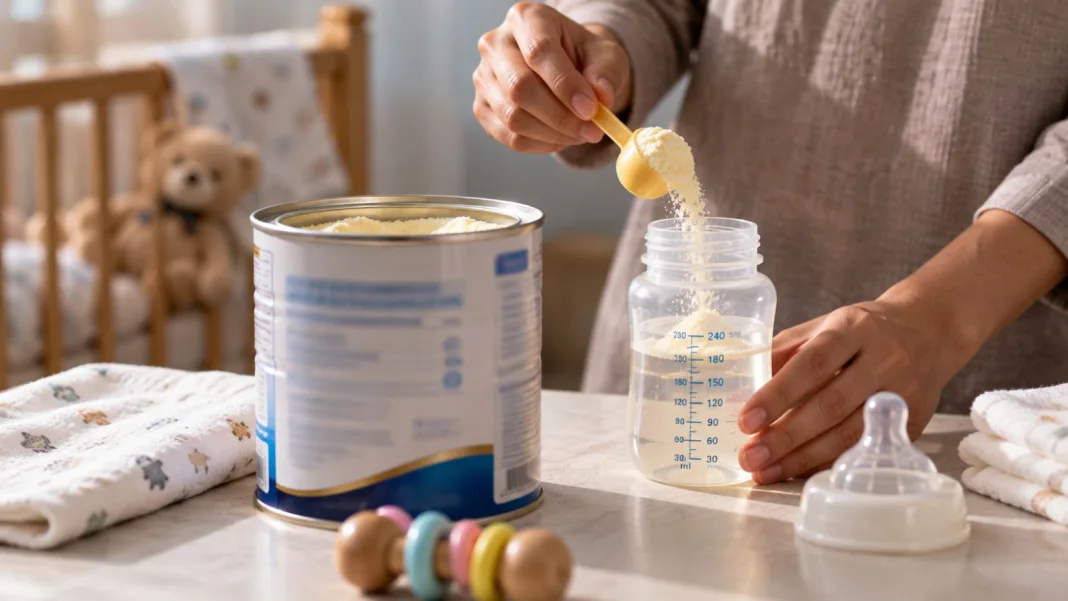
Recent safety alerts regarding infant formula in the United States and India have renewed focus on the nutritional integrity and safety standards of products designed for infants. Investigations in the U.S. have involved potential microbial contamination, as well as testing for heavy metals, pesticides, and other chemical contaminants. In India, the Food Safety and Standards Authority of India (FSSAI) initiated action in September 2026 after a sample of follow-up formula failed to meet prescribed biotin (Vitamin B7) requirements upon re-analysis. The regulator has also launched proceedings regarding alleged misleading label claims. While nutritional non-compliance differs from contamination, both issues highlight the necessity of rigorous manufacturing controls and regulatory oversight. Dr. Shalini Garwin Bliss, Head of Dietetics at PSRI Hospital in New Delhi, emphasized that parents should prioritize substance over marketing. "Good infant nutrition is not about buying the most expensive product; it is about providing safe, balanced nutrition that meets the child’s needs at every stage," she stated. Health experts note that infants have unique nutritional requirements due to their rapid growth. Biotin, for example, is essential for processing fats, carbohydrates, and proteins. A deficiency in this nutrient can lead to hair loss, skin rashes, feeding difficulties, and, in severe cases, neurological symptoms. Because infants often rely on formula as a primary source of nutrition, adherence to prescribed standards is critical. Regarding feeding practices, exclusive breastfeeding is recommended for the first six months due to the presence of essential nutrients and antibodies. However, when breastfeeding is not possible, healthcare professionals advise using commercial infant formula. Experts warn that animal milk, plant-based drinks, and homemade formulas are not safe substitutes for infants, as they lack the necessary balance of nutrients. From approximately six months of age, complementary foods—such as well-cooked vegetables, fruits, cereals, and pulses—should be introduced to provide iron, protein, and vitamins. Parents are cautioned to look beyond marketing claims such as "boosts immunity" or "supports brain development," which may not be supported by credible scientific evidence. Furthermore, experts advise against products containing added sugars, which can contribute to tooth decay and influence long-term dietary preferences. Honey should be strictly avoided for infants under one year of age. Regarding product quality, contaminants like heavy metals and microorganisms can enter the food supply through raw ingredients or processing. Because these cannot be detected by visual inspection, parents are encouraged to rely on official safety advisories and recalls. Experts advise that powdered formula is not sterile and must be prepared according to strict hygiene instructions. To ensure safe nutrition, parents are advised to consult with a pediatrician before making changes to a feeding regimen, rather than relying on social media advice or advertising. If an infant experiences persistent vomiting, feeding difficulties, or poor weight gain, professional medical evaluation is recommended. Article source: Indian Express | Image credit: Indian Express
Recent safety alerts regarding infant formula in the United States and India have renewed focus on the nutritional integrity and safety standards of products designed for infants. Investigations in the U.S. have involved potential microbial contamination, as well as testing for heavy metals, pesticides, and other chemical contaminants. In India, the Food Safety and Standards Authority of India (FSSAI) initiated action in September 2026 after a sample of follow-up formula failed to meet prescribed biotin (Vitamin B7) requirements upon re-analysis. The regulator has also launched proceedings regarding alleged misleading label claims. While nutritional non-compliance differs from contamination, both issues highlight the necessity of rigorous manufacturing controls and regulatory oversight. Dr. Shalini Garwin Bliss, Head of Dietetics at PSRI Hospital in New Delhi, emphasized that parents should prioritize substance over marketing. “Good infant nutrition is not about buying the most expensive product; it is about providing safe, balanced nutrition that meets the child’s needs at every stage,” she stated. Health experts note that infants have unique nutritional requirements due to their rapid growth. Biotin, for example, is essential for processing fats, carbohydrates, and proteins. A deficiency in this nutrient can lead to hair loss, skin rashes, feeding difficulties, and, in severe cases, neurological symptoms. Because infants often rely on formula as a primary source of nutrition, adherence to prescribed standards is critical. Regarding feeding practices, exclusive breastfeeding is recommended for the first six months due to the presence of essential nutrients and antibodies. However, when breastfeeding is not possible, healthcare professionals advise using commercial infant formula. Experts warn that animal milk, plant-based drinks, and homemade formulas are not safe substitutes for infants, as they lack the necessary balance of nutrients. From approximately six months of age, complementary foods—such as well-cooked vegetables, fruits, cereals, and pulses—should be introduced to provide iron, protein, and vitamins. Parents are cautioned to look beyond marketing claims such as “boosts immunity” or “supports brain development,” which may not be supported by credible scientific evidence. Furthermore, experts advise against products containing added sugars, which can contribute to tooth decay and influence long-term dietary preferences. Honey should be strictly avoided for infants under one year of age. Regarding product quality, contaminants like heavy metals and microorganisms can enter the food supply through raw ingredients or processing. Because these cannot be detected by visual inspection, parents are encouraged to rely on official safety advisories and recalls. Experts advise that powdered formula is not sterile and must be prepared according to strict hygiene instructions. To ensure safe nutrition, parents are advised to consult with a pediatrician before making changes to a feeding regimen, rather than relying on social media advice or advertising. If an infant experiences persistent vomiting, feeding difficulties, or poor weight gain, professional medical evaluation is recommended.
News Desk is the editorial publishing account for Tringlobe Media News, covering breaking news, public affairs, entertainment, community developments and regional stories across Trinidad and Tobago, the Caribbean and internationally.