The key points are temporarily unavailable. You can still read the full Story below.
Main Points
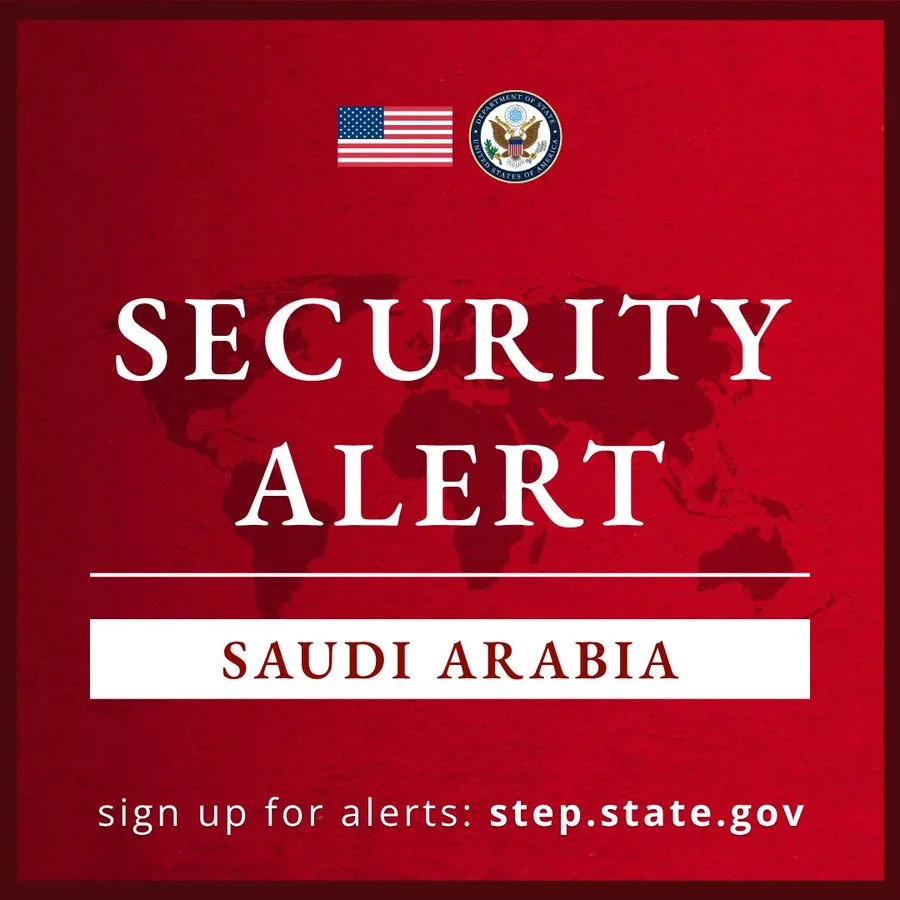
Washington has ordered all non‑essential U.S. government employees and their families to leave Saudi Arabia because of heightened security risks. The U.S. Embassy in Riyadh issued the directive on Sunday, October 25, and the order became effective on October 23. The embassy cited recent attacks by Houthi rebels, backed by Iran, on Saudi civil airports and other critical infrastructure. These attacks caused civilian casualties and severe disruptions to travel, and the embassy warned that the scope of hostilities could expand rapidly. It also stated that U.S. government personnel now require special permission from the head of mission to use any Saudi airport following the missile and drone strikes that targeted the kingdom’s airports. According to the embassy’s notice, King Khalid International Airport in Riyadh partially reopened on October 25. The reopening includes domestic flights and some international services operated by national carriers. Limited flights from Riyadh via Prince Naif bin Abdulaziz International Airport in Qassim are also operating. King Abdulaziz International Airport in Jeddah and King Fahd International Airport in Dammam continue to function, though some flights are delayed or cancelled. The embassy urged U.S. citizens to exercise caution when traveling through Saudi airports and to verify flight status directly with airlines and airport authorities. Article source: Cedar News | Image credit: Cedar News
Washington has ordered all non‑essential U.S. government employees and their families to leave Saudi Arabia because of heightened security risks. The U.S. Embassy in Riyadh issued the directive on Sunday, October 25, and the order became effective on October 23. The embassy cited recent attacks by Houthi rebels, backed by Iran, on Saudi civil airports and other critical infrastructure. These attacks caused civilian casualties and severe disruptions to travel, and the embassy warned that the scope of hostilities could expand rapidly. It also stated that U.S. government personnel now require special permission from the head of mission to use any Saudi airport following the missile and drone strikes that targeted the kingdom’s airports. According to the embassy’s notice, King Khalid International Airport in Riyadh partially reopened on October 25. The reopening includes domestic flights and some international services operated by national carriers. Limited flights from Riyadh via Prince Naif bin Abdulaziz International Airport in Qassim are also operating. King Abdulaziz International Airport in Jeddah and King Fahd International Airport in Dammam continue to function, though some flights are delayed or cancelled. The embassy urged U.S. citizens to exercise caution when traveling through Saudi airports and to verify flight status directly with airlines and airport authorities.
News Desk is the editorial publishing account for Tringlobe Media News, covering breaking news, public affairs, entertainment, community developments and regional stories across Trinidad and Tobago, the Caribbean and internationally.