The key points are temporarily unavailable. You can still read the full Story below.
Main Points
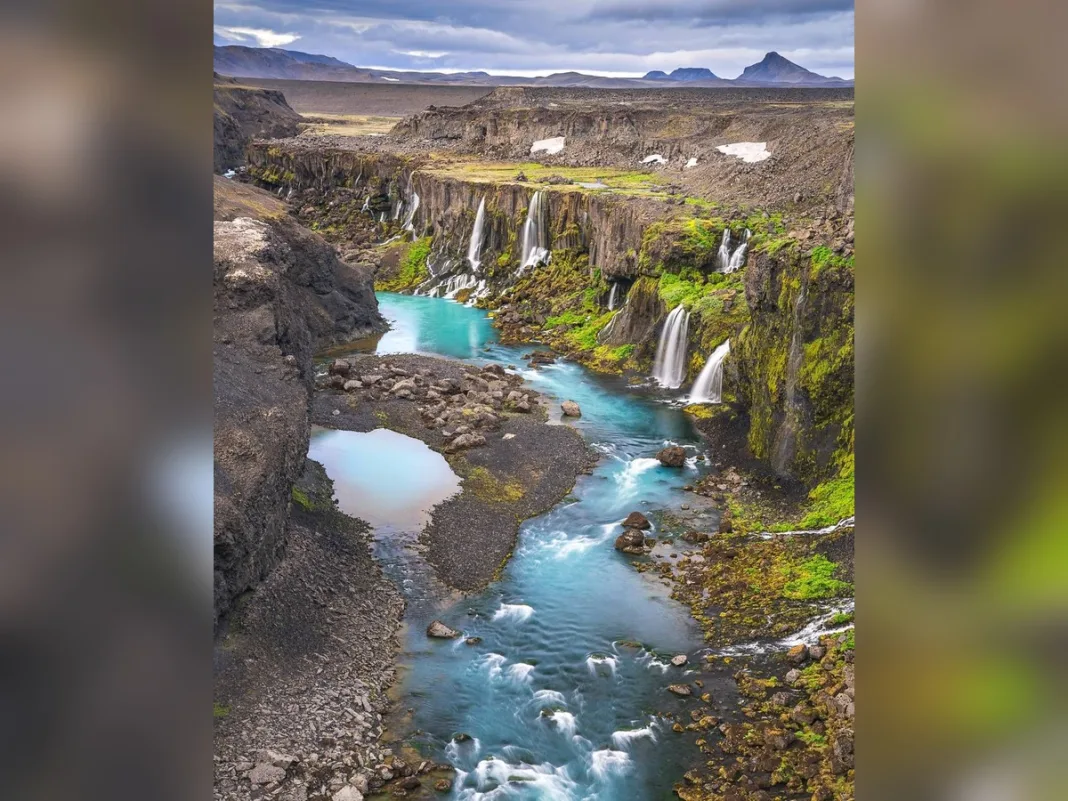
Deep in the heart of Iceland lies a land so wild and untouched that it remains inaccessible for much of the year. The Central Highlands—Iceland’s most remote region—are a stark, breathtaking expanse of black sand deserts, jagged mountains, and sprawling glaciers, including parts of the vast Vatnajökull ice cap. Unlike the country’s more populated coastal areas, this region is uninhabitable, with no roads, settlements, or infrastructure to support human life. Accessible only during the summer months, when snow and ice recede enough to allow passage, the Central Highlands offer a glimpse into Iceland’s raw, untamed beauty—one that has shaped the nation’s identity for centuries. The landscape here is a study in contrasts. The black sand deserts, formed by volcanic activity, stretch endlessly under the midnight sun or the long Arctic nights, their dark hues stark against the white glaciers. These deserts are not barren wastelands but ecosystems teeming with hardy mosses, lichens, and resilient flora adapted to the harsh conditions. The glaciers, including the towering Vatnajökull—Europe’s largest by volume—carve deep valleys and create hidden lagoons, their icy blue tongues a testament to the geological forces that have sculpted Iceland over millennia. What makes the Central Highlands truly unique is their isolation. Unlike Iceland’s more accessible regions, such as the Southern Peninsula or the Snæfellsnes Peninsula, this area has no permanent residents. Visitors must venture into the wilderness on foot, horseback, or by four-wheel drive, navigating rivers, volcanic craters, and shifting sands. The remoteness has preserved the region’s ecological integrity, making it a haven for scientists studying glaciers, volcanic activity, and the fragile Arctic ecosystem. For those who brave the journey, the rewards are unparalleled. The Highlands are home to some of Iceland’s most iconic natural wonders, from the otherworldly Langjökull glacier to the dramatic Askja caldera, a volcanic crater filled with a serene lake. The area is also a playground for adventurers, offering opportunities for hiking, glacier trekking, and even camping under the stars—though the unpredictable weather demands respect and preparation. Beyond its physical beauty, the Central Highlands hold cultural significance. Iceland’s sagas and folklore are steeped in tales of exploration and survival in these harsh lands, reflecting the resilience of the country’s early settlers. Today, the region remains a symbol of Iceland’s untamed spirit, a reminder of the forces that continue to shape the island nation. For travellers seeking to escape the crowds and connect with Iceland’s wild heart, the Central Highlands are a must-visit. Yet even for those who never set foot there, the region’s existence underscores a fundamental truth about Iceland: beneath its modern veneer lies a land of fire and ice, where nature reigns supreme.
Deep in the heart of Iceland lies a land so wild and untouched that it remains inaccessible for much of the year. The Central Highlands—Iceland’s most remote region—are a stark, breathtaking expanse of black sand deserts, jagged mountains, and sprawling glaciers, including parts of the vast Vatnajökull ice cap. Unlike the country’s more populated coastal areas, this region is uninhabitable, with no roads, settlements, or infrastructure to support human life. Accessible only during the summer months, when snow and ice recede enough to allow passage, the Central Highlands offer a glimpse into Iceland’s raw, untamed beauty—one that has shaped the nation’s identity for centuries.
The landscape here is a study in contrasts. The black sand deserts, formed by volcanic activity, stretch endlessly under the midnight sun or the long Arctic nights, their dark hues stark against the white glaciers. These deserts are not barren wastelands but ecosystems teeming with hardy mosses, lichens, and resilient flora adapted to the harsh conditions. The glaciers, including the towering Vatnajökull—Europe’s largest by volume—carve deep valleys and create hidden lagoons, their icy blue tongues a testament to the geological forces that have sculpted Iceland over millennia.
What makes the Central Highlands truly unique is their isolation. Unlike Iceland’s more accessible regions, such as the Southern Peninsula or the Snæfellsnes Peninsula, this area has no permanent residents. Visitors must venture into the wilderness on foot, horseback, or by four-wheel drive, navigating rivers, volcanic craters, and shifting sands. The remoteness has preserved the region’s ecological integrity, making it a haven for scientists studying glaciers, volcanic activity, and the fragile Arctic ecosystem.
For those who brave the journey, the rewards are unparalleled. The Highlands are home to some of Iceland’s most iconic natural wonders, from the otherworldly Langjökull glacier to the dramatic Askja caldera, a volcanic crater filled with a serene lake. The area is also a playground for adventurers, offering opportunities for hiking, glacier trekking, and even camping under the stars—though the unpredictable weather demands respect and preparation.
Beyond its physical beauty, the Central Highlands hold cultural significance. Iceland’s sagas and folklore are steeped in tales of exploration and survival in these harsh lands, reflecting the resilience of the country’s early settlers. Today, the region remains a symbol of Iceland’s untamed spirit, a reminder of the forces that continue to shape the island nation.
For travellers seeking to escape the crowds and connect with Iceland’s wild heart, the Central Highlands are a must-visit. Yet even for those who never set foot there, the region’s existence underscores a fundamental truth about Iceland: beneath its modern veneer lies a land of fire and ice, where nature reigns supreme.
News Desk is the editorial publishing account for Tringlobe Media News, covering breaking news, public affairs, entertainment, community developments and regional stories across Trinidad and Tobago, the Caribbean and internationally.