The key points are temporarily unavailable. You can still read the full Story below.
Main Points
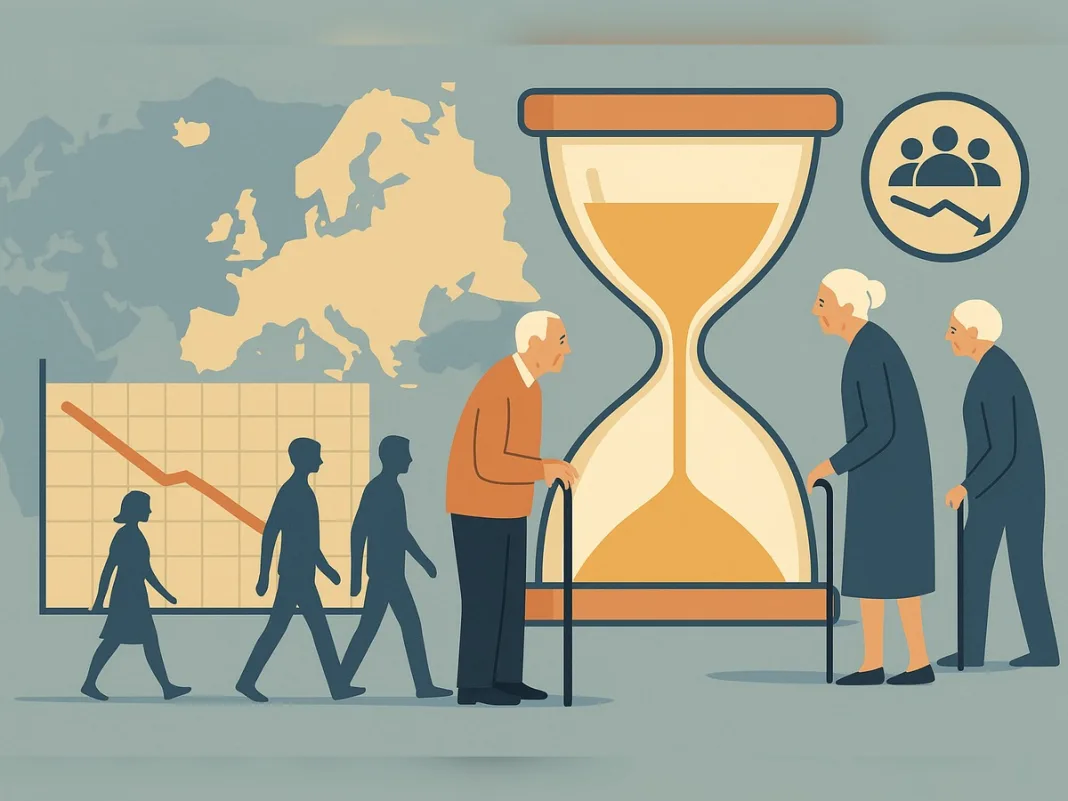
Albania’s population has fallen sharply since the 2023 census recorded just 2.4 million residents, down from previous counts. This decline reflects a dual crisis: emigration and low birth rates, both of which threaten the country’s economic stability. With fewer young people entering the workforce and an ageing population, Albania faces a future where its labour force shrinks before its economy can fully mature. The 2023 census marks a turning point. Albania’s population has been declining for decades, but the pace has accelerated as young Albanians seek opportunities abroad. The country’s upper-middle-income status and very high human development ranking (per UNDP) suggest progress, yet these gains are undermined by a demographic collapse. Without intervention, Albania risks becoming a nation of retirees supported by a dwindling workforce—a scenario seen in Japan and parts of Europe but now emerging in the Balkans. The consequences are already visible. A smaller population means fewer taxpayers to fund pensions, healthcare, and public services. Albania’s Gini index (a measure of income inequality) suggests economic disparities may worsen as resources become concentrated in urban centres like Tirana and Durrës, where most remaining residents live. Meanwhile, rural areas—already struggling—could face abandonment as young people leave for cities or foreign jobs. The government has taken steps, such as abolishing conscription in 2010, but no major policies address the ageing workforce. Without reforms—such as encouraging higher birth rates, attracting skilled migrants, or investing in automation—Albania’s economic future hangs in the balance. The question is no longer if the country will grow old before it grows rich, but how it will adapt.
Albania’s population has fallen sharply since the 2023 census recorded just 2.4 million residents, down from previous counts. This decline reflects a dual crisis: emigration and low birth rates, both of which threaten the country’s economic stability. With fewer young people entering the workforce and an ageing population, Albania faces a future where its labour force shrinks before its economy can fully mature.
The 2023 census marks a turning point. Albania’s population has been declining for decades, but the pace has accelerated as young Albanians seek opportunities abroad. The country’s upper-middle-income status and very high human development ranking (per UNDP) suggest progress, yet these gains are undermined by a demographic collapse. Without intervention, Albania risks becoming a nation of retirees supported by a dwindling workforce—a scenario seen in Japan and parts of Europe but now emerging in the Balkans.
The consequences are already visible. A smaller population means fewer taxpayers to fund pensions, healthcare, and public services. Albania’s Gini index (a measure of income inequality) suggests economic disparities may worsen as resources become concentrated in urban centres like Tirana and Durrës, where most remaining residents live. Meanwhile, rural areas—already struggling—could face abandonment as young people leave for cities or foreign jobs.
The government has taken steps, such as abolishing conscription in 2010, but no major policies address the ageing workforce. Without reforms—such as encouraging higher birth rates, attracting skilled migrants, or investing in automation—Albania’s economic future hangs in the balance. The question is no longer if the country will grow old before it grows rich, but how it will adapt.
News Desk is the editorial publishing account for Tringlobe Media News, covering breaking news, public affairs, entertainment, community developments and regional stories across Trinidad and Tobago, the Caribbean and internationally.