The key points are temporarily unavailable. You can still read the full Story below.
Main Points
The Trinidad and Tobago Government has announced plans for a phased restart of the Petrotrin refinery at Pointe-a-Pierre, which has remained closed since November 2018 due to mounting debt and operational losses. Finance Minister Davendranath Tancoo revealed the initiative during the presentation of the TT$63.3 billion national budget to Parliament on Monday. The refinery, which operated for over a century, was shut down by the previous administration amid an estimated TT$12 billion debt and losses of approximately TT$8 billion over five years. Tancoo emphasised that the closure had devastating economic impacts on communities from Couva to Cedros, affecting thousands of residents, contractors, and small businesses that relied on the refinery for income. The Government has received a comprehensive report from the Refinery Restart Committee and is currently evaluating proposals from a shortlist of local and international investors. Tancoo stressed that the restart would be approached with fiscal discipline, aiming for a commercially viable and fully financed arrangement that protects national interests while reviving economic activity. The closure of Petrotrin had significant consequences for the country’s energy sector. Trinidad and Tobago shifted from being a net exporter of refined products to importing every litre of diesel, gasoline, pitch oil, and engine oil. Over 70% of the country’s foreign exchange earnings come from energy commodity exports, making the refinery’s restart a critical step in restoring energy security. The Government is also addressing declining natural gas production, which has affected liquefied natural gas (LNG) and petrochemical output. Natural gas supply has dropped to 2.4 billion cubic feet per day, a 45% decline that contributed to the permanent closure of Atlantic LNG Train 1 and reduced capacity at several petrochemical plants. To accelerate investment, the administration has established an Energy Accelerator Hub to streamline regulatory approvals for major projects. Several projects, including developments by bpTT and EOG Resources, are expected to boost natural gas supplies in the coming years. EOG’s Mento development has already achieved first gas, reaching peak production of 281.58 million standard cubic feet per day in June 2026. Other projects, such as bpTT’s Ginger development and Mahogany A Extended Field, are targeting first gas in 2027. The phased restart of Petrotrin, combined with efforts to revive natural gas production, marks a significant step towards revitalising Trinidad and Tobago’s energy sector and restoring economic stability to affected communities.
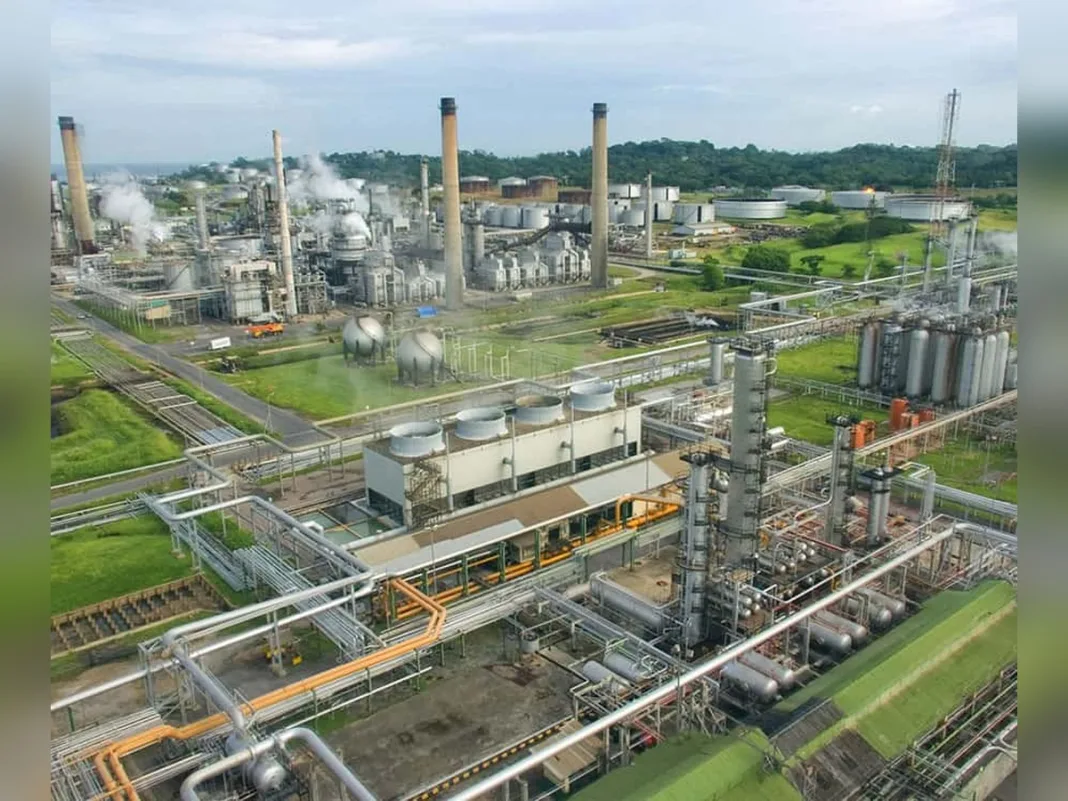
The Trinidad and Tobago Government has announced plans for a phased restart of the Petrotrin refinery at Pointe-a-Pierre, which has remained closed since November 2018 due to mounting debt and operational losses. Finance Minister Davendranath Tancoo revealed the initiative during the presentation of the TT$63.3 billion national budget to Parliament on Monday.
The refinery, which operated for over a century, was shut down by the previous administration amid an estimated TT$12 billion debt and losses of approximately TT$8 billion over five years. Tancoo emphasised that the closure had devastating economic impacts on communities from Couva to Cedros, affecting thousands of residents, contractors, and small businesses that relied on the refinery for income.
The Government has received a comprehensive report from the Refinery Restart Committee and is currently evaluating proposals from a shortlist of local and international investors. Tancoo stressed that the restart would be approached with fiscal discipline, aiming for a commercially viable and fully financed arrangement that protects national interests while reviving economic activity.
The closure of Petrotrin had significant consequences for the country’s energy sector. Trinidad and Tobago shifted from being a net exporter of refined products to importing every litre of diesel, gasoline, pitch oil, and engine oil. Over 70% of the country’s foreign exchange earnings come from energy commodity exports, making the refinery’s restart a critical step in restoring energy security.
The Government is also addressing declining natural gas production, which has affected liquefied natural gas (LNG) and petrochemical output. Natural gas supply has dropped to 2.4 billion cubic feet per day, a 45% decline that contributed to the permanent closure of Atlantic LNG Train 1 and reduced capacity at several petrochemical plants. To accelerate investment, the administration has established an Energy Accelerator Hub to streamline regulatory approvals for major projects.
Several projects, including developments by bpTT and EOG Resources, are expected to boost natural gas supplies in the coming years. EOG’s Mento development has already achieved first gas, reaching peak production of 281.58 million standard cubic feet per day in June 2026. Other projects, such as bpTT’s Ginger development and Mahogany A Extended Field, are targeting first gas in 2027.
The phased restart of Petrotrin, combined with efforts to revive natural gas production, marks a significant step towards revitalising Trinidad and Tobago’s energy sector and restoring economic stability to affected communities.
News Desk is the editorial publishing account for Tringlobe Media News, covering breaking news, public affairs, entertainment, community developments and regional stories across Trinidad and Tobago, the Caribbean and internationally.