The key points are temporarily unavailable. You can still read the full Story below.
Main Points
The Trinidad and Tobago Government has unveiled a series of social assistance increases, tax reforms, customs changes and national development initiatives in its 2027 National Budget, with Finance Minister Davendranath Tancoo outlining measures intended to provide financial relief, strengthen revenue collection and support economic growth. Presenting the Budget in Parliament on Monday, October 12, 2026, under the theme "People, Priorities and Progress", Tancoo announced increases in grants for senior citizens, persons with disabilities and public assistance recipients, alongside new tax compliance measures, additional investment in women's health and expanded security arrangements. The announcements form part of the Kamla Persad-Bissessar administration's second national budget since returning to office in 2025. Among the most significant measures is a proposed $250 monthly increase in the Senior Citizens Grant, aimed at providing additional financial support to elderly citizens. Public assistance grants will also increase by $250 across each payment tier, with approximately 13,637 recipients expected to benefit. Disability assistance grants for both adults and children will similarly rise by $250 monthly, benefiting an estimated 28,000 recipients. Tancoo said the increases were intended to place more money directly into the pockets of citizens, particularly vulnerable groups facing financial pressures. The Government also announced an additional $5 million allocation to the Women's Health Fund, continuing support for an initiative designed to improve menstrual health and access to essential hygiene products. Tax administration featured prominently in the Budget, with several changes intended to improve compliance and increase government revenue. Beginning January 1, 2027, the Government proposes introducing a penalty of $100 for every two months that a Value Added Tax (VAT) return remains outstanding. Tancoo explained that while penalties already apply to the non-filing of income tax and corporation tax returns, a comparable penalty for outstanding VAT returns is absent from the existing arrangements. The measure is expected to generate an additional $5 million in revenue. A separate $100 fee will also be introduced for the issuance of VAT clearance certificates, with Government projecting an additional $500,000 in revenue from the measure. Changes are also planned for statutory agencies and other public bodies currently registered for VAT despite not making taxable supplies. Following a government review, entities that do not satisfy the requirements for VAT registration will be deregistered, while those conducting taxable activities will continue to be assessed under the existing VAT Act. The measure is intended to reduce unnecessary refund claims within the public sector and improve the administration of VAT. Another major announcement involves mandatory electronic tax filing through the Inland Revenue Division's GenTax system. Under the proposal, all taxpayers will be required to file electronically, replacing manual paper-based submissions with a digital platform intended to make tax administration more efficient and convenient. Customs enforcement will also undergo changes, with Government proposing to increase the penalty under Section 212 of the Customs Act from $125,000 to $250,000 to deter false declarations. For international travellers, the foreign currency declaration threshold is set to increase from US$5,000 to US$10,000, effective January 1, 2027. Tancoo said the adjustment would better reflect modern travel and commercial realities while allowing Customs authorities to concentrate on higher-risk movements of currency. The change relates to reporting requirements and does not impose a new limit on the amount of foreign currency travellers may legally carry. National security remains another priority, with Government announcing the expansion of joint police and army operations. Three joint security posts have already been launched in Trinidad, while another three are scheduled to be established in Tobago on October 13. The initiative forms part of the administration's efforts to strengthen security operations and increase the presence of law enforcement personnel. On public sector employment, Tancoo reported progress in fulfilling salary commitments involving teachers, the National Union of Government and Federated Workers and the Public Services Association. He said outstanding arrears had been addressed under the relevant arrangements and that public servants had moved to higher salary levels. The Minister also reported an increase in the value of Trinidad and Tobago's Heritage and Stabilisation Fund. According to figures presented in Parliament, the fund increased from US$5.98 billion in April 2025 to US$6.58 billion in August 2026, representing growth of approximately US$600 million. The fund serves as a national savings mechanism, providing financial reserves to help the country manage fluctuations in energy revenue while preserving resources for future generations. The Government also reaffirmed its intention to support investment across both the energy and non-energy sectors, with particular attention to agriculture, manufacturing, tourism and technology. Economic diversification remains an important objective as Trinidad and Tobago continues to confront challenges associated with natural gas supply, energy production and the need for sustainable employment opportunities. Despite the range of announcements, Tancoo acknowledged that financial limitations would require some government projects to be postponed. He explained that the Budget was prepared after considering national needs, available resources and recommendations submitted by ministries and other stakeholders. The challenge facing the administration will be balancing increased social assistance and development spending against the need to maintain fiscal stability and strengthen government revenue. While several tax and customs measures have been assigned implementation dates beginning January 2027, other initiatives will require further administrative arrangements and, where necessary, legislative approval. The Budget now moves into parliamentary scrutiny, where Government and Opposition members will examine proposed allocations, revenue measures and spending priorities. The presentation outlines the administration's plans for the coming financial year, with attention now turning to the implementation of the announced policies and their effects on households, businesses and public services across Trinidad and Tobago.
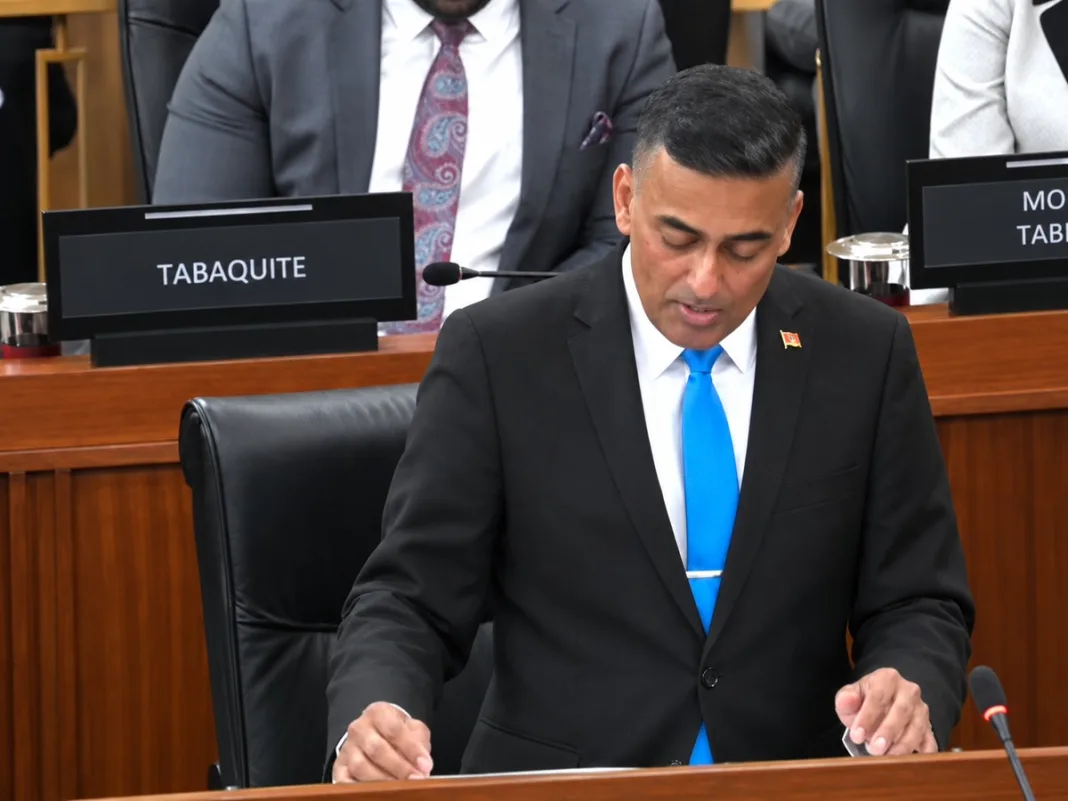
The Trinidad and Tobago Government has unveiled a series of social assistance increases, tax reforms, customs changes and national development initiatives in its 2027 National Budget, with Finance Minister Davendranath Tancoo outlining measures intended to provide financial relief, strengthen revenue collection and support economic growth.
Presenting the Budget in Parliament on Monday, October 12, 2026, under the theme “People, Priorities and Progress”, Tancoo announced increases in grants for senior citizens, persons with disabilities and public assistance recipients, alongside new tax compliance measures, additional investment in women’s health and expanded security arrangements.
The announcements form part of the Kamla Persad-Bissessar administration’s second national budget since returning to office in 2025.
Among the most significant measures is a proposed $250 monthly increase in the Senior Citizens Grant, aimed at providing additional financial support to elderly citizens.
Public assistance grants will also increase by $250 across each payment tier, with approximately 13,637 recipients expected to benefit.
Disability assistance grants for both adults and children will similarly rise by $250 monthly, benefiting an estimated 28,000 recipients.
Tancoo said the increases were intended to place more money directly into the pockets of citizens, particularly vulnerable groups facing financial pressures.
The Government also announced an additional $5 million allocation to the Women’s Health Fund, continuing support for an initiative designed to improve menstrual health and access to essential hygiene products.
Tax administration featured prominently in the Budget, with several changes intended to improve compliance and increase government revenue.
Beginning January 1, 2027, the Government proposes introducing a penalty of $100 for every two months that a Value Added Tax (VAT) return remains outstanding.
Tancoo explained that while penalties already apply to the non-filing of income tax and corporation tax returns, a comparable penalty for outstanding VAT returns is absent from the existing arrangements.
The measure is expected to generate an additional $5 million in revenue.
A separate $100 fee will also be introduced for the issuance of VAT clearance certificates, with Government projecting an additional $500,000 in revenue from the measure.
Changes are also planned for statutory agencies and other public bodies currently registered for VAT despite not making taxable supplies.
Following a government review, entities that do not satisfy the requirements for VAT registration will be deregistered, while those conducting taxable activities will continue to be assessed under the existing VAT Act.
The measure is intended to reduce unnecessary refund claims within the public sector and improve the administration of VAT.
Another major announcement involves mandatory electronic tax filing through the Inland Revenue Division’s GenTax system.
Under the proposal, all taxpayers will be required to file electronically, replacing manual paper-based submissions with a digital platform intended to make tax administration more efficient and convenient.
Customs enforcement will also undergo changes, with Government proposing to increase the penalty under Section 212 of the Customs Act from $125,000 to $250,000 to deter false declarations.
For international travellers, the foreign currency declaration threshold is set to increase from US$5,000 to US$10,000, effective January 1, 2027.
Tancoo said the adjustment would better reflect modern travel and commercial realities while allowing Customs authorities to concentrate on higher-risk movements of currency.
The change relates to reporting requirements and does not impose a new limit on the amount of foreign currency travellers may legally carry.
National security remains another priority, with Government announcing the expansion of joint police and army operations.
Three joint security posts have already been launched in Trinidad, while another three are scheduled to be established in Tobago on October 13.
The initiative forms part of the administration’s efforts to strengthen security operations and increase the presence of law enforcement personnel.
On public sector employment, Tancoo reported progress in fulfilling salary commitments involving teachers, the National Union of Government and Federated Workers and the Public Services Association.
He said outstanding arrears had been addressed under the relevant arrangements and that public servants had moved to higher salary levels.
The Minister also reported an increase in the value of Trinidad and Tobago’s Heritage and Stabilisation Fund.
According to figures presented in Parliament, the fund increased from US$5.98 billion in April 2025 to US$6.58 billion in August 2026, representing growth of approximately US$600 million.
The fund serves as a national savings mechanism, providing financial reserves to help the country manage fluctuations in energy revenue while preserving resources for future generations.
The Government also reaffirmed its intention to support investment across both the energy and non-energy sectors, with particular attention to agriculture, manufacturing, tourism and technology.
Economic diversification remains an important objective as Trinidad and Tobago continues to confront challenges associated with natural gas supply, energy production and the need for sustainable employment opportunities.
Despite the range of announcements, Tancoo acknowledged that financial limitations would require some government projects to be postponed.
He explained that the Budget was prepared after considering national needs, available resources and recommendations submitted by ministries and other stakeholders.
The challenge facing the administration will be balancing increased social assistance and development spending against the need to maintain fiscal stability and strengthen government revenue.
While several tax and customs measures have been assigned implementation dates beginning January 2027, other initiatives will require further administrative arrangements and, where necessary, legislative approval.
The Budget now moves into parliamentary scrutiny, where Government and Opposition members will examine proposed allocations, revenue measures and spending priorities.
The presentation outlines the administration’s plans for the coming financial year, with attention now turning to the implementation of the announced policies and their effects on households, businesses and public services across Trinidad and Tobago.
News Desk is the editorial publishing account for Tringlobe Media News, covering breaking news, public affairs, entertainment, community developments and regional stories across Trinidad and Tobago, the Caribbean and internationally.