The key points are temporarily unavailable. You can still read the full Story below.
Main Points
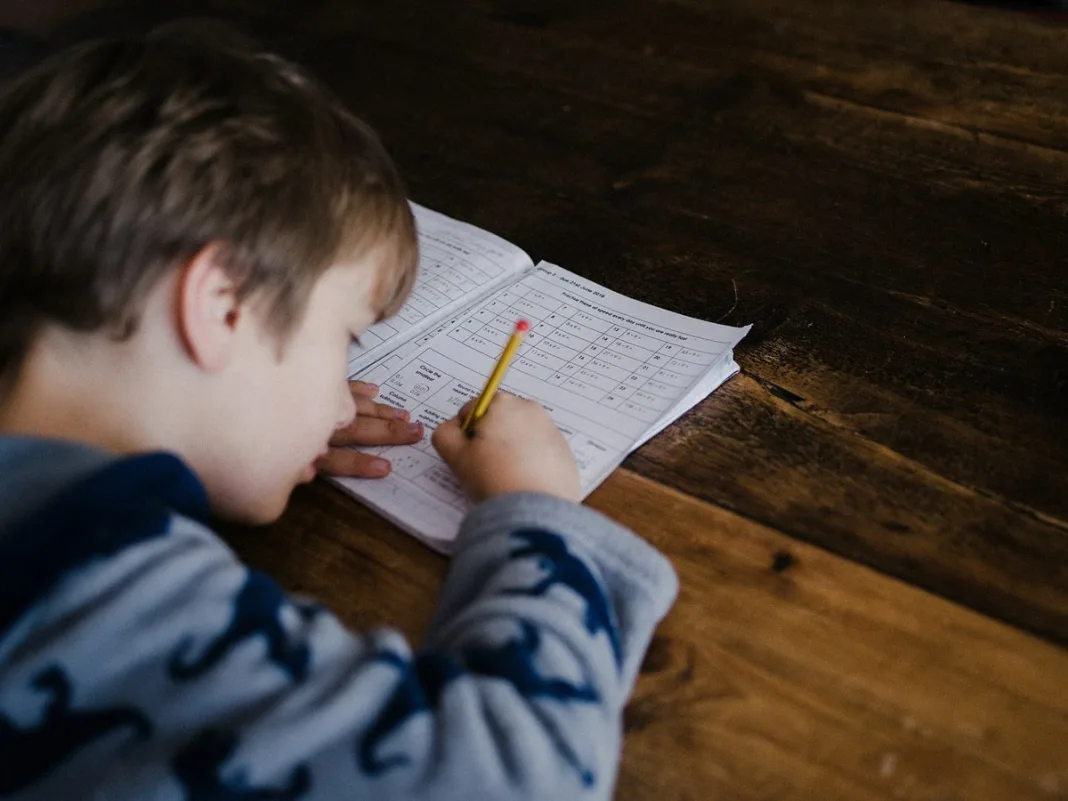
What would happen if schools across Albania abolished homework for one year? The idea raises a question that cannot be answered simply by counting the hours students would regain: would they learn just as much, learn more effectively, or lose valuable opportunities to practise what happens in class? The available evidence does not establish which outcome Albania would experience, but it offers reasons to consider a carefully measured trial rather than treating the proposal as an obvious solution. Albania's educational history shows that progress in schooling is possible, although it does not demonstrate that homework is responsible for educational outcomes. According to UNESCO's Global Education Monitoring Report country case study, Albania's upper-secondary completion rate fell from 49% in 1992 to 42.5% in 2000, before rising to 82% in 2018. UNESCO attributes the earlier decline to the turbulent years following the end of the communist regime, including falling national income and reduced resources available for education. The subsequent improvement occurred as stability returned. Those figures provide important context, but they cannot predict the effect of removing homework. Completion rates measure whether students finish a level of education, not whether homework improves understanding, reduces stress or creates unequal learning conditions. Any argument that Albania should abolish homework because its education system has faced challenges would therefore go beyond what these statistics show. The question of inequality deserves particular attention. Deutsche Welle has reported that Albania's inclusive elementary schools lack suitable teaching materials for children with intellectual disabilities, leaving some students struggling to keep up. A family featured in the report sought individual therapy for a child at a specialised centre. The report also describes an adapted textbook developed by experts from Albania and Kosovo in 2021, whose planned pilot in inclusive schools had stalled because agreement on implementation had not been reached. This example does not establish that homework itself disadvantages children with disabilities. It does, however, illustrate why the conditions in which children learn matter. Students have different educational needs and different levels of support available outside school. A homework-free policy could reduce demands on families, but it would not automatically provide the specialised materials, teaching time or individual assistance that some children need. Nor would removing assignments necessarily benefit every student equally. Family time is another potential consideration, rather than a guaranteed benefit. Eliminating compulsory homework could give students more time for rest, recreation and activities with relatives. Yet the size of that benefit would depend on how much homework students currently receive and what they do with the time released. Schools might also need to reconsider how classroom lessons cover material that students previously practised at home. A one-year pilot could test these questions without assuming the answer. Participating schools could introduce the policy while comparable schools continue their existing approach. Researchers could measure learning through common assessments at the beginning and end of the year, alongside attendance, student wellbeing, family time and differences between groups of learners. Results would need to account for differences between schools and students, rather than attributing every change to homework alone. Albania's education authorities have other reforms underway. Eurydice's account of national school reforms, last updated on 11 September 2026, describes 51 approved new or updated subject curricula for Grades 1, 6 and 10, developed with input from teachers, school leaders and university lecturers. This shows that curriculum design and classroom practice are already subjects of policy attention, although it does not establish any official plan to abolish homework. The strongest case for a homework-free year is therefore not that it would certainly improve education, but that it could be tested. If Albania tried it, transparent assessment of learning, family experience and educational equity would be essential. The results, rather than assumptions about either the value or the burden of homework, should determine whether the experiment continued.
What would happen if schools across Albania abolished homework for one year? The idea raises a question that cannot be answered simply by counting the hours students would regain: would they learn just as much, learn more effectively, or lose valuable opportunities to practise what happens in class? The available evidence does not establish which outcome Albania would experience, but it offers reasons to consider a carefully measured trial rather than treating the proposal as an obvious solution.
Albania’s educational history shows that progress in schooling is possible, although it does not demonstrate that homework is responsible for educational outcomes. According to UNESCO’s Global Education Monitoring Report country case study, Albania’s upper-secondary completion rate fell from 49% in 1992 to 42.5% in 2000, before rising to 82% in 2018. UNESCO attributes the earlier decline to the turbulent years following the end of the communist regime, including falling national income and reduced resources available for education. The subsequent improvement occurred as stability returned.
Those figures provide important context, but they cannot predict the effect of removing homework. Completion rates measure whether students finish a level of education, not whether homework improves understanding, reduces stress or creates unequal learning conditions. Any argument that Albania should abolish homework because its education system has faced challenges would therefore go beyond what these statistics show.
The question of inequality deserves particular attention. Deutsche Welle has reported that Albania’s inclusive elementary schools lack suitable teaching materials for children with intellectual disabilities, leaving some students struggling to keep up. A family featured in the report sought individual therapy for a child at a specialised centre. The report also describes an adapted textbook developed by experts from Albania and Kosovo in 2021, whose planned pilot in inclusive schools had stalled because agreement on implementation had not been reached.
This example does not establish that homework itself disadvantages children with disabilities. It does, however, illustrate why the conditions in which children learn matter. Students have different educational needs and different levels of support available outside school. A homework-free policy could reduce demands on families, but it would not automatically provide the specialised materials, teaching time or individual assistance that some children need. Nor would removing assignments necessarily benefit every student equally.
Family time is another potential consideration, rather than a guaranteed benefit. Eliminating compulsory homework could give students more time for rest, recreation and activities with relatives. Yet the size of that benefit would depend on how much homework students currently receive and what they do with the time released. Schools might also need to reconsider how classroom lessons cover material that students previously practised at home.
A one-year pilot could test these questions without assuming the answer. Participating schools could introduce the policy while comparable schools continue their existing approach. Researchers could measure learning through common assessments at the beginning and end of the year, alongside attendance, student wellbeing, family time and differences between groups of learners. Results would need to account for differences between schools and students, rather than attributing every change to homework alone.
Albania’s education authorities have other reforms underway. Eurydice’s account of national school reforms, last updated on 11 September 2026, describes 51 approved new or updated subject curricula for Grades 1, 6 and 10, developed with input from teachers, school leaders and university lecturers. This shows that curriculum design and classroom practice are already subjects of policy attention, although it does not establish any official plan to abolish homework.
The strongest case for a homework-free year is therefore not that it would certainly improve education, but that it could be tested. If Albania tried it, transparent assessment of learning, family experience and educational equity would be essential. The results, rather than assumptions about either the value or the burden of homework, should determine whether the experiment continued.
News Desk is the editorial publishing account for Tringlobe Media News, covering breaking news, public affairs, entertainment, community developments and regional stories across Trinidad and Tobago, the Caribbean and internationally.