The key points are temporarily unavailable. You can still read the full Story below.
Main Points
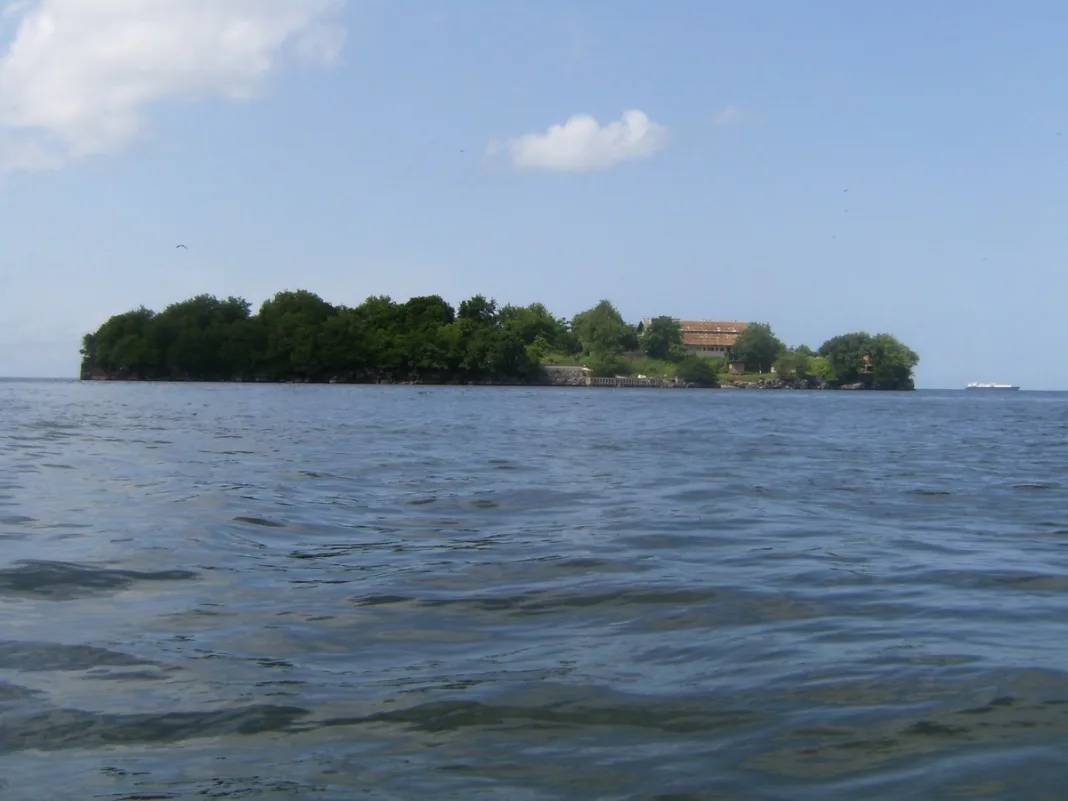
Nelson Island sits quietly in the Gulf of Paria, just west of Port of Spain, but for thousands of families in Trinidad and Tobago it represents one of the most important gateways in the country’s history. Between 1866 and 1917, the small island served as a landing, immigration and quarantine station for Indian indentured immigrants arriving in Trinidad. Indian indentureship in Trinidad began earlier, on May 30, 1845, when the Futtle Rozack, commonly known as the Fatel Razack, arrived with 225 adult passengers. The National Archives of Trinidad and Tobago records that 147,596 Indians eventually came to Trinidad during the broader indentureship period. From 1866, the system for receiving newly arrived immigrants was reorganised and Nelson Island became the principal immigration depot. Getting there was itself another stage of the journey. Immigrants were transferred from their ocean-going ships into barges and taken to the island. The first vessel recorded as bringing immigrants to the new depot was the Humber in 1866, carrying 473 people, including 329 men, 84 women, 32 boys and 14 girls. Once ashore, immigrants passed through a structured processing system. They were medically examined, with those requiring treatment sent to the Marion Hospital and others needing time to recover placed in the Convalescent Depot. The island initially had accommodation for about 450 people. By 1881, capacity had been expanded to around 600, and by 1912 there was accommodation for approximately 1,000. Nelson Island was also where new arrivals were formally introduced to the terms of their labour. The National Archives records that immigrants gathered in an assembly area where the Protector of Immigrants and interpreters addressed them. Their contracts were read in Hindi and Urdu. Most spent about ten days on the island before being transferred to the estates to which they had been assigned. The scale of movement through this small island was substantial. National Archives records state that 228 ships brought Indian immigrants to Nelson Island between 1866 and 1917. The final ship carrying indentured labourers to Trinidad, the S.S. Ganges, arrived on April 22, 1917. Nelson Island later operated in the opposite direction as well. It served as a departure point for former indentured workers returning to India until 1939. Returnees could remain on the island while authorities gathered the roughly 300 to 400 passengers needed to fill a departing ship. Some returning passengers even travelled from neighbouring Guyana and Suriname to embark there. The surviving records make Nelson Island especially important for descendants researching family history. General registers documented information such as immigrants’ names, fathers’ names, ages, sex, registration numbers, ships and estates of assignment. Those entries transformed a remote island into one of the most significant documentary sites in Trinidad and Tobago’s migration history. Today, Nelson Island is remembered not simply as a picturesque member of the Five Islands, but as a place where long sea journeys ended and new lives in Trinidad began. For many Indo-Trinidadian families, the island stands at the physical crossing point between ancestral India and generations of life in the Caribbean.