The key points are temporarily unavailable. You can still read the full Story below.
Main Points
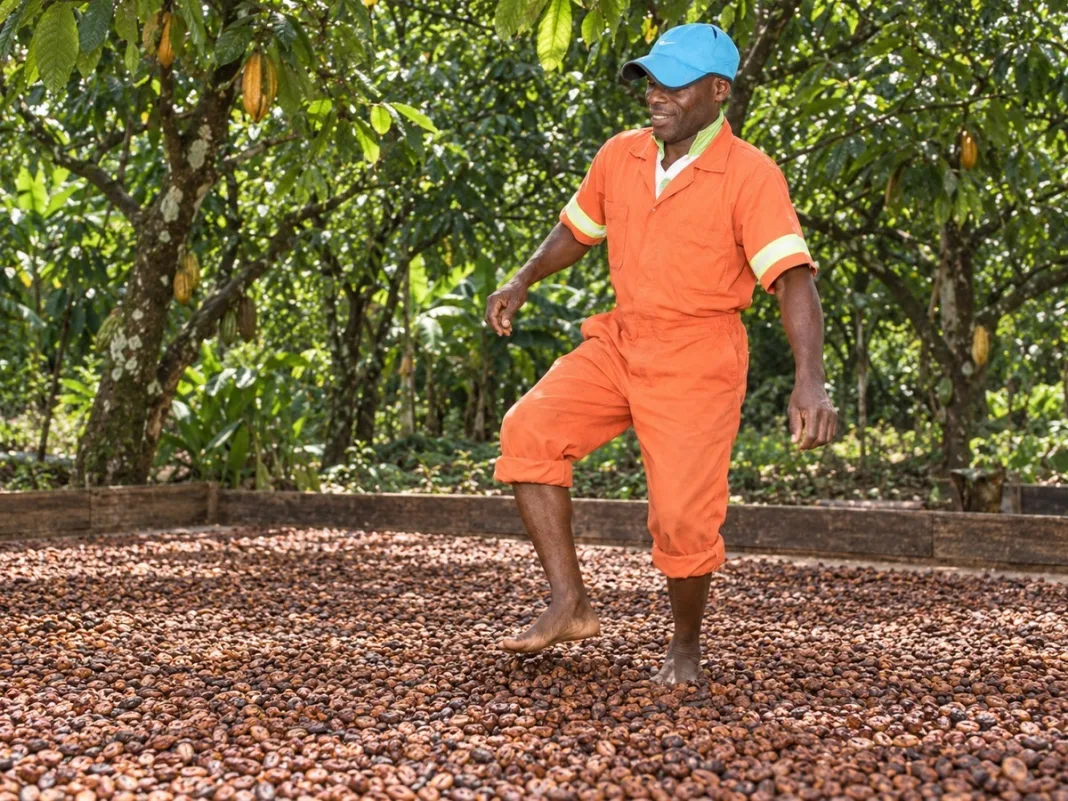
Long before Trinidad and Tobago became known for artisan chocolate bars and premium fine-flavour cocoa, some farming communities used a striking technique to prepare dried cocoa beans for market: they danced on them. The practice, commonly remembered as “dancing the cocoa,” involved people moving their feet through piles of dried beans so that the beans rubbed against one another and developed a smoother, polished appearance. Historical accounts describe the work as both an agricultural task and a social activity, sometimes accompanied by singing. One vivid account survives through Trinidadian physician and medical researcher Dr Theodosius Poon-King, who was born in the rural community of Biche in 1928. His parents, Reginald and Ena Poon-King, operated a small shop there that also functioned as a cocoa store, buying beans from farmers on surrounding estates. Poon-King later recalled that the cocoa was spread in the sun to dry before villagers arrived in the evenings to dance on the beans. He remembered oil being applied as part of the polishing process, which helped give the beans a shine intended to improve their appearance and price. The workers also sang lavways while they danced, connecting cocoa processing with an older Trinidadian tradition of improvised folk song. The family’s operation reflected the role played by small rural merchants in Trinidad’s cocoa economy. Poon-King recalled that approximately every two weeks his father hired a truck to transport their collected cocoa to Port of Spain for sale. The memory offers a glimpse of the network linking small estates, country shops and the capital during an era when cocoa was an important part of rural life. Dancing cocoa was not limited to Biche. Accounts from other Trinidad and Tobago communities describe similar methods in which dried beans were moved and polished underfoot. The tradition has survived in cultural demonstrations, including heritage activities where participants learn how cocoa was processed before today’s mechanised and specialised methods became common. For modern audiences, the unusual sight of people dancing across cocoa beans can appear ceremonial, but it served a practical purpose. The movement polished the beans while turning agricultural work into a communal activity involving rhythm, conversation and music. Poon-King’s memories are especially valuable because his life later moved far beyond the cocoa store in Biche. He won a Trinidad Open Scholarship, studied medicine in Dublin and became a prominent medical researcher. Yet his recollections preserved a small piece of Trinidad’s agricultural history: a time when preparing cocoa for market could literally involve an evening of dancing.