The key points are temporarily unavailable. You can still read the full Story below.
Main Points
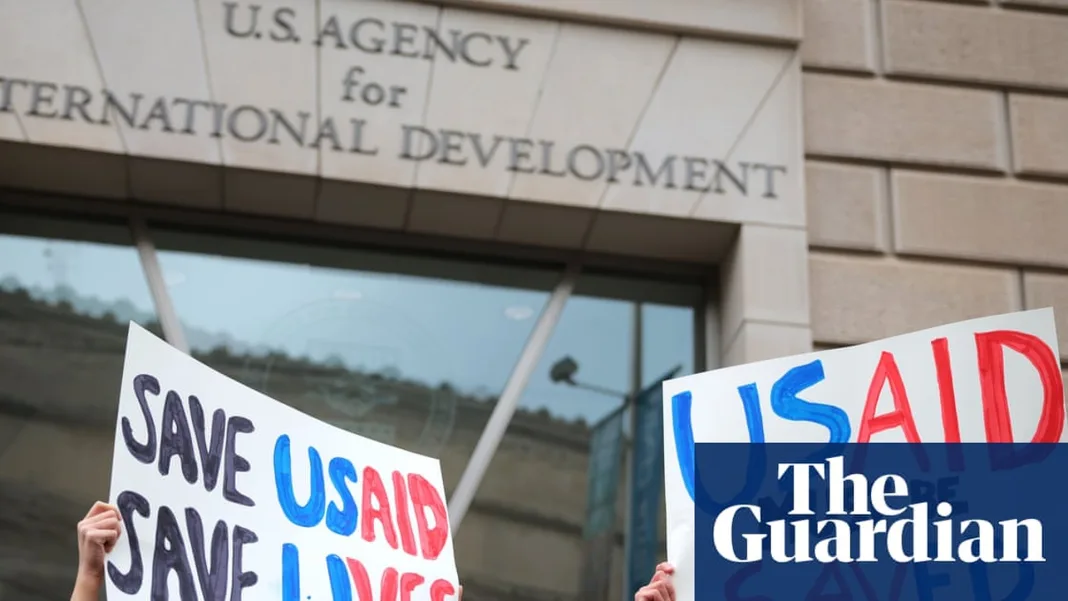
A new report titled A Sovereign Future For Health warns that healthcare systems across Africa and the Global South are under significant strain following the withdrawal of key United States aid programs. The report, published by the Accra Reset initiative, highlights the impact of funding cuts implemented by the Trump administration, including the dissolution of the US Agency for International Development (USAID).
The Accra Reset, led by Ghanaian President John Dramani Mahama, advocates for countries in the Global South to assume greater control over their own health development to reduce reliance on Western aid. According to the report, external health financing in Africa contracted by nearly 70 percent between 2021 and 2025. The document notes that Africa currently produces less than 1 percent of its vaccines despite carrying approximately 25 percent of the global disease burden.
Specific examples of the impact of these funding shifts include Nigeria having to absorb 28,000 health workers previously employed by USAID at a cost of $200 million. Additionally, the withdrawal of funding from the US Emergency Plan for Aids Relief (Pepfar) in South Africa resulted in the closure of HIV clinics, affecting 1.4 million people. President Mahama stated that Ghana lost $78 million following the closure of USAID programs, which impacted maternal healthcare, malaria treatment, and nutrition services.
Naveen Rao, senior vice-president of the health initiative at the Rockefeller Foundation, stated that the Accra Reset is not an argument for donors to do less, but rather an argument for changing how aid is delivered. The report emphasizes that donor dependency has proven unsustainable in the face of global economic pressures and shifting political priorities.
Despite the policy changes, recent polling commissioned by the Rockefeller Foundation suggests that 75 percent of Americans support restoring disease prevention aid for viruses such as Ebola. The survey of over 2,000 adults also indicated that 65 percent of respondents support international cooperation even if it requires compromising some national interests.
Article and image source: theguardian.com